Schedule Your Appointment Online
Clinical Excellence
Evidence-based care through innovation, advanced technology, and qualified professionals, ensuring exceptional patient outcomes
Excellent Patient Care
Compassionate, personalized, holistic approach leading to superior patient care
Transparent and Ethical
Upholding honesty and integrity in all interactions, ensuring trust through clear communication and ethical practices
Modern Infrastructure
Equipped with state-of-the-art facilities and cutting-edge technology to support superior patient care and innovative treatments
Why Choose Sterling
Why Choose
Sterling?
Choose Sterling Hospitals, Gujarat's first NABH-accredited private hospital with over 20 years of excellence in patient care. Our 6 hospitals across the state offer comprehensive, tailored healthcare, touching lakhs of lives annually. Conveniently located and managed by compassionate professionals, Sterling Hospitals ensures accessible, top-tier care for every patient.
Our Specialities
Our
Specialities
From routine check-ups to specialized treatments, our dedicated team of healthcare professionals offers personalized care to meet all your needs on your journey to wellness.
Our Hospitals
Our
Hospitals
Checkout Sterling Hospitals near you to give a quick visit and get your checkup done by our best professionals






World-Class Care,Beyond Borders
We provide seamless and personalized care for patients from around the world, with end-to-end support at every step of your journey.
Enquire Now
Transforming Lives with Expert Care
Watch inspiring recovery stories from our patients and explore our comprehensive healthcare services
Patient Success Stories
Real recovery journeys from our patients

Expert Pancreatitis Care at Sterling Hospitals
Hareshbhai's health improved under the expert care of Dr. Darshan and the team at Sterling Hospitals.
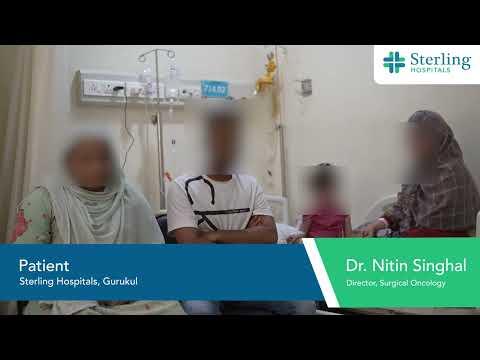
Advanced Paediatric Oncology Care at Sterling Hospitals
Sterling Hospitals delivered advanced paediatric oncology care, preserving a young girl's liver with precision surgery

Treatment of Advanced Lung Cancer Complication at Sterling Hospitals, Rajkot
A life-saving Thoracoscopic Decortication successfully treated a lung cancer
Health Blogs
Health Blogs
Explore Further: Checkout and Dive into more Blogs and keep yourself updated

Breast health is often a difficult topic to discuss owing to the social stigma associated with it. That’s why many women tend to brush off warning signs such as a lump, dimpled skin or nipple discharge. While many of these may be harmless, some can be associated with breast cancer, underscoring the importance of open conversations around breast health.
Breast Cancer Awareness Month is observed every October to drive awareness and encourage discussions on breast health, breast cancer risk factors and early signs. In line with the observation, this article explores the importance of breast cancer awareness month along with early signs of breast cancer, practical ways to take charge of breast health and support those affected by breast cancer.
Significance Of Breast Cancer Awareness Month
Breast Cancer Awareness Month began in 1985 as a week-long campaign co-created by the American Cancer Society and the pharmaceutical division of Imperial Chemical Industries. Its initial focus was educating women about breast cancer screening and the importance of mammograms. Over time, the campaign expanded from a US-based initiative into an international observance held every October, commonly recognised through the pink ribbon and Pink October campaigns.
Today, Breast Cancer Awareness Month represents more than a single month of awareness activities. It provides an opportunity to encourage early detection, improve understanding of breast cancer risk and symptoms, promote access to screening and care, and support people living with the disease. The World Health Organization also uses October to highlight early detection, timely diagnosis, comprehensive treatment and support for people affected by breast cancer. The month therefore serves as an important reminder that awareness should translate into conversations, informed decisions and appropriate healthcare.
Why Having Conversations Around Breast Health Matter
Starting a conversation may seem like a small step, but it can make it easier to ask questions, share concerns and seek appropriate medical advice. Some of the reasons these conversations matter include:
- Breaking Stigma: Discussing breast health openly can make the subject feel less embarrassing or taboo. This can help women feel more comfortable raising concerns instead of keeping them to themselves.
- Improving Awareness: Conversations can help women understand breast cancer risk factors, recognise changes in their breasts and learn about available screening options.
- Encouraging Action: Knowing that a change should be discussed with a healthcare professional can make it easier to move from noticing a concern to seeking advice.
- Sharing Family History: Talking about breast cancer within the family can help relatives understand whether they may have a relevant family history and whether they should discuss their risk with a doctor.
- Supporting Others: Open conversations are also important after a diagnosis. They can help someone with breast cancer communicate their needs and receive practical and emotional support.
Recognising Breast Cancer: Signs That Should Not Be Ignored
Breast cancer does not always cause noticeable symptoms in its early stages. When changes do occur, they can also have causes unrelated to cancer. However, a new or unexplained change should be assessed rather than assumed to be harmless. Some early signs of breast cancer that warrant medical attention include:
- A New Lump: A new lump or thickening in the breast or underarm should be checked, particularly if it persists. Most breast lumps are not cancerous, but only an appropriate medical assessment can determine the cause.
- Skin Changes: Dimpling, puckering, redness, swelling or changes in the texture of the breast skin can sometimes be associated with breast cancer.
- Nipple Changes: A nipple that becomes inverted, changes position or develops an unusual appearance may require assessment.
- Nipple Discharge: Unexpected discharge, particularly bloody or clear discharge, should be discussed with a healthcare professional.
- Size Or Shape Change: A noticeable change in the size, shape or appearance of one breast can be a reason to seek medical advice.
- Persistent Pain: Ongoing pain in the breast or armpit should not be ignored, especially when it is accompanied by another change.
Having one of these symptoms does not mean that a person has breast cancer. Many breast changes are caused by benign conditions. The important step is to have a new or persistent change evaluated rather than trying to diagnose it at home.
Breast Cancer Self-Examination: A Simple Monthly Habit
Breast self-examination can help women become familiar with how their breasts normally look and feel. It should be viewed as a way of building breast awareness rather than as a replacement for professional examination or recommended screening. A simple monthly routine can include:
- Look In The Mirror: Stand with your arms relaxed by your sides and look for changes in breast size, shape, skin appearance or nipple position. Repeat with your arms raised and then with your hands on your hips.
- Feel The Breast: Using the pads of your fingers, gently feel the breast in a systematic pattern. Check the entire breast rather than focusing only on one area.
- Check The Underarm: Extend the check towards the underarm area, where breast tissue and lymph nodes are located.
- Notice Changes: Pay attention to a new lump, thickening, hardened area, skin change, nipple change or unusual discharge.
- Keep It Regular: If you menstruate, choosing a consistent point in your cycle can make it easier to notice what is normal for you. If you no longer menstruate, choose the same day each month.
Breast Cancer Screening
Breast cancer screening is different from checking for symptoms. Screening is intended to identify breast cancer in people who do not have noticeable symptoms, while someone with a breast change may require diagnostic evaluation. Screening tests include:
MammographyA mammogram uses low-dose X-rays to examine breast tissue and can identify changes that may be too small to feel. It is an important breast cancer screening tool, but the age at which screening should begin and how often it should be performed can vary according to individual risk and local recommendations.
Women should therefore discuss their screening schedule with a healthcare professional rather than assuming that the same schedule applies to everyone.
Clinical ExaminationA clinical breast examination involves a trained healthcare professional examining the breasts and surrounding areas for changes. In India, government screening guidance includes clinical breast examination as part of population-level breast cancer screening, with further evaluation recommended when an abnormality is found.
A clinical examination may also be appropriate when someone has a breast concern, even if they are not due for routine screening.
Further EvaluationAn abnormal screening result does not automatically mean breast cancer. Depending on what is found, a doctor may recommend additional imaging such as an ultrasound, further mammography or a tissue biopsy.
The purpose of these investigations is to understand the nature of the finding and determine whether further treatment is required.
How To Start A Conversation About Breast Health
Starting the conversation is often the hardest part. You do not need to use medical terminology or know exactly what a symptom means. You can begin with a simple statement such as:
- With A Doctor: “I have noticed a change in my breast and would like to have it checked.”
- About Screening: “I want to understand whether I should have breast cancer screening based on my age and risk.”
- About Family History: “Breast cancer runs in my family. Should I discuss my risk with a specialist?”
- With A Friend: “I have been thinking about breast health and wanted to ask if you know when we should start screening.”
- With A Family Member: “There is a history of breast cancer in our family. Do you know which relatives have had it and at what age?”
The goal is not to diagnose yourself or someone else. It is simply to make breast health easier to discuss and to create an opportunity to seek reliable medical advice.
Supporting Someone Diagnosed With Breast Cancer
A breast cancer diagnosis can affect much more than a person's physical health. Family members and friends can offer meaningful support by focusing on what the person actually needs. Some practical ways to help include:
- Listen First: Give them space to talk without immediately offering advice or trying to reassure them.
- Respect Their Choices: Treatment decisions are personal. Offer support without pressuring them to follow a particular approach.
- Offer Practical Help: Help with meals, transport, appointments, household responsibilities or other everyday tasks when appropriate.
- Stay Connected: Continue checking in after the initial diagnosis. Support is often needed throughout treatment and beyond.
- Ask What Helps: Instead of assuming what someone needs, ask how you can support them.
- Avoid Unsolicited Advice: Be cautious about recommending treatments, diets or stories found online. Encourage conversations with their healthcare team for medical decisions.
Book A Breast Health Check-Up At Sterling Hospitals
If you have noticed a new or unusual breast change, or want to discuss your breast cancer risk and screening needs, speaking with a qualified healthcare professional can help you understand the next appropriate step. Sterling Hospitals offers breast cancer screening, including mammography, along with specialist-led evaluation and diagnostic services. You can consult a gynaecologist at Sterling Hospitals for a breast health check-up and personalised guidance based on your age, medical history and risk factors.

Over the last decade, while there has been a notable increase in the number of people waking up to the importance of heart health - ironically, so has the number of people being diagnosed with cardiovascular disorders. Blame it on sedentary lifestyles, poor dietary choices or increasing stress, the fact remains the same that heart diseases have emerged as one of the biggest health challenges in almost all parts of the world. That said, many cardiovascular problems can be prevented or better managed through awareness, regular check-ups, and healthy lifestyle choices. That is exactly why World Heart Day was established, encouraging people to recognise the early signs of heart disease, understand risk factors, and take proactive steps towards better heart health. In this article, we will cover all about World Heart Day, including its history, significance, and how awareness can lead to better heart health.
World Heart Day History
World Heart Day was established in 2000 by the World Heart Federation in collaboration with the World Health Organization to create global awareness about cardiovascular diseases and the steps needed to prevent them. The day is observed every year on September 29, bringing together individuals, healthcare organisations, and communities from all over the world to focus on heart health and encourage preventive action.
The initiative was created to address the growing burden of heart disease and highlight the importance of understanding risk factors, recognising warning signs, and adopting healthier habits. Over the years, World Heart Day has become a global platform for spreading awareness about cardiovascular health and encouraging efforts towards prevention and early care.
The Significance of World Heart Day
World Heart Day is significant because it shifts the focus from treating heart disease to preventing it. It reminds people that heart health is influenced by everyday choices and that recognising risk factors early can make a meaningful difference.
Beyond raising individual awareness, the campaign also encourages healthcare organisations, educational institutions, workplaces, and communities to take part in activities that promote heart health and preventive care.
This collective effort helps more people understand the importance of regular health check-ups, healthier lifestyle choices, and seeking medical advice before heart problems become serious.
2026 World Heart Day Theme
The World Heart Federation has continued its "Don't Miss a Beat" campaign for World Heart Day 2026, reinforcing the message that heart disease can often go unnoticed until it causes serious complications. The campaign encourages people to recognise the signs and symptoms of cardiovascular disease, understand the risk factors that affect heart health, and seek critical care when needed.
The 2026 campaign is built around three key messages:
- See the Signs: Many heart conditions do not cause obvious symptoms in their early stages. Recognising warning signs and knowing when to seek medical advice can lead to earlier diagnosis and better treatment outcomes.
- Protect Your Heart: Most cardiovascular diseases are linked to risk factors that can be prevented or managed. Small, consistent lifestyle changes, such as eating a balanced diet, staying physically active, avoiding tobacco, and managing blood pressure, can make a meaningful difference over time.
- Demand Action: The campaign also calls on governments and healthcare systems to strengthen efforts towards heart disease prevention, early diagnosis, and access to quality cardiovascular care so that more people can receive timely treatment.
Why Heart Health Should Be a Priority for Everyone
Heart disease is often associated with older adults, but it can affect people of all ages. Factors such as high blood pressure, diabetes, obesity, smoking, chronic stress, physical inactivity, poor sleep, and a family history of heart disease can all increase the risk over time. Some of these risks develop gradually and may not cause noticeable symptoms until the condition has already progressed.
The good news is that many of these risk factors can be identified and managed through regular health check-ups and healthier lifestyle choices. Paying attention to heart health is not only important for people with an existing heart condition. It is equally important for anyone who wants to reduce their long-term risk and maintain overall health.
Who is at High Risk of Developing Heart Disease?
It is important to understand that heart disease can affect anyone. However, certain health conditions, lifestyle factors, and family history can significantly increase the risk. Some of the most common risk factors include:
- Old Age: The risk of heart disease generally increases with age, although younger adults can also be affected.
- High Blood Pressure: Uncontrolled blood pressure puts extra strain on the heart and blood vessels, increasing the risk of heart attack, stroke, and other cardiovascular conditions.
- High Cholesterol: Excess cholesterol can build up inside the arteries, restricting blood flow to the heart.
- Diabetes: Persistently high blood sugar can damage blood vessels and increase the likelihood of developing cardiovascular disease.
- Smoking and Tobacco Use: Smoking damages blood vessels, raises blood pressure, and reduces the amount of oxygen carried in the blood.
- Overweight Or Obesity: Excess body weight places additional strain on the heart and is often linked to other risk factors such as diabetes and high blood pressure.
- Physical Inactivity: A sedentary lifestyle increases the risk of obesity, high blood pressure, and poor heart health.
- Unhealthy Diet: Diets high in saturated fats, trans fats, salt, and added sugars can contribute to cardiovascular disease.
- Chronic Stress: Long-term stress may contribute to unhealthy habits and conditions that increase the risk of heart disease.
- Family History: Having a close family member with heart disease, especially at a younger age, may increase an individual's risk.
Early Warning Signs of Heart Problems You Should Never Ignore
Heart problems do not always begin with severe chest pain or a medical emergency. In many cases, the body shows subtle warning signs that are easy to overlook or mistake for less serious conditions. Recognising these symptoms early and seeking prompt medical attention can lead to earlier diagnosis and treatment. Some of the warning signs to watch out for include:
- Chest Pain or Discomfort: A feeling of pressure, tightness, heaviness, or pain in the chest that may occur during activity or even at rest.
- Shortness of Breath: Difficulty breathing during routine activities or while lying down can sometimes indicate an underlying heart problem.
- Pain That Spreads: Pain or discomfort that radiates to the arm, shoulder, neck, jaw, or back may be a sign of a heart attack.
- Unusual Fatigue: Persistent or unexplained tiredness, especially when it interferes with daily activities, should not be ignored.
- Irregular Heartbeat: A racing, pounding, fluttering, or irregular heartbeat that occurs frequently or is accompanied by dizziness requires medical evaluation.
- Dizziness or Fainting: Feeling lightheaded, dizzy, or experiencing fainting episodes may indicate reduced blood flow to the brain due to a heart condition.
- Swelling in the Legs or Feet: Swelling in the ankles, feet, or legs can occur when the heart is not pumping blood efficiently.
- Cold Sweats or Nausea: Sudden cold sweats, nausea, or vomiting, especially when accompanied by chest discomfort or shortness of breath, may signal a heart attack and require immediate medical attention.
Heart Health Screening Tests You Should Consider
Regular heart health screening can help identify risk factors before they lead to serious cardiovascular problems. Some of the commonly recommended cardiology screening tests include:
Blood Pressure CheckA blood pressure check helps detect hypertension, one of the leading risk factors for heart disease. Since high blood pressure often has no noticeable symptoms, regular monitoring is essential.
Lipid ProfileA lipid profile measures cholesterol and triglyceride levels in the blood. It helps assess the risk of plaque build-up in the arteries and the likelihood of developing cardiovascular disease.
Blood Sugar TestsTests such as fasting blood sugar and HbA1c help identify diabetes or prediabetes. Keeping blood sugar under control is important, as diabetes significantly increases the risk of heart disease.
Electrocardiogram (ECG)An ECG records the electrical activity of the heart. It helps detect irregular heart rhythms, signs of a previous heart attack, and other abnormalities that may require further evaluation.
EchocardiogramAn echocardiogram uses ultrasound to create detailed images of the heart. It allows doctors to assess the heart's structure, valve function, and pumping efficiency.
Stress TestAlso known as an exercise stress test or treadmill test, this evaluates how the heart performs during physical activity. It can help identify reduced blood flow to the heart or other exercise-related cardiac concerns.
Cardiac CT ScanIn some individuals, a cardiac CT scan or coronary calcium score may be recommended to detect calcium deposits in the coronary arteries and estimate the risk of future heart disease.
Cardiac Risk AssessmentIn addition to these tests, doctors evaluate factors such as age, family history, blood pressure, cholesterol levels, diabetes, smoking, and lifestyle to understand an individual's overall cardiovascular risk and recommend appropriate preventive measures.
Everyday Habits That Support a Healthy Heart
Good heart health is built through small, consistent choices made every day. Some simple habits to adopt include:
- Eat a Balanced Diet: Include plenty of fruits, vegetables, whole grains, lean proteins, and healthy fats in your meals. Limit foods high in salt, added sugar, and unhealthy fats.
- Stay Physically Active: Aim for at least 150 minutes of moderate-intensity exercise each week or as advised by your doctor. Regular activity helps improve heart function and overall fitness.
- Maintain a Healthy Weight: A healthy weight reduces the strain on the heart and lowers the risk of conditions such as high blood pressure, diabetes, and high cholesterol.
- Quit Smoking: Smoking damages blood vessels and significantly increases the risk of heart disease. Quitting at any age can improve heart health.
- Manage Stress: Chronic stress can affect heart health over time. Finding healthy ways to cope, such as relaxation techniques, exercise, or hobbies, can be beneficial.
- Get Adequate Sleep: Aim for 7 to 9 hours of quality sleep each night, as poor sleep is linked to several cardiovascular risk factors.
- Limit Alcohol Consumption: If you drink alcohol, do so in moderation, as excessive intake can increase the risk of heart-related problems.
- Schedule Regular Health Check-ups: Routine screenings for blood pressure, cholesterol, and blood sugar can help detect potential problems early.
Take Charge of Your Heart Health This World Heart Day
World Heart Day is a reminder that heart health deserves attention long before symptoms appear. One way to do that is by making small, consistent choices that support a healthy heart over time, so the risk of cardiovascular disease can be reduced. However, if there are concerns about cardiovascular health or symptoms, it is best to consult a cardiologist at Sterling Hospitals. They can carry out a timely evaluation, recommend preventive measures where appropriate, and suggest the right treatment if needed.
Alzheimer's is a progressive brain condition that affects memory, thinking and the ability to carry out everyday tasks. It often starts small, with a forgotten name or a misplaced object, before gradually becoming more noticeable over time. The reassuring part is that when it's caught early, there are more treatment options available, along with more time to plan ahead while you're still able to make those decisions yourself. That's precisely what World Alzheimer's Day, observed every year on 21 September, stands for, bringing greater awareness to the condition helping people recognise the early signs.
In this article, we’ll take a closer look at what Alzheimer’s really is, the early symptoms to look out for, and how the condition can be managed with the right care and support. But before that, let’s understand the significance of World Alzheimer's Day.
Significance of World Alzheimer’s Day
World Alzheimer’s Day is observed every year on 21 September to raise awareness about Alzheimer’s disease and other forms of dementia. The day helps bring attention to the early signs of the condition, the challenges faced by people living with Alzheimer’s and the needs of their families and caregivers.
It also encourages people to look beyond the common idea that Alzheimer’s is simply about forgetting things. By improving understanding of the condition, the day can help reduce stigma and encourage people to take changes in memory, thinking or behaviour seriously and seek medical advice when needed.
Some of the key reasons the day is significant include:
- Raising Awareness: Helping more people understand Alzheimer’s, its symptoms and how it can affect everyday life.
- Encouraging Early Recognition: Highlighting changes that may warrant a medical assessment so that people can seek support sooner.
- Reducing Stigma: Creating more open conversations around dementia and helping people feel less isolated.
- Supporting Families: Drawing attention to the experiences and needs of caregivers and family members.
- Promoting Research: Keeping the need for continued research into diagnosis, treatment and care in the public eye.
- Improving Understanding: Encouraging communities to respond to people living with Alzheimer’s with greater patience, empathy and support.
World Alzheimer’s Day Theme 2026
The theme for World Alzheimer’s Month 2026 is “The Earlier You Know, The More You Can Do: A Dementia Diagnosis Matters.” The campaign is led by Alzheimer’s Disease International (ADI) and focuses on the importance of early diagnosis. It aims to address the persistent lack of awareness, stigma and discrimination surrounding dementia, while highlighting how receiving a diagnosis can help people access treatment, care and support.
What is Alzheimer’s Disease?
Alzheimer's disease is a neurodegenerative condition, which basically means it causes brain cells to break down and die over time. This gradual loss of brain cells is what leads to the memory loss, confusion and behavioural changes that most people associate with the disease. It's also the most common cause of dementia, accounting for a majority of all dementia cases worldwide.
What makes Alzheimer's tricky is that its signs aren’t obvious at first. The changes happening in the brain can begin years, sometimes even decades, before symptoms become noticeable. By the time memory problems start interfering with daily life, the disease has usually already progressed into middle or later stages.
What Causes Alzheimer’s?
There isn't one single cause of Alzheimer's disease. Researchers believe it develops through a combination of genetic, lifestyle and environmental factors that build up over a person's lifetime, though age remains the strongest risk factor by far.
Some of the known risk factors include:
- Age: The risk increases significantly after the age of 65, and it roughly doubles every five years beyond that.
- Family history and genetics: Having a parent or sibling with Alzheimer's raises your own risk, and certain genes are known to increase susceptibility.
- Cardiovascular health: Conditions like high blood pressure, high cholesterol and diabetes are all linked to a higher risk of developing Alzheimer's.
- Head injuries: A history of serious head trauma, particularly repeated injuries, has been associated with a greater likelihood of cognitive decline later in life.
- Lifestyle factors: Physical inactivity, poor diet, smoking and excessive alcohol consumption have all been connected to higher risk.
- Social and mental engagement: Limited social interaction and a lack of mental stimulation over the years may also contribute to cognitive decline.
It's worth remembering that having one or more of these risk factors doesn't guarantee someone will develop Alzheimer's, and plenty of people with none of them still do. It's a complex interplay, not a straightforward cause and effect.
The Early Signs You Shouldn’t Ignore
Alzheimer’s does not necessarily begin with severe memory loss. In many cases, the first changes can be subtle enough to look like ordinary forgetfulness.
What matters is whether the changes are becoming more frequent, worsening over time or beginning to interfere with everyday life. Memory problems are typically among the first signs, but there are several other changes worth noticing.
Here are some of the early alzheimer's disease symptoms to be aware of:
- Persistent Forgetfulness: Frequently forgetting recently learned information, conversations or important events may be more concerning than occasionally forgetting something and remembering it later.
- Repeated Questions: Asking the same question repeatedly, even after receiving an answer, can be an early sign of memory difficulties.
- Struggling With Familiar Tasks: Struggling to complete familiar activities, such as cooking a usual recipe, managing household bills or using a familiar appliance, may indicate a change in cognitive function.
- Word-Finding Problems: Someone may increasingly struggle to find the right word, follow a conversation or name familiar objects.
- Misplacing Things: Frequently putting everyday items in unusual places and being unable to retrace their steps can be another warning sign.
- Confusion About Time: Becoming regularly confused about dates, seasons, places or how much time has passed may warrant attention.
- Poor Judgement: Noticeable changes in decision-making, particularly around money, safety or personal care, can sometimes occur.
- Social Withdrawal: A person who once enjoyed social activities may begin avoiding conversations or gatherings because they find them difficult or overwhelming.
- Mood Changes: Increased anxiety, irritability, confusion or changes in personality can sometimes accompany cognitive changes.
Having one of these symptoms does not automatically mean someone has Alzheimer’s. Memory and thinking can be affected by many other factors, including certain medications, depression, sleep problems, vitamin deficiencies and other health conditions. A healthcare professional can help identify the possible cause.
Is it Just Normal Aging or Alzheimer’s?
This is probably one of the most common questions families have, and honestly, it's a fair one. Some memory slips are a completely normal part of getting older, while others point to something more serious. Here's a quick way to tell the difference:
<table><thead><tr><th>Normal Ageing</th><th>Possible making that happens repeatedly</td></tr><tr><td>Losing track of the day of the week and figuring it out later</td><td>Losing track of dates, seasons or the passage of time altogether</td></tr><tr><td>Sometimes forgetting a word during conversation</td><td>Struggling to follow or join a conversation, repeating oneself often</td></tr><tr><td>Misplacing items occasionally but retracing steps to find them</td><td>Putting things in odd places and being unable to retrace steps at all</td></tr></tbody></table>
If the changes you're noticing sound more like the second column, and especially if they're becoming more frequent, it's best not to dismiss them as just "getting older." A proper evaluation can rule out other treatable conditions or confirm what's actually going on.
How is Alzheimer’s Managed
There's currently no cure for Alzheimer's, but that doesn't mean nothing can be done. A combination of medical treatment, lifestyle changes and consistent support can help manage symptoms and maintain quality of life for much longer than most people expect.
Medical Treatment- Medications: Certain drugs can help manage symptoms like memory loss and confusion for a period of time, even though they don't stop the disease from progressing.
- Newer Targeted Treatments: Some recently approved treatments work by targeting specific proteins in the brain associated with Alzheimer's, and have shown promise in slowing decline when started early.
- Managing Other Health Conditions: Keeping blood pressure, blood sugar and cholesterol under control can help support overall brain health alongside Alzheimer's-specific treatment.
- Cognitive Therapies: Structured mental exercises and memory training can help patients retain certain cognitive functions for longer.
- Physical Activity: Regular movement, even something as simple as a daily walk, has been shown to support brain health and mood.
- Diet and Nutrition: A balanced diet rich in fruits, vegetables and healthy fats is generally recommended to support overall brain function.
- Routine and Structure: Keeping a predictable daily schedule can reduce confusion and anxiety for people living with the condition.
- Social Engagement: Staying connected with family and friends, even in small ways, can help slow the sense of isolation that often comes with the disease.
The earlier these interventions begin, the more effective they tend to be, which is really the whole point of catching Alzheimer's in its early stages.
Caring For Someone With Alzheimer’s
Caring for a loved one with Alzheimer's is rarely easy, but a few things can help:
- Educate Yourself About the Disease: Understanding what to expect at each stage can make day to day caregiving feel far less overwhelming.
- Establish a Consistent Routine: Predictability helps reduce confusion and agitation for the person you're caring for.
- Simplify Communication: Use short, clear sentences, maintain eye contact and be patient if they need extra time to respond.
- Ensure Safety at Home: Remove tripping hazards, label important items and consider safety locks where needed, especially as the disease progresses.
- Encourage Independence Where Possible: Let them do what they still can on their own, even if it takes longer, as this helps preserve dignity and confidence.
- Keep Important Documents in Order: Legal and financial paperwork, such as power of attorney, is easier to sort out early rather than later in the disease's progression.
- Take Care of Yourself Too: Caregiver burnout is real and common, so don't hesitate to ask for help, take breaks or seek support groups when things get heavy.
Caregiving is a long journey, and it helps to remember that you don't have to, and shouldn't have to, do it entirely alone.
Marking World Alzheimer's Day with a Simple Message: Don't Wait to Get Checked
World Alzheimer's Day exists to remind us of one simple thing, early detection makes a real difference to how the disease is managed. If you or a loved one has been experiencing persistent changes in memory, thinking or behaviour, consider booking a consultation with a neurologist at Sterling Hospitals. A specialist can assess the symptoms, help identify their possible cause and guide you towards appropriate Alzheimer disease treatment and care.

Sleep is essential for maintaining both physical and mental health, as it is during sleep that the body gets a chance to rest and repair itself. For people with sleep disorders, getting a good night’s sleep can be a challenge. They may struggle to fall or stay asleep, or notice unusual changes in their sleep patterns and behaviour. These disruptions are what define a sleep disorder, and they can show up in different ways. Continue reading to learn about the most common sleep disorders, their symptoms, possible causes, and the treatments that may help.
1. Insomnia
Insomnia is a sleep disorder that can make it difficult to fall asleep, stay asleep, or get back to sleep after waking during the night. Some people may also wake up earlier than they want and struggle to fall asleep again. Over time, this can leave you feeling tired, unrefreshed, and less able to function normally during the day.
Common SymptomsInsomnia can affect both your nights and your days. Common symptoms include:
- Trouble Falling Asleep: Taking a long time to fall asleep, even when you're tired.
- Frequent Waking: Waking up several times during the night and struggling to return to sleep.
- Early Waking: Waking earlier than planned and being unable to fall asleep again.
- Daytime Tiredness: Feeling exhausted, sleepy, or lacking energy during the day.
- Poor Concentration: Finding it harder to focus, remember things, or make decisions.
- Mood Changes: Feeling more irritable, anxious, or emotionally drained than usual.
- Sleep Worry: Spending a lot of time worrying about whether you'll be able to sleep.
Treatment for insomnia depends on how long you've been experiencing it and what's contributing to the problem. Common approaches include:
- Good Sleep Habits: Keeping a regular sleep and wake schedule and creating a comfortable, relaxing bedtime routine.
- CBT-I: Cognitive behavioural therapy for insomnia can help change thoughts and behaviours that may be making sleep more difficult.
- Lifestyle Changes: Reducing caffeine, limiting alcohol, staying physically active, and managing screen use around bedtime may help improve sleep.
- Treating any Underlying Condition: Treating pain, anxiety, depression, or another health problem contributing to insomnia may improve sleep.
- Medications: A healthcare professional may recommend sleep medication in certain situations, usually based on the individual's symptoms and needs.
2. Sleep Apnoea
Sleep apnoea is a sleep disorder in which a person's breathing repeatedly stops or becomes restricted while they are asleep. These interruptions can happen many times throughout the night, sometimes without the person fully realising it. As a result, sleep can become fragmented, leaving them tired even after spending enough time in bed.
Common SymptomsSleep apnoea can be difficult to notice in yourself because many of its symptoms happen while you're asleep. Common signs include:
- Loud Snoring: Frequent, loud snoring that may be noticed by a partner or family member.
- Breathing Pauses: Periods when breathing appears to stop during sleep.
- Gasping: Waking up suddenly while choking, gasping, or struggling to breathe.
- Dry Mouth: Waking up with a dry or uncomfortable mouth.
- Morning Headaches: Experiencing headaches after waking, particularly in the morning.
- Daytime Sleepiness: Feeling unusually tired or struggling to stay awake during the day.
- Poor Concentration: Finding it harder to focus, remember things, or stay mentally alert.
- Mood Changes: Becoming more irritable, frustrated, or emotionally drained.
Treatment for sleep apnoea depends on its type and severity, as well as the factors contributing to it. Common treatment approaches include:
- CPAP Therapy: A continuous positive airway pressure (CPAP) machine uses gentle air pressure to help keep the airway open during sleep.
- Oral Appliances: Specially designed dental devices can help keep the airway open in some people with obstructive sleep apnoea.
- Lifestyle Changes: Maintaining a healthy weight, exercising regularly, limiting alcohol, and avoiding smoking may help improve symptoms in some cases.
- Sleeping Position: Changing your sleeping position, such as avoiding sleeping on your back, may help reduce airway obstruction for some people.
- Surgery: In certain cases, surgery may be considered to address physical blockages or structural problems affecting the airway.
- Treating Underlying Conditions: Treating health conditions that contribute to sleep apnoea may also form part of the overall treatment plan.
3. Narcolepsy
Narcolepsy is a sleep disorder that can make it difficult to stay awake during the day, even after getting enough sleep at night. A person may suddenly feel an overwhelming need to sleep and, in some cases, fall asleep for short periods without meaning to. These episodes can happen during everyday activities such as working, studying, talking, or even eating.
Common SymptomsNarcolepsy can affect both daytime alertness and the transition between being awake and asleep. Common symptoms include:
- Excessive Sleepiness: Feeling extremely sleepy during the day, even after what seems like a full night's sleep.
- Sudden Sleep Episodes: Falling asleep unexpectedly during the day and struggling to stay awake.
- Muscle Weakness: Experiencing sudden muscle weakness, known as cataplexy, often triggered by strong emotions such as laughter or surprise.
- Sleep Paralysis: Being temporarily unable to move or speak while falling asleep or waking up.
- Vivid Experiences: Having unusually vivid dreams or dream-like experiences when falling asleep or waking up.
- Interrupted Sleep: Waking up frequently throughout the night despite experiencing significant sleepiness during the day.
There is currently no cure for narcolepsy, but treatment can help manage the symptoms and make it easier to stay awake and maintain a regular sleep routine. Common approaches include:
- Taking Scheduled Naps: Taking short, planned naps during the day may help reduce excessive daytime sleepiness.
- Consistent Sleep Routine: Following a consistent sleep and wake schedule can help support more regular sleep.
- Stimulant Medicines: Certain medicines may be prescribed to improve daytime alertness and reduce excessive sleepiness.
- Other Medicines: Depending on the symptoms, a healthcare professional may prescribe medicines to manage cataplexy and other symptoms.
- Lifestyle Changes: Regular exercise, a balanced diet, and avoiding activities that become unsafe when you're very sleepy can help with day-to-day management.
4. Restless Legs Syndrome
Restless legs syndrome (RLS) is a condition that causes an uncomfortable urge to move the legs, particularly when you're resting or trying to sleep. The sensations can make it difficult to relax and may keep you awake or repeatedly disturb your sleep. Moving the legs often provides temporary relief, but the discomfort may return once you stop.
Common SymptomsRLS can have different symptoms from person to person, but some of the common signs include:
- Strong Urge to Move Legs: Feeling a persistent need to move your legs, especially when sitting or lying down.
- Uncomfortable Sensations: Experiencing tingling, crawling, pulling, throbbing, or aching sensations in the legs.
- Night-Time Discomfort: Noticing that the symptoms tend to become stronger in the evening or at night.
- Temporary Relief: Finding that walking, stretching, or moving your legs eases the discomfort for a while.
- Sleep Problems: Struggling to fall asleep or waking during the night because of the urge to move.
- Daytime Tiredness: Feeling tired or sleepy during the day after having your sleep disrupted.
Treatment depends on how often the symptoms occur and whether another condition or factor may be contributing to them. Common approaches include:
- Lifestyle Changes: Maintaining a regular sleep schedule, exercising regularly, and limiting caffeine and alcohol may help ease symptoms.
- Stretching: Gentle leg stretches, massage, or walking before bedtime may provide relief for some people.
- Iron Treatment: If low iron levels are contributing to RLS, a healthcare professional may recommend iron supplements or other treatment.
- Medications: Medicines may be prescribed when symptoms are frequent, severe, or continue despite other measures.
- Treating Underlying Causes: Treating an underlying health condition or reviewing medicines that may be contributing to RLS can sometimes help reduce symptoms.
5. Parasomnias
Parasomnias are sleep-related behaviours or experiences that happen while a person is falling asleep, sleeping, or waking up. They can include unusual movements, actions, dreams, or sensations that may happen without the person being fully aware of them.
Common SymptomsParasomnias can look different depending on the type, but common signs include:
- Sleepwalking: Getting out of bed and walking around while still asleep, often with little or no memory of it afterwards.
- Night Terrors: Suddenly sitting up, crying out, or appearing frightened during sleep without being fully awake.
- Sleep Talking: Speaking, mumbling, or making sounds while asleep.
- Nightmares: Having upsetting or frightening dreams that may cause you to wake up feeling distressed.
- Sleep Paralysis: Being temporarily unable to move or speak when falling asleep or waking up.
- Unusual Movements: Kicking, punching, sitting up, or making other movements during sleep.
- Confusion: Waking up confused or behaving unusually for a short period before becoming fully alert.
Treatment depends on the type of parasomnia, how often it happens, and whether anything else may be triggering it. Common approaches include:
- Consistent Sleep Routine: Following a consistent sleep schedule and getting enough sleep may help reduce episodes.
- Stress Management: Managing stress and creating a relaxing bedtime routine can be helpful when stress contributes to episodes.
- Safe Environment: Removing sharp objects, securing windows and doors, and keeping the sleeping area clear can help prevent injuries.
- Trigger Control: Avoiding sleep deprivation, alcohol, or other known triggers may reduce episodes in some people.
- Treating Underlying Conditions: Treating another sleep disorder or health condition that may be contributing to the parasomnia can sometimes improve symptoms.
- Medication: In some cases, a healthcare professional may recommend medication depending on the type and severity of the parasomnia.
6. Hypersomnia
Hypersomnia is a sleep disorder that causes excessive sleepiness during the day, even when a person gets what seems like enough sleep at night. Someone with hypersomnia may sleep for long periods, struggle to wake up, or still feel unusually tired and unrefreshed after sleeping.
Common SymptomsHypersomnia can affect both sleep and daytime activities. Common symptoms include:
- Daytime Sleepiness: Feeling extremely sleepy during the day, even after a full night's sleep.
- Long Sleep: Sleeping for unusually long periods and still feeling tired afterwards.
- Difficult Waking: Finding it very difficult to wake up or become fully alert after sleeping.
- Unplanned Naps: Falling asleep during the day, sometimes during work, study, or other activities.
- Brain Fog: Struggling to concentrate, think clearly, or remember things.
- Low Energy: Feeling drained or lacking energy throughout the day.
- Mood Changes: Becoming more irritable, frustrated, or low because of ongoing tiredness.
Treatment depends on what is causing the excessive sleepiness and how it affects your daily life. Common approaches include:
- Consistent Sleep Routine: Following a consistent sleep and wake schedule can help support healthier sleep patterns.
- Lifestyle Changes: Regular physical activity, a balanced routine, and avoiding alcohol or other factors that worsen sleepiness may help.
- Treating Underlying Conditions: Treating another health condition or sleep disorder contributing to excessive sleepiness may improve symptoms.
- Sleep Evaluation: A healthcare professional may recommend sleep tests to better understand the cause of excessive daytime sleepiness.
- Medicines: Certain medicines may be prescribed to improve daytime alertness when appropriate.
Common Causes of Sleep Disorders
Sleep disorders can develop for many different reasons, and sometimes more than one factor may be involved. Common causes and contributing factors include:
- Stress and Anxiety: Ongoing stress, anxiety, or emotional distress can make it harder to fall asleep, stay asleep, or maintain a regular sleep pattern.
- Poor Sleep Habits: Irregular bedtimes, excessive screen use at night, or an uncomfortable sleep environment can interfere with healthy sleep.
- Health Conditions: Conditions such as chronic pain, breathing problems, depression, or other health issues can affect sleep.
- Medications: Some prescription or over-the-counter medicines may interfere with sleep or cause excessive daytime sleepiness.
- Substance Use: Caffeine, alcohol, nicotine, and other substances can affect sleep quality and timing.
- Lifestyle Factors: Shift work, frequent travel, lack of physical activity, or an inconsistent daily routine can disrupt normal sleep patterns.
- Ageing: Sleep patterns can change with age, including changes in sleep duration, timing, and how often a person wakes during the night.
- Genetics: Some sleep disorders can run in families, making certain people more likely to develop them.
- Sleep Environment: Noise, light, temperature, or an uncomfortable bed can make it harder to get restful sleep.
How Sleep Disorders affect Daily Life
Sleep disorders can affect more than just your nights. When sleep is regularly disrupted, it can also influence how you feel, think, and function throughout the day. Some common effects include:
- Low Energy: Feeling tired, drained, or lacking energy during the day, even after spending enough time in bed.
- Poor Focus: Finding it harder to concentrate, remember information, make decisions, or stay mentally alert.
- Mood Changes: Becoming more irritable, frustrated, anxious, or emotionally overwhelmed.
- Work and Study: Reduced focus and daytime sleepiness can make it harder to keep up with work, studies, or everyday responsibilities.
- Daily Activities: Feeling too tired or distracted to enjoy hobbies, social activities, exercise, or other things you normally do.
- Relationships: Ongoing tiredness and mood changes may affect patience, communication, and interactions with family, friends, or partners.
- Safety Risks: Excessive daytime sleepiness can increase the risk of accidents, particularly while driving or operating machinery.
- Overall Well-Being: Persistent sleep problems can affect your physical health, mental well-being, and overall quality of life.
Get Help for any Sleep Disorder at Sterling Hospitals
You don't have to keep adjusting your routine around poor sleep or accept feeling tired all the time as normal. If your sleep has been consistently affecting how you feel and function during the day, it may be time to get it checked. Book a consultation with a general physician at Sterling Hospitals to discuss your sleep concerns and find the right care.

Finding out you're pregnant comes with a rush of excitement, along with hopes and plans for the little one you're about to bring into the world. More than anything, you just want the pregnancy to go smoothly for both you and your baby. But sometimes, things don't go quite as expected. There are certain health conditions or complications that can impact the health of the mother or baby, in which case the pregnancy may be classified as high risk. Whether you're seeing concerning signs, or have already been diagnosed as having a high-risk pregnancy, understanding what it means can help.
What Can Make a Pregnancy High Risk?
A pregnancy may be considered high risk when certain factors increase the chances of health complications for the mother, baby or both. Some of these factors may be present before pregnancy, while others can develop as the pregnancy progresses. These include:
Existing Health ConditionsCertain medical conditions present before pregnancy can affect the health of the mother or baby during pregnancy. These may include diabetes, high blood pressure, heart disease, kidney disease, thyroid disorders, autoimmune conditions and certain blood disorders.
Such conditions may require closer monitoring throughout pregnancy. Medicines may also need to be reviewed or adjusted to ensure that the underlying condition remains controlled while keeping pregnancy safety in mind.
Pregnancy ComplicationsSome complications develop only after pregnancy begins and may increase the need for monitoring. These can include gestational diabetes, high blood pressure, pre-eclampsia, problems involving the placenta, abnormal amounts of amniotic fluid and concerns about the baby's growth or development.
Some of these conditions may not cause noticeable symptoms in the early stages, making routine antenatal check-ups particularly important.
Complications in Previous PregnancyA previous pregnancy does not necessarily determine how a future pregnancy will progress. However, a history of certain complications can influence the level of monitoring recommended during a subsequent pregnancy.
Previous preterm birth, pregnancy loss, stillbirth, pre-eclampsia, gestational diabetes or other significant complications may prompt an obstetrician to assess the current pregnancy more closely.
Multiple PregnancyPregnancies involving twins, triplets or more babies generally require closer monitoring than singleton pregnancies. Multiple pregnancies have a greater likelihood of complications such as premature birth and differences in fetal growth.
Additional scans and more frequent appointments may therefore be recommended to monitor the health and development of both the mother and babies.
AgeAge is one of the several factors considered when assessing pregnancy risk. Pregnancy during adolescence and pregnancy at an advanced maternal age can be associated with certain increased risks.
However, age alone does not determine whether a pregnancy will be high risk. Overall health, medical history and the progress of the pregnancy are also taken into account.
Weight and LifestyleA higher body weight before or during pregnancy can increase the likelihood of conditions such as gestational diabetes, high blood pressure and pre-eclampsia. Smoking, alcohol consumption and recreational drug use can also affect pregnancy and fetal health.
Medical advice can help address these factors safely during pregnancy. Sudden dietary changes, restrictive diets or changes to prescribed treatment should not be undertaken without professional guidance.
InfectionsCertain infections can affect pregnancy depending on the type of infection, when it occurs and whether treatment is provided. Some may increase the risk of complications for the mother or baby and may require additional tests, treatment or monitoring.
Routine screening and antenatal care can help identify some infections early, including those that may not initially cause noticeable symptoms.
MedicinesSome medicines are not recommended during pregnancy, while others may require dose adjustments or additional monitoring. Certain supplements and substances can also affect pregnancy.
Medication use should therefore be discussed with an obstetrician, including prescription medicines, over-the-counter products and supplements. Prescribed treatment should not be stopped or changed without medical advice.
Screening FindingsA pregnancy may also be considered higher risk following a finding during an ultrasound or prenatal screening test. This may relate to fetal growth, development, the placenta, amniotic fluid or another aspect of the pregnancy.
An unusual screening result does not automatically mean that a problem is present. Additional testing may be recommended to understand the finding more clearly and determine whether further monitoring is needed.
Symptoms of a High-Risk Pregnancy
A high-risk pregnancy does not always have noticeable symptoms. However, certain symptoms during pregnancy can indicate a possible complication and should be assessed by a healthcare professional. Some of the important high-risk pregnancy symptoms you should watch out for include:
- Vaginal Bleeding: Bleeding during pregnancy can have different causes. Heavy bleeding, particularly when accompanied by pain or other symptoms, requires prompt medical assessment.
- Severe Abdominal Pain: Persistent or intense abdominal or pelvic pain may indicate a complication and should not be ignored.
- Severe Headache: A severe or persistent headache, particularly later in pregnancy, can be associated with high blood pressure or pre-eclampsia.
- Vision Changes: Blurred vision, flashing lights or other sudden changes in eyesight can occur with conditions such as pre-eclampsia and require medical attention.
- Sudden Swelling: Mild swelling can occur during pregnancy, particularly in the feet and ankles. Sudden or marked swelling of the face, hands or feet can be more concerning, especially when accompanied by headache or vision changes.
- Reduced Baby Movement: Once regular fetal movements have been established, a noticeable reduction or change in movement should be reported to the maternity care team.
- Fluid Leakage: Fluid leaking from the vagina may indicate that the amniotic sac has ruptured and should be evaluated.
- Breathing Difficulty: Mild breathlessness can be common during pregnancy, but sudden or severe difficulty breathing can indicate a serious problem and requires urgent attention.
- High Fever: A high temperature during pregnancy may indicate an infection and should be assessed, particularly when accompanied by other symptoms.
- Severe Vomiting: Persistent or severe vomiting can lead to dehydration and may require medical treatment.
How is a High-Risk Pregnancy Managed?
There is no single treatment plan for every high-risk pregnancy. Management depends on the reason for the increased risk, the mother's health, the baby's wellbeing and how the pregnancy progresses.
Common approaches to managing a high-risk pregnancy include:
MonitoringMore frequent antenatal appointments may be recommended to monitor the mother's health and identify changes early. Blood pressure, weight, symptoms and other relevant health indicators may be assessed during these visits.
The frequency of appointments varies according to individual risk. Some pregnancies may need only occasional additional monitoring, while others may require more frequent follow-up.
Additional TestingAdditional blood tests, urine tests, blood pressure checks, blood sugar monitoring or other investigations may be recommended depending on the underlying risk factor.
These tests allow the healthcare team to monitor existing conditions and identify potential pregnancy complications as early as possible.
Ultrasound ScansAdditional ultrasound scans may be used to monitor fetal growth, development, the placenta, amniotic fluid and other aspects of pregnancy.
The timing and frequency of scans depend on the individual circumstances and the specific concern being monitored.
Fetal MonitoringDepending on the stage of pregnancy and the associated risk, fetal monitoring may be used to assess the baby's wellbeing. This can include monitoring the baby's heart rate, movements and growth.
The type of monitoring recommended will depend on the pregnancy and the reason for increased risk.
Medicines and TreatmentCertain high-risk conditions can be managed with medicines, dietary changes, monitoring or other treatments. For example, blood pressure or blood sugar may need to be controlled during pregnancy to reduce the risk of complications.
Treatment is tailored to the specific condition and stage of pregnancy. Medicines should always be taken according to medical advice, with any changes discussed with the treating doctor.
When Should You See A Doctor?
Medical advice should be sought promptly in the following situations:
- Heavy Bleeding: Heavy vaginal bleeding or bleeding accompanied by severe pain requires urgent assessment.
- Severe Pain: Severe or persistent abdominal pain should be evaluated, particularly when it occurs suddenly or is accompanied by bleeding.
- Severe Headache: A severe headache that does not improve, especially when accompanied by swelling or vision changes, can require urgent assessment.
- Vision Changes: Sudden blurred vision, flashing lights or other significant changes in vision should be reported immediately.
- Reduced Movements: A noticeable reduction or change in the baby's usual movements warrants prompt contact with the maternity care team.
- Fluid Leakage: Suspected leakage of amniotic fluid should be assessed by a healthcare professional.
- Breathing Problems: Sudden difficulty breathing, particularly with chest pain, fainting or severe dizziness, requires immediate medical attention.
- High Fever: A high temperature or fever accompanied by chills, weakness or other signs of infection should be medically assessed.
- Feeling Seriously Unwell: A sudden or significant change in general health should not be ignored, even when the cause is unclear.
For women already receiving care for a high-risk pregnancy, the obstetrician may provide specific instructions about symptoms that require a call, hospital visit or emergency treatment
Consult an Obstetrician at Sterling Hospitals
A high-risk pregnancy can bring many questions, but the right medical support can make the journey easier to navigate. Obstetricians at Sterling Hospitals can assess individual risk factors, monitor the health of the mother and baby, and recommend appropriate investigations, treatment and follow-up when needed. For expert guidance during pregnancy or specialised care for a high-risk pregnancy, consult an obstetrician at Sterling Hospitals and discuss the best care approach for a healthy pregnancy and delivery.
The gut is home to trillions of bacteria that break down nutrients, aid digestion, and support the immune system. When any food disrupts this balance, it often shows up as bloating, irregular bowel movements, or a feeling of heaviness after eating. Foods that trigger this reaction should be eaten in moderation, or avoided altogether. On the bright side, certain foods support your gut's health, feeding the bacteria that keep digestion running smoothly with far fewer side effects. So whether you're looking for foods that are genuinely easy on your gut, or just want a heads up on what to avoid, we've compiled both in this article.
Foods That Support Gut Health
1. YoghurtYoghurt containing live cultures is a simple way to add beneficial bacteria to your diet. It also provides protein and calcium, making it an easy addition to breakfast or a snack. Choose plain yoghurt or varieties with little added sugar for the most straightforward option.
2. OatsOats are rich in soluble fibre, particularly beta-glucan, which supports the beneficial bacteria living in your gut. They can also help support regular bowel movements, making them a useful everyday choice for digestive health.
3. BananasBananas provide fibre and resistant starch, particularly when they are slightly underripe. These compounds can reach the large intestine and provide nourishment for certain beneficial gut bacteria. They're also an easy fruit to add to breakfast, smoothies or snacks.
4. ApplesApples are a good source of pectin, a type of soluble fibre that gut bacteria can ferment. Eating them with the skin also gives you more fibre, making a whole apple a simple way to support your daily intake.
5. BerriesBerries such as strawberries, blueberries and raspberries provide fibre along with a range of plant compounds. Including different fruits in your diet also helps increase the variety of plant foods your gut microbiome is exposed to.
6. LentilsLentils are packed with dietary fibre and provide plant-based protein, making them particularly useful for a gut-friendly diet. Their fibre helps support the beneficial bacteria in the large intestine and can contribute to healthy bowel function.
7. Whole GrainsWhole grains such as brown rice, whole wheat and barley contain more fibre than refined grains. Including a variety of whole grains in your meals gives your gut bacteria different types of fibre to work with.
8. VegetablesVegetables are one of the easiest ways to increase both fibre and plant diversity in your diet. Leafy greens, carrots, pumpkin, sweet potatoes, green beans and other vegetables can all contribute to a healthier, more varied diet.
9. Nuts And SeedsNuts and seeds such as almonds, walnuts, chia seeds and flaxseeds provide fibre alongside healthy fats and other nutrients. Chia and flaxseeds are particularly easy to add to porridge, yoghurt or smoothies.
10. Fermented FoodsFermented foods such as kefir, kimchi, sauerkraut and traditional fermented vegetables can contain live microorganisms that contribute to the diversity of the gut microbiome. They also add variety to an otherwise routine diet.
11. Garlic And OnionsGarlic and onions contain prebiotic compounds that can help nourish certain beneficial bacteria in the gut. They're also incredibly easy to incorporate into everyday cooking, from curries and soups to stir-fries and salads.
While these foods can support gut health as part of a balanced diet, everyone's digestive system is different. If a particular food consistently causes bloating, gas or other discomfort, it may simply not agree with you. Paying attention to these patterns can help you build a diet that supports both your gut health and your overall wellbeing.
Foods to Limit or Avoid
Supporting your gut isn't about completely banning certain foods. Most people can enjoy a wide range of foods as part of a balanced diet. The bigger concern is when foods that are low in fibre or highly processed make up a large proportion of your everyday meals. Some foods that may be worth limiting include:
Highly-Processed FoodsPackaged snacks, sugary cereals, ready-to-eat meals and other highly processed foods can be convenient, but they may provide less fibre and fewer whole-food nutrients than minimally processed alternatives.
Food With Added SugarsFrequent consumption of foods and drinks high in added sugar can make it harder to maintain an overall balanced diet. Soft drinks, sweets, desserts and many packaged snacks can contribute significant amounts without providing much fibre.
Food With Refined CarbohydratesWhite bread, many pastries and other products made primarily from refined grains contain less fibre than whole-grain alternatives. If these foods dominate your diet, swapping some of them for whole grains can increase your overall fibre intake.
Fried FoodsFried foods are often high in fat and can feel heavy or uncomfortable for some people, particularly when eaten in large portions. If you regularly experience digestive discomfort after fried meals, reducing how often you eat them may help.
You can still enjoy foods such as fried snacks occasionally without needing to label them as completely off-limits.
Processed MeatsBacon, sausages, salami and other processed meats are best eaten in moderation. A diet that relies heavily on processed meat can also displace fibre-rich foods such as vegetables, legumes and whole grains.
Where possible, vary your protein sources and include more plant-based options throughout the week.
A food causing symptoms doesn't automatically mean it's "bad for your gut". It may simply not agree with you in a particular quantity or form. If you repeatedly notice symptoms after eating a specific food, consider discussing it with a healthcare professional rather than unnecessarily removing large groups of foods from your diet.
Tips to Improve Gut Health
Food is only one part of supporting your digestive health. Your eating habits and overall lifestyle also matter, particularly when you're trying to make changes that you can maintain over time. Here are some practical habits worth adopting:
- Increase fibre gradually: Suddenly doubling your fibre intake can cause gas and bloating. Increase it slowly and give your digestive system time to adjust.
- Eat more variety: Instead of eating the same few fruits and vegetables every day, rotate your choices. Different plants provide different types of fibre and compounds for your gut microbes.
- Drink enough water: Fibre works alongside adequate fluid intake. If you're increasing fibre without drinking enough, you may end up feeling more constipated.
- Eat at a comfortable pace: Eating too quickly can mean swallowing more air and may contribute to bloating or discomfort. Give yourself enough time to chew your food properly.
- Keep meals balanced: Pair fibre-rich carbohydrates with protein, healthy fats and vegetables instead of relying heavily on one food group.
- Pay attention to patterns: If a particular food repeatedly causes discomfort, note what you ate, how much you had and when your symptoms appeared. This can make patterns easier to identify.
- Stay physically active: Regular movement supports normal bowel function and can be a useful part of maintaining digestive health.
- Avoid unnecessary restriction: Removing multiple food groups without a clear reason can make your diet less varied and potentially leave you short of important nutrients.
Consult a Dietitian at Sterling Hospitals
Making a few changes to your diet can be a good starting point for better gut health, but it isn't always enough to figure out what's behind ongoing digestive discomfort. If you've tried adjusting what you eat and still don't feel right, getting personalised advice can help you understand what your body actually needs. Consult a doctor or registered dietitian at Sterling Hospitals. They can look at your symptoms, eating habits and overall health to identify potential triggers and suggest dietary changes that are appropriate for you. This can be especially helpful if you're unsure whether a food intolerance, digestive condition or another factor is contributing to the problem.

Not feeling like eating for a day or two is usually not a cause for concern, as it can happen due to stress, fatigue, a minor illness, changes in routine or temporary digestive discomfort. In most cases, appetite returns to normal on its own. But if you find yourself eating less than usual for more than a few days, it could be a sign of something more.
So, what can cause a loss of appetite, and when should you be concerned?
To answer these questions, in this article, we’ll look at the common reasons your appetite may decrease and when it's time to consult a doctor.
Common Causes of Loss of Appetite
Several physical, psychological and lifestyle-related factors can affect appetite. Common causes include:
Stress and AnxietyStress and anxiety can temporarily suppress appetite. During periods of emotional distress, changes in the body's stress response may affect hunger signals and digestion. Appetite often improves when the source of stress is addressed.
InfectionsInfections such as influenza, respiratory infections and other short-term illnesses can reduce appetite. Fever, fatigue, nausea, sore throat, and changes in taste or smell may also make food less appealing.
Digestive ProblemsDigestive conditions can make eating uncomfortable and reduce the desire for food. Common examples include:
- Indigestion: Discomfort, bloating or a feeling of fullness can reduce food intake.
- Acid Reflux: Heartburn and nausea may make meals less appealing.
- Constipation: Abdominal discomfort and fullness can affect appetite.
- Nausea: The feeling of being sick can make eating difficult.
- Gastrointestinal Conditions: Conditions affecting the stomach or intestines may cause persistent appetite changes.
Certain medicines can affect appetite or cause side effects that make eating difficult. These may include nausea, dry mouth, constipation or changes in taste. Medication-related appetite changes should be discussed with a doctor before any prescribed treatment is stopped or changed.
Mental Health ConditionsMental health conditions can significantly influence eating patterns. Appetite loss may occur with:
- Depression: Reduced interest in food can occur alongside low mood and reduced energy.
- Anxiety: Persistent worry can interfere with hunger and digestion.
- Eating Disorders: Conditions involving food and body image can lead to significant changes in eating habits.
- Emotional Distress: Grief, relationship difficulties and other major life events may temporarily affect appetite.
Hormonal imbalances can influence appetite, metabolism and digestion. Conditions affecting the thyroid and other endocrine disorders may be associated with appetite changes, along with alterations in weight, energy levels or mood.
Chronic ConditionsSeveral long-term health conditions can affect appetite, either directly or through associated symptoms. These include:
- Kidney Disease: Waste build-up and associated nausea can reduce appetite.
- Liver Disease: Changes in digestion and metabolism may affect food intake.
- Heart Conditions: Fatigue, breathlessness and digestive symptoms may contribute to reduced appetite.
- Diabetes: Changes in blood glucose levels and related symptoms can affect eating patterns.
- Cancer: The disease itself, treatment-related side effects and metabolic changes can contribute to appetite loss.
Hormonal changes during pregnancy, particularly in the first trimester, can affect appetite. Nausea and vomiting may also make certain foods difficult to tolerate and can reduce overall food intake.
Dental ProblemsDental pain, gum disease, oral infections, poorly fitting dentures and difficulty chewing can make eating uncomfortable. These problems may lead to reduced food intake, particularly when chewing certain foods becomes difficult.
AgeingAppetite may decrease with age due to several factors, including:
- Taste Changes: Reduced sensitivity to taste and smell can make food less appealing.
- Dental Issues: Tooth loss, gum problems or dentures may affect chewing.
- Reduced Activity: Lower physical activity can decrease energy requirements and hunger.
- Medications: Multiple medicines may contribute to appetite changes.
- Health Conditions: Chronic illnesses can affect appetite directly or through associated symptoms.
Excessive alcohol consumption and certain forms of substance use can interfere with appetite and eating patterns. Prolonged use may also contribute to nutritional deficiencies and other health complications.
Treatment Options
Loss of appetite treatment depends on the underlying cause. A doctor may recommend one or more approaches after assessing the symptoms and identifying any contributing condition. Common treatment approaches include:
Treating The CauseManaging the underlying condition is usually the main focus of treatment. This may involve treating an infection, managing a digestive disorder, correcting a hormonal imbalance or addressing another medical condition contributing to appetite loss.
Reviewing MedicationsWhen medication is suspected to be affecting appetite, the treatment plan may be reviewed. Depending on the medicine and the condition being treated, a doctor may adjust the dose, change the timing or consider an alternative medication.
Managing Mental HealthWhen depression, anxiety, stress or another mental health condition contributes to appetite loss, treatment may include psychological support, counselling, medication or a combination of approaches. Addressing the underlying concern can help improve eating patterns over time.
Improving NutritionNutritional strategies can help maintain adequate calorie and nutrient intake while appetite remains low. Common approaches include:
- Small Meals: Several smaller meals may be easier to manage than large portions.
- Nutrient-Dense Foods: Foods rich in protein, healthy fats, vitamins and minerals can provide more nutrition in smaller portions.
- Regular Timing: Eating at consistent times can help maintain a routine even when hunger signals are reduced.
- Healthy Snacks: Nutrient-rich snacks can supplement meals when overall food intake is low.
Treating symptoms that interfere with eating may help restore appetite. Depending on the cause, management may focus on nausea, constipation, acid reflux, pain or other digestive symptoms.
Nutritional SupportSignificant or prolonged appetite loss may increase the risk of malnutrition. A doctor or dietitian may recommend nutritional supplements or other forms of nutritional support when regular food intake is not sufficient.
When to See a Doctor
Medical advice is recommended when appetite loss is persistent, unexplained or associated with other concerning changes. A consultation is particularly important in the following situations:
- Persistent Appetite Loss: Reduced appetite continues without improvement.
- Unexplained Weight Loss: Weight decreases without intentional changes to diet or exercise.
- Ongoing Symptoms: Nausea, vomiting, abdominal pain, fever or digestive problems continue.
- Poor Food Intake: Eating becomes consistently difficult or inadequate.
- Dehydration: Fluid intake is insufficient or signs of dehydration appear.
- Severe Fatigue: Persistent tiredness, weakness or dizziness develops.
- Chronic Illness: Appetite changes occur alongside an existing medical condition.
- Sudden Changes: A decreased appetite without an obvious cause.
- Nutritional Concerns: There are signs or concerns about malnutrition or nutritional deficiencies.
Consult a Doctor at Sterling Hospitals
Loss of appetite can sometimes be temporary, but when it persists or becomes difficult to manage, medical advice can help determine what may be causing the change. A doctor can assess the symptoms, help identify the underlying cause and recommend an appropriate approach based on the findings. Consult a general physician at Sterling Hospitals for timely medical guidance and the right next steps.
Rabies is a life-threatening infectious disease, spread through the bite or scratch of an infected animal. However, unlike many other fatal infections, there is a chance to prevent rabies from developing if prompt medical care is sought after such an incident. To help raise awareness about rabies prevention and the importance of acting quickly, World Rabies Day is observed every year on 28 September.
The article covers all you need to know about World Rabies Day, including its significance, the early symptoms of rabies, and what to do after an animal bite.
History and Significance of World Rabies Day
World Rabies Day was first observed on 28 September 2007, following an initiative by the Global Alliance for Rabies Control and its partners. The date was selected to commemorate the death anniversary of Louis Pasteur, the French scientist whose research played a major role in developing the first rabies vaccine. Since its launch, the day has become an annual global observance dedicated to keeping rabies on the public health agenda.
The day draws attention to the wider challenges surrounding rabies, including gaps in access to vaccines, limited public knowledge and the continued burden of dog-mediated rabies in many parts of the world. It also brings together communities, healthcare professionals, veterinarians and policymakers around the shared goal of ending human deaths from rabies.
Theme for World Rabies Day 2026
“Stronger Together” is the theme for World Rabies Day 2026. The theme highlights the importance of collaboration in the fight against rabies, bringing together communities, healthcare professionals, veterinarians, governments and other stakeholders. It emphasises that sustained progress towards rabies elimination depends on stronger coordination across human and animal health systems, as well as collective efforts to improve prevention and access to life-saving care.
What is Rabies and How Does it Spread?
Rabies is a viral infection that affects the central nervous system and is mainly transmitted through the saliva of an infected animal. It most commonly spreads when an infected animal bites or scratches a person, allowing the virus to enter the body through broken skin. Dogs are responsible for the majority of human rabies cases worldwide, although other mammals, including bats and wild animals, can also transmit the virus. The risk depends on the type of contact and the animal involved, which is why any possible exposure should be assessed by a healthcare professional rather than dismissed as a minor injury.
What are the Early Symptoms of Rabies?
Early symptoms can be mild at first and may appear similar to those of other illnesses. Common early symptoms include:
- Fever: A rise in body temperature, often accompanied by feeling unwell.
- Headache: Persistent or unusual headaches may occur.
- Weakness: General tiredness, weakness or a feeling of being unwell.
- Pain: Pain or discomfort may develop around the site of the bite or scratch.
- Tingling: Burning, itching or tingling sensations around the affected area can be an early sign.
- Nausea: Some people may experience nausea or reduced appetite.
As rabies progresses, neurological symptoms such as confusion, agitation, difficulty swallowing and abnormal behaviour can develop.
What are the Late Symptoms Of Rabies?
Once rabies reaches the nervous system, the symptoms become more severe and can progress rapidly. The later symptoms vary depending on the form of rabies, but may include:
- Severe Confusion: The person may become disoriented, have difficulty thinking clearly, or struggle to recognise familiar people and surroundings.
- Agitation: Restlessness, anxiety, irritability and sudden changes in behaviour can occur as the infection affects the brain.
- Hallucinations: Some people may see, hear or feel things that are not actually present.
- Difficulty Swallowing: Painful spasms in the throat can make swallowing difficult. These spasms may also make drinking extremely difficult.
- Hydrophobia: Often called a fear of water, this occurs because attempts to swallow liquids can trigger severe and painful throat spasms.
- Excessive Salivation: Difficulty swallowing saliva can lead to drooling and increased saliva around the mouth.
- Aerophobia: Air movement across the face, such as from a fan or breeze, may trigger painful muscle spasms in some people.
- Muscle Weakness: Weakness can gradually spread through the body and may eventually develop into paralysis.
- Breathing Difficulties: As paralysis progresses, the muscles involved in breathing may become affected, making it increasingly difficult to breathe.
- Loss Of Consciousness: In the final stages, the person may lose consciousness as the infection causes severe damage to the brain and nervous system, eventually leading to death.
Why is Immediate Care Important After an Animal Bite?
An animal bite should not be ignored simply because the wound looks small or does not hurt much. If the animal could have rabies, getting medical care quickly can help prevent the infection from developing. The key reasons immediate care matters include:
- Prevents Infection: Washing the wound thoroughly with soap and running water as soon as possible helps remove the virus from the exposed area and also reduces the risk of other wound infections.
- Allows Risk Assessment: A healthcare professional can assess the type of exposure, the animal involved and whether rabies treatment is needed.
- Enables Timely PEP: If there is a risk of rabies, post-exposure prophylaxis (PEP), which may include rabies vaccines and, for certain exposures, rabies immunoglobulin, can prevent the virus from progressing.
- Symptoms May Come Later: Rabies can have a variable incubation period, so a person may feel completely well immediately after a bite. Waiting for symptoms before seeking care can be dangerous.
- Prevents Fatal Disease: Once clinical symptoms of rabies develop, the disease is almost always fatal. Prompt medical attention after exposure is therefore critical, even when the injury appears minor.
What Should You Do Immediately After a Dog or Animal Bite?
If you are bitten, scratched or otherwise exposed to the saliva of an animal that could carry rabies, do not wait for symptoms to appear. Taking the following steps as soon as possible can significantly reduce the risk of infection:
- Wash The Wound: Immediately wash the bite or scratch thoroughly with soap and plenty of running water for around 15 minutes. This helps remove the virus from the wound and reduces the risk of other infections.
- Apply An Antiseptic: After washing, apply an iodine-containing antiseptic or another suitable antiseptic to the affected area, if available.
- Seek Medical Care: Visit a healthcare professional or rabies treatment centre as soon as possible, even if the wound appears minor or there is little or no bleeding.
- Get PEP If Needed: A healthcare professional will assess the exposure and determine whether you need post-exposure prophylaxis (PEP), which may include rabies vaccines and, for certain serious exposures, rabies immunoglobulin.
- Follow The Vaccination Schedule: If rabies vaccination is recommended, complete the prescribed course according to the schedule given by your healthcare professional.
Why is Vaccinating Dogs Important for Rabies Elimination?
Dogs play a major role in the spread of rabies to humans, which makes dog vaccination one of the most effective ways to control transmission. Vaccinating dogs protects them from infection and reduces the chance of the virus spreading between animals and people. Some of the key reasons dog vaccination is important include:
- Breaks Transmission: When enough dogs in a community are vaccinated, the virus has fewer opportunities to spread from one animal to another and eventually reach people.
- Protects Communities: Vaccinated dogs create a layer of protection for people, particularly children and others who may come into frequent contact with animals.
- Reduces Human Cases: Preventing rabies in dogs directly lowers the risk of people being exposed to an infected animal.
- Protects Stray Dogs: Vaccination programmes also help protect free-roaming and community dogs, which may otherwise have limited access to veterinary care.
- Supports Elimination: Widespread dog vaccination is a key part of global efforts to eliminate human deaths from dog-mediated rabies.
What Can You Do on World Rabies Day 2026?
World Rabies Day is an opportunity to turn awareness into simple actions that can help protect both people and animals. On 28 September, you can take part in the fight against rabies in several ways:
- Vaccinate Your Dog: Make sure your pet's rabies vaccination is up to date and encourage other pet owners to do the same.
- Learn First Aid: Know how to properly wash a bite or scratch and why seeking medical care promptly after a possible exposure is important.
- Share Reliable Information: Help family, friends and children learn how rabies spreads, how bites can be prevented and what to do after an exposure.
- Support Vaccination Drives: Take part in or support local campaigns that vaccinate dogs, particularly free-roaming and community dogs.
- Teach Children: Help children understand how to behave safely around unfamiliar animals and encourage them to tell an adult immediately if they are bitten or scratched.
- Join Awareness Events: Participate in World Rabies Day talks, school programmes, community events or other local initiatives taking place around 28 September.
- Promote Responsible Ownership: Encourage practices such as regular vaccination, safe handling and appropriate care of pets to reduce the risk of rabies transmission.
Get Rabies Vaccination and Emergency Care at Sterling Hospitals
World Rabies Day serves as an important reminder that timely action can make a crucial difference after a possible rabies exposure. If you or a loved one has been bitten or scratched by a dog or another animal, seeking medical attention promptly is important, even if the wound appears minor. Visit the nearest Sterling Hospital for prompt medical assessment and emergency care services. The hospital's emergency team can assess the exposure, guide you on the next steps and provide rabies vaccination if required.

Lymphoma, a type of blood cancer, can be difficult to recognise because its early signs, such as painless swollen lymph nodes, unexplained fatigue, or fever can easily be mistaken for an infection or other common conditions. This can lead to a delay in diagnosis, highlighting the importance of awareness.
World Lymphoma Awareness Day, observed every year on 15 September, was established to raise awareness about the disease, promoting early diagnosis and improving understanding of treatment pathways. With that in mind, this blog explores what World Lymphoma Awareness Day stands for, why early detection matters and what lymphoma treatment can involve.
The Significance of World Lymphoma Awareness Day
Started in 2004 by the Lymphoma Coalition, the World Lymphoma Awareness Day has since grown into a global awareness initiative, bringing together patient organisations and healthcare communities to improve understanding of the disease. Its significance extends beyond diagnosis and treatment, with campaigns highlighting the emotional, psychological and practical challenges faced by people living with lymphoma and their caregivers.
Greater awareness can encourage people to pay attention to changes in their health and discuss persistent symptoms with a healthcare professional. It also helps patients and families understand that lymphoma is not one single disease and that treatment decisions depend on the specific type and characteristics of the lymphoma.
The key messages behind lymphoma awareness include:
- Recognise: Be aware of possible lymphoma symptoms.
- Consult: Speak with a doctor about persistent or unexplained symptoms.
- Support: Emotional, practical and medical support can be an important part of cancer care.
What is Lymphoma?
Lymphoma is a type of cancer that begins in the lymphatic system, a network of lymph nodes, lymph vessels and organs that forms part of the body’s immune system. It develops when certain lymphocytes, a type of white blood cell, grow and divide abnormally instead of following their normal life cycle. As these abnormal cells build up, they can affect lymph nodes and other parts of the body.
There are two main categories of lymphoma: Hodgkin lymphoma and non-Hodgkin lymphoma. Non-Hodgkin lymphoma includes many different subtypes, which can differ in how quickly they grow, where they develop and how they respond to treatment. Because of this, lymphoma is not considered one single disease, and diagnosis and treatment depend on the specific type and characteristics of the cancer.
Recognising Lymphoma Symptoms
Lymphoma symptoms can vary from person to person. Some people may have noticeable changes such as swollen lymph nodes, while others may experience more general symptoms.
Common warning signs include:
- Swollen Lymph Nodes: A painless swelling or lump in the neck, armpit, groin or other areas may occur.
- Unexplained Fever: A fever without an obvious cause can sometimes be associated with lymphoma.
- Night Sweats: Drenching night sweats, particularly when they occur repeatedly, should be discussed with a doctor.
- Weight Loss: Unexplained weight loss may be a warning sign.
- Persistent Fatigue: Feeling unusually tired or lacking energy for an extended period can occur.
- Itching: Some people with lymphoma experience itchy skin.
- Pain Or Pressure: Depending on where lymphoma develops, some people may experience pain or pressure in the chest, abdomen or bones.
It is important to remember that these symptoms do not necessarily mean a person has lymphoma. Many can occur because of infections or other health conditions. However, persistent, unexplained or worsening symptoms warrant medical attention.
How is Lymphoma Diagnosed?
A diagnosis of lymphoma cannot be made based on symptoms alone. Doctors may use a combination of medical history, physical examination, blood tests, imaging and, when appropriate, a biopsy.
The diagnostic process may include:
- Medical History: The doctor may ask about symptoms, how long they have been present and relevant personal or family medical history.
- Physical Examination: Lymph nodes and other areas may be examined for swelling or other changes.
- Blood Tests: Tests such as a complete blood count and other laboratory investigations may provide useful information.
- Imaging: CT or PET-CT scans may be used to assess lymph nodes and other areas of the body.
- Biopsy: A sample of lymph node or other tissue may be examined by a pathologist to identify lymphoma cells and determine the specific type.
A biopsy is particularly important because lymphoma includes many different subtypes. Identifying the specific type helps doctors determine the most appropriate treatment approach.
Why Timely Lymphoma Care Matters
Once lymphoma is suspected or diagnosed, timely evaluation and treatment planning can help patients understand their condition and available options without unnecessary delays.
Treatment is not the same for every person with lymphoma. Doctors consider factors such as the type of lymphoma, how quickly it is growing, its stage, the areas involved and the person's overall health.
Some lymphomas grow slowly and may initially be monitored in selected situations, while others can progress more rapidly and require prompt treatment.
For this reason, timely lymphoma care is not simply about starting treatment quickly. It also involves obtaining an accurate diagnosis, staging the disease appropriately and developing an individualised treatment plan.
Lymphoma Treatment Options
Treatment for lymphoma has advanced significantly, and the approach depends on the specific diagnosis. Depending on the type and stage, treatment may involve one or a combination of therapies.
Common treatment approaches include:
ChemotherapyChemotherapy uses medicines that travel through the bloodstream to destroy lymphoma cells or stop them from multiplying. It is commonly used for several types of lymphoma and may be given on its own or together with immunotherapy, targeted therapy or radiation therapy. The medicines, dosage and number of treatment cycles depend on the type and stage of lymphoma.
ImmunotherapyImmunotherapy uses medicines that help the body's immune system identify and attack lymphoma cells. Some immunotherapies use antibodies that attach to specific proteins on lymphoma cells, while others work by activating or modifying immune cells. Their use depends on the lymphoma subtype and the patient's individual treatment needs.
Targeted TherapyTargeted therapies are designed to act on specific molecules or biological pathways that lymphoma cells rely on to grow and survive. Because they focus on particular targets within cancer cells, they work differently from traditional chemotherapy. Certain targeted medicines may be used alone or alongside other treatments for specific lymphoma subtypes.
Radiation TherapyRadiation therapy uses high-energy radiation to damage and destroy lymphoma cells in a particular area of the body. It may be recommended when lymphoma is limited to specific sites or as part of a combination treatment plan. The treatment is carefully planned so that the affected area receives the required dose while surrounding healthy tissue is protected as much as possible.
Stem Cell TransplantA stem cell transplant may be considered when lymphoma requires high-dose treatment or has returned after earlier therapy. High-dose treatment can affect the bone marrow, so healthy blood-forming stem cells may be given afterwards to help the bone marrow recover. A transplant is only suitable for selected patients and depends on factors such as the lymphoma type, previous treatment and overall health.
Active MonitoringNot every lymphoma needs to be treated as soon as it is diagnosed. Some slow-growing lymphomas may be managed through active monitoring, where the healthcare team regularly checks the patient's health, symptoms and disease status. Treatment can then be started when there are signs that it is needed rather than exposing the patient to treatment-related side effects unnecessarily.
The right treatment should always be determined by the treating oncology team after a complete evaluation.
Challenges Faced by People Living with Lymphoma
A lymphoma diagnosis can affect much more than a person’s physical health. The experience can vary depending on the type of lymphoma, treatment involved and how the disease responds, but many patients have to manage physical, emotional and practical changes throughout their care. Some of the common challenges include:
Treatment Side EffectsLymphoma treatments can cause side effects such as fatigue, nausea, changes in appetite, hair loss, increased risk of infection and other treatment-related symptoms. Managing these effects can sometimes make everyday activities more difficult, particularly during intensive treatment.
Emotional StressReceiving a cancer diagnosis can bring fear, anxiety and uncertainty. Patients may worry about treatment, their prognosis or how the disease could affect their future. These feelings can continue during treatment and follow-up, even when physical symptoms are being managed.
UncertaintyLymphoma includes several different types and can respond differently to treatment. Patients may therefore face uncertainty around how their disease will progress, how they will respond to treatment and what the next stage of care may involve.
Changes To Daily LifeAppointments, treatment sessions and recovery periods can disrupt work, education, family responsibilities and social activities. Patients may need to adjust their routines around treatment and allow additional time for rest and recovery.
Financial PressureThe cost of consultations, diagnostic tests, medicines, treatment, travel and time away from work can create financial strain for some patients and their families. This can add another layer of stress during an already difficult period.
How Can You Support Lymphoma Awareness?
World Lymphoma Awareness Day is also about encouraging conversations that can lead to better understanding and support.
Simple actions can help spread awareness:
Learn The SignsKnowing the common signs of lymphoma can help people recognise when a symptom may need medical attention. Being familiar with symptoms such as persistent swollen lymph nodes, unexplained fever, night sweats, fatigue or unexplained weight loss can encourage timely consultation.
Share InformationReliable information can help clear up common misunderstandings about lymphoma. Sharing information from trusted healthcare organisations with friends, family and your wider community can encourage more people to understand the disease and its possible symptoms.
Avoid Self-DiagnosisLymphoma symptoms can overlap with those of many other health conditions. Rather than assuming what a symptom means, encourage people to seek advice from a qualified healthcare professional who can assess the symptoms and recommend appropriate tests.
Encourage ConsultationPersistent or unexplained symptoms should not simply be ignored. Encouraging someone to speak to a doctor can help them understand whether further evaluation is needed.
Support PatientsLymphoma care can involve more than medical treatment. Practical help, emotional support and simply being there for someone during diagnosis and treatment can make the experience a little easier.
Promote AwarenessWorld Lymphoma Awareness Day provides an opportunity to start conversations about lymphoma and the importance of early diagnosis. Taking part in awareness campaigns, educational activities or responsible social media initiatives can help spread accurate information beyond your immediate circle.
When Should You See A Doctor?
A swollen lymph node, fever or fatigue does not automatically mean lymphoma, as these symptoms can have many other causes. However, it is worth speaking with a healthcare professional in cases of:
- Persistent Symptoms: Symptoms that do not improve or continue for longer than expected.
- Unexplained Changes: Swollen lymph nodes, fever, night sweats or weight loss without a clear cause.
- Worsening Symptoms: Changes that become more frequent, severe or noticeable over time.
- Multiple Symptoms: Two or more concerning symptoms occurring together.
Conclusion
World Lymphoma Awareness Day serves as a reminder that symptoms such as a persistent swollen lymph node, unexplained fatigue or recurring fever should not simply be dismissed when they continue without a clear cause. If you have such concerns, consult a general physician at Sterling Hospitals, who can evaluate your symptoms and refer you to a specialist if further investigation is needed.

Sexual health is a topic that many people avoid discussing openly, due to the stigma and taboo associated with it. As a result, people end up dealing with any issues or concerns on their own, instead of getting the support and care they need.
World Sexual Health Day is observed every year on 4 September to raise awareness and encourage people to discuss sexual health concerns without any shame or stigma.
In line with the day’s objective, this article explores the importance of the day, what good sexual health means, how to recognise common concerns, and when to seek medical care.
History and Significance of World Sexual Health Day
World Sexual Health Day was first launched in 2010 by Rosemary Coates of Australia during her presidency of the World Association for Sexual Health (WAS). It is observed every year on 4 September and brings people together across the world to promote sexual health, rights, justice and pleasure for all.
The significance of the day lies in recognising that sexual health is a human right and should be treated as an important part of global health. It calls attention to the need for people to have access to accurate information and appropriate sexual health services, while also encouraging education, dialogue and action around sexual health and rights.
The day also places emphasis on consent as a fundamental sexual right and recognises autonomy, respect and the right to sexual wellbeing. It encourages governments, healthcare providers, organisations, advocates and the media to contribute to improving sexual health and making it a broader health priority.
Theme for World Sexual Health Day 2026
The theme for World Sexual Health Day 2026 is "Every Body", written intentionally as two words. It highlights that sexual health, rights, justice and pleasure belong to every person, regardless of the body they live in. The theme also recognises that people experience sexual health differently across their lives, with factors such as age, disability, illness, pregnancy, menopause and other changes affecting how sexuality is experienced.
"Every Body" also draws attention to the wider circumstances that can shape a person's experience of sexual health. Relationships, education, healthcare services, social attitudes, laws and access to accurate information can all influence whether people are able to exercise their sexual health rights.
What Does Good Sexual Health Really Mean?
Good sexual health is not limited to the absence of sexually transmitted infections or sexual dysfunction. The World Health Organization (WHO) describes it as a state of physical, emotional, mental and social wellbeing in relation to sexuality, supported by respectful and positive sexual relationships and the ability to have safe sexual experiences free from coercion, discrimination and violence.
In practical terms, good sexual health involves several aspects of a person's health and wellbeing, including:
- Physical Health: Good sexual health includes protecting against sexually transmitted infections, addressing sexual or reproductive health concerns, and seeking appropriate medical care when symptoms or problems arise.
- Emotional Wellbeing: Sexual health also involves feeling comfortable discussing concerns, understanding personal feelings and having healthy experiences that support emotional wellbeing.
- Safe Relationships: Healthy sexual relationships involve mutual respect, communication and consent. Sexual experiences should be free from coercion, discrimination and violence.
- Sexual Function: Changes such as erectile dysfunction, premature ejaculation, pain during sex or low sexual desire can affect sexual wellbeing. Recognising these concerns and seeking medical advice when needed is part of maintaining sexual health.
- Reproductive Health: Sexual health also relates to fertility, contraception, pregnancy and decisions about having children. Access to appropriate reproductive healthcare and information is an important part of this aspect of health.
- Accurate Information: Good sexual health depends on having reliable information about sexuality, sexual health risks, prevention and available healthcare services. Accurate information can also help people recognise concerns and seek appropriate care.
- Respect and Autonomy: Sexual health involves having the ability to make decisions about one's body and sexuality, with privacy, dignity, equality and respect for the rights of others.
Taken together, these aspects show that good sexual health is about overall sexual wellbeing, not simply avoiding disease. It involves physical health, emotional wellbeing, healthy and respectful relationships, access to information and healthcare, and the ability to make informed choices about one's sexual health.
What are Some Common Sexual Health Concerns?
Sexual health concerns can affect people of different ages and can involve sexual function, infections, pain, desire or reproductive health. Some concerns may be temporary, while persistent or recurring problems can benefit from medical evaluation. Common concerns include:
Erectile DysfunctionErectile dysfunction refers to difficulty getting or maintaining an erection firm enough for sexual activity. It can have several possible causes, including certain health conditions, medicines, stress and emotional factors.
Premature EjaculationPremature ejaculation involves ejaculation that occurs sooner than desired during sexual activity. It can become a concern when it happens repeatedly and causes distress or affects sexual relationships.
Low Sexual DesireA reduced interest in sexual activity can occur for different reasons. Hormonal changes, physical or mental health conditions, stress, medicines and relationship concerns can all play a role.
Pain During SexPain during sexual activity can occur for several reasons and may affect people of any sex. Persistent or recurring pain should be discussed with a doctor so that the underlying cause can be assessed.
Vaginal DrynessVaginal dryness can cause discomfort during sexual activity and may occur due to hormonal changes, certain medicines or other health factors. Persistent dryness, particularly when accompanied by pain or other symptoms, may require medical evaluation.
Sexual InfectionsSexually transmitted infections (STIs) are another important sexual health concern. They can be caused by bacteria, viruses or parasites, and many STIs may not cause noticeable symptoms. When symptoms do occur, they can include unusual genital discharge, genital sores or ulcers, burning during urination and lower abdominal pain. Testing and treatment can help prevent complications and further transmission.
Fertility ConcernsSexual health can also be closely connected with reproductive health. Concerns related to fertility, sexual function or reproductive health may sometimes require assessment by a gynaecologist, urologist or fertility specialist, depending on the concern. WHO also recognises infertility and unintended pregnancy among issues that fall within the broader area of sexual and reproductive health.
How Can You Prevent Sexually Transmitted Infections?
Sexually transmitted infections can spread through vaginal, anal and oral sex, as well as through genital skin-to-skin contact. Many STIs may not cause noticeable symptoms, so prevention involves both reducing the risk of exposure and getting tested when appropriate. Some important ways to reduce the risk include:
- Use Condoms: Using external or internal condoms correctly and consistently during vaginal, anal and oral sex can significantly reduce the risk of many STIs, including HIV. Condoms do not provide complete protection against infections that can spread through areas of skin not covered by the condom.
- Get Vaccinated: Vaccination can help prevent certain sexually transmitted infections. Vaccines are available for hepatitis B and human papillomavirus (HPV), and vaccination at the recommended age can help reduce the risk of related infections and complications.
- Get Tested: Regular STI testing can help identify infections that may not cause symptoms. Testing can also help partners understand their STI status and seek treatment when needed.
- Know Your Partner's STI Status: Having a mutually monogamous relationship with a partner who has been tested and does not have an STI can lower the risk of infection. Discussing testing and sexual health with partners can also help with prevention.
- Seek Timely Care: If an STI is suspected or diagnosed, seeking medical care and following the recommended treatment can help prevent complications and reduce the chance of passing the infection to a partner. Partners may also need testing or treatment depending on the infection.
When Should You Consult a Doctor for Sexual Health Concerns?
Certain changes or symptoms related to sexual or reproductive health may need medical evaluation, particularly when they are new, persistent or unexplained. It is advisable to consult a doctor if any of the following occur:
- Unusual Discharge: Unusual discharge from the vagina or penis, particularly when it has a change in colour, consistency or odour, may indicate an infection and should be evaluated.
- Genital Sores: Sores, ulcers, blisters or unexplained lesions around the genitals, anus or mouth can occur with certain sexually transmitted infections and require medical assessment.
- Genital Itching: Persistent itching, irritation, redness or swelling around the genitals can have several causes and may require treatment.
- Painful Urination: Burning or pain during urination, especially when accompanied by discharge or genital discomfort, can be a sign of an infection.
- Pelvic Pain: Persistent pain in the lower abdomen or pelvis, particularly when associated with sexual activity, periods or urination, should be discussed with a doctor.
- Pain During Sex: Recurrent pain during sexual activity can have several underlying causes and should be evaluated rather than ignored.
- Abnormal Bleeding: Bleeding after sex, between periods or after menopause should be medically assessed to determine the underlying cause.
- Changes In Sexual Function: Ongoing erectile difficulties, premature ejaculation, reduced sexual desire or other changes in sexual function may require medical evaluation.
- Testicular Changes: Pain, swelling, a lump or a change in the size or shape of a testicle should be assessed by a doctor.
- STI Exposure: Medical advice and appropriate testing may be needed after a possible exposure to an STI, even when no symptoms are present, as some infections may not cause noticeable signs.
Seek Treatment for Sexual Health Concerns at Sterling Hospitals
This World Sexual Health Day, let’s pledge to take sexual health concerns seriously, speak about them without shame and be proactive about seeking medical care when needed. If you’re experiencing persistent or unusual symptoms, consult a doctor who can assess the symptoms, review the medical history and recommend appropriate tests to identify the underlying cause and guide treatment. Book a consultation with a specialist at Sterling Hospitals for medical advice and care for sexual health concerns.