
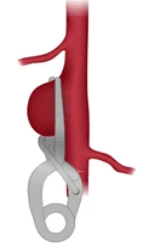
Open surgery to place a clip across a brain aneurysm and stop it from bleeding.
Overview
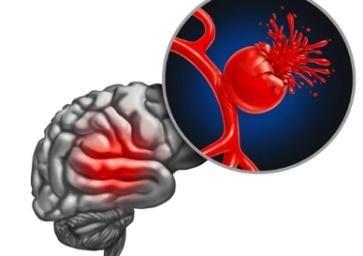
A brain aneurysm is a swelling or bulge in a blood vessel in the brain. Most brain aneurysms do not cause symptoms or problems. However, if an aneurysm bursts, it can cause bleeding around the brain (a haemorrhagic stroke), which is a serious medical emergency.
What causes a brain aneurysm?
The exact cause is not always known, but risk factors include:
- High blood pressure
- Smoking
- Family history of aneurysms
- Older age
- Heavy alcohol use
- Head injury or certain inherited medical conditions that weaken the blood vessel
Symptoms of a brain aneurysm
Small aneurysms may not cause symptoms. A larger or leaking aneurysm may cause:
- Severe headache
- Blurred or double vision
- Pain above or behind the eye
- Weakness or numbness
- Difficulty speaking
- Loss of balance
A burst aneurysm often causes a sudden, extremely severe headache.
How is a brain aneurysm diagnosed?
Tests may include:
CT (Computed Tomography) scan: Uses X-rays and a computer to create detailed pictures of the brain
• MRI (Magnetic Resonance Imaging) scan: Uses magnets and radio waves to produce detailed images of the brain and blood vessels
• CT angiography or MR angiography: Special scans using dye (contrast) to show blood vessels clearly and help detect aneurysms
• Cerebral angiogram: A detailed test where a thin tube (catheter) is inserted into a blood vessel and dye is injected to get clear images of blood vessels in the brain
What is the treatment for brain aneurysm?
Small brain aneurysms that are not causing symptoms may only need regular scans to monitor them.If there is a risk of rupture (bursting), or if the aneurysm has already burst, treatment may be needed.
Main treatment options include:
• Surgical clipping – a small metal clip is placed on the aneurysm to stop blood flow into it
• Endovascular coiling – tiny coils or a mesh tube are placed inside the aneurysm to reduce blood flow and help seal it
What is aneurysm clipping?
Aneurysm clipping is an operation to prevent an aneurysm from bursting or repair a ruptured aneurysm. A small metal clip is placed across the base of the aneurysm to stop blood flowing into it. This helps prevent the aneurysm from bleeding or bleeding again.
Procedure details
Before surgery:
- Blood pressure, pulse and temperature will be checked
- Blood tests and scans may be performed
- Tell your doctor about medicines and allergies
- You may need to stop eating and drinking for several hours before surgery
Step-by-step procedure overview
- You will receive general anaesthesia (you will be asleep)
- A small part of the scalp is shaved
- The surgeon makes an opening in the skull (craniotomy)
- The aneurysm is carefully located
- A tiny metal clip is placed at the base (neck) of the aneurysm
- Blood flow to the aneurysm stops
- The bone flap is placed back and secured with small metal plates and screws
- The wound is closed with stitches and covered with bandages
- The procedure may take up to 5 hours
Recovery after aneurysm clipping
• Hospital stay is usually 2–5 days after planned surgery, but may be 7–14 days if the aneurysm had ruptured• Full recovery often takes 6–8 weeks. Some people may feel tired for up to 6 months after surgery for a ruptured aneurysm
After the procedure
After surgery:
- You will be monitored closely in hospital
- Pain medicines will be given if needed
- You may feel tired or have headaches
- The healthcare team will check your neurological recovery
At home after surgery
You may be advised to:
- Get plenty of rest
- Avoid heavy lifting
- Take medicines as prescribed
- Attend follow-up appointments
- Avoid smoking and alcohol
Benefits and risks of aneurysm clipping
- Surgical clipping is usually very effective and treated aneurysms rarely return
- Risks include bleeding in the brain or reduced blood flow to the brain, but these risks are low
- Some people may face problems with movement, sensation, seizures or other changes in the ability to think
Warning signs (Red flags)
Seek urgent medical help if you notice:
- Sudden severe headache
- Weakness or numbness
- Difficulty speaking
- Fever
- Confusion
- Seizures
- Problems with vision
Lifestyle changes and long-term care
• Stop smoking if you smoke• Keep your blood pressure under control• Eat a healthy balanced diet• Exercise regularly• Maintain a healthy weight• Avoid excessive alcohol• Do not use illegal drugs

Myths & Facts
All brain aneurysms burst.
Most brain aneurysms do not rupture or cause symptoms.
Surgical clipping is not effective long term.
Surgical clipping is usually very effective, and treated aneurysms rarely return.
Recovery after aneurysm clipping is always quick.
Recovery time varies and may take several weeks or months, especially after a ruptured aneurysm.
Only older adults develop brain aneurysms.
Brain aneurysms can occur at any age, although risk increases with age and certain health conditions.
You can return to all activities immediately after surgery.
Rest, follow-up care and gradual return to activity are important after surgery.
Frequently Asked Questions
Will the aneurysm come back after clipping?
Usually not. Clipped aneurysms rarely return.
How long does recovery take?
Full recovery often takes 6–8 weeks, but recovery may take longer after a ruptured aneurysm.
Will I have pain after surgery?
Some headache, tiredness or discomfort is common after surgery and usually improves with time.
Can I drive after aneurysm clipping?
Ask your doctor when it is safe to drive again after treatment.
What lifestyle changes can help after treatment?
Stopping smoking, controlling blood pressure, healthy eating and regular exercise may help reduce future risks.
Speak to a neurology specialist
Get an expert opinion and a personalised treatment plan at Sterling Hospitals.