

A decline in memory, thinking and reasoning that interferes with daily life, with several possible causes.
Overview
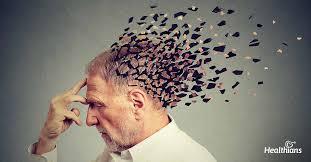
“Dementia” is a term for a group of symptoms that cause a loss of cognitive functioning (thinking, memory, mood and behavior). The decline interferes with your daily life and activities. It’s not a specific disease. It’s a clinical description of a set of symptoms caused by underlying brain diseases. The most common cause is Alzheimer’s disease.
----------------------------------------------------------------------------------------------------------------------------------
How common is stroke in India?
- 7.4% in people aged above 60 years
----------------------------------------------------------------------------------------------------------------------------------
Types of dementia
- Primary: Dementia without a clear cause. The brain disease (eg. Alzheimer’s)
- Secondary: Dementia caused by some other condition that causes changes in your body
- Reversible: Some causes of dementia can be reversed such as vitamin issues
----------------------------------------------------------------------------------------------------------------------------------
Risk factors
- Aged above 65 years
- Close relative affected by dementia
- Down Syndrome
- Heart and blood vessel problems
- Serious brain injury
Symptoms
- Having trouble vocalising your thoughts
- Memory loss
- Problems following directions
- Language issues

- Agitation
- Anxiety
- Hallucinations
- Paranoia
- Irritability
- Disorientation
- Fidgeting
- Sleep problems
----------------------------------------------------------------------------------------------------------------------------------
Diagnosis
- Blood tests
- MRI and CT scans – a detailed scan that creates clear pictures inside the body
- Mental health evaluation
- Spinal fluid evaluation
----------------------------------------------------------------------------------------------------------------------------------
Treatment
- Medicines
- Antidepressants
Supportive Care
- Managing any other conditions you might be having
- Keeping your blood levels in check
- Eating properly
- Being socially active
- Exercising regularly
What are the side effects of treatment?
- Nausea
- Vomiting
- Dizziness
- Increased bleeding risk
- Fever and flu-like symptoms
- Headache
- Allergic reaction
Lifestyle & Prevention
Recommended diet
- Eat more fruits and vegetables
- Choose whole grains such as oats and brown rice
- Include protein like eggs, fish, beans, and lentils
- Drink enough water
- Limit processed and fried foods

- Keep yourself active around the house and outside
- Practice yoga, and seated exercises
- Warm up and stretch before such activities
- Go for regular exercises including jogging, dancing, walking
- Do breathing exercises regularly
- Avoid overexertion
- Increase activity slowly as strength improves
Prevention
- Keep your mind active
- Be physically and socially active
- Quit smoking
- Get enough vitamins
- Take care of your mental health
- Eat a healthy diet
- Get enough sleep
- Get regular eye exams and treat vision loss
When to contact a doctor?
Make an appointment with a provider if you or your loved ones notice changes in your:
- Ability to perform everyday tasks
- Behaviour
- Memory
- Mental functioning
Myths & Facts
Dementia is a disease
Dementia is not a disease. It's a general term to describe thinking and memory skills that have deteriorated to the point that you experience problems with daily activities. A number of conditions can cause dementia; Alzheimer's disease is the most common.
Memory loss is the first sign of dementia
Memory loss is generally the first sign of Alzheimer's disease, but not always. A 2021 study found that Alzheimer's disease often shows up as word finding difficulty, trouble seeing clearly — not explained by eye issues such as outdated corrective lenses — or trouble balancing your cheque book.
Dementia is a natural part of aging
Dementia is not part of normal aging. It is simply more common as people get older— just like heart disease, stroke, and cancer. Research published in 2022, from scientists who studied the U.S. adult population, found that about 41% of dementia risk might be preventable.
Frequently Asked Questions
Is there a cure for dementia?
Unfortunately, there is currently no cure for any of the diseases that cause dementia. When someone is diagnosed with dementia, they will have it for the rest of their life. If you’ve been diagnosed with Alzheimer’s or dementia with Lewy bodies, you might be offered some medications that can make your symptoms easier for a time.
Can Alzheimer’s disease be prevented?
Unfortunately, not enough is known about what causes Alzheimer’s disease for us to be able to recommend that anything will prevent it. Although we know that Alzheimer’s disease is more common as we get older, what triggers the characteristic changes that take place in the brain tissue of someone with Alzheimer’s disease, is not known.
Speak to a neurology specialist
Get an expert opinion and a personalised treatment plan at Sterling Hospitals.