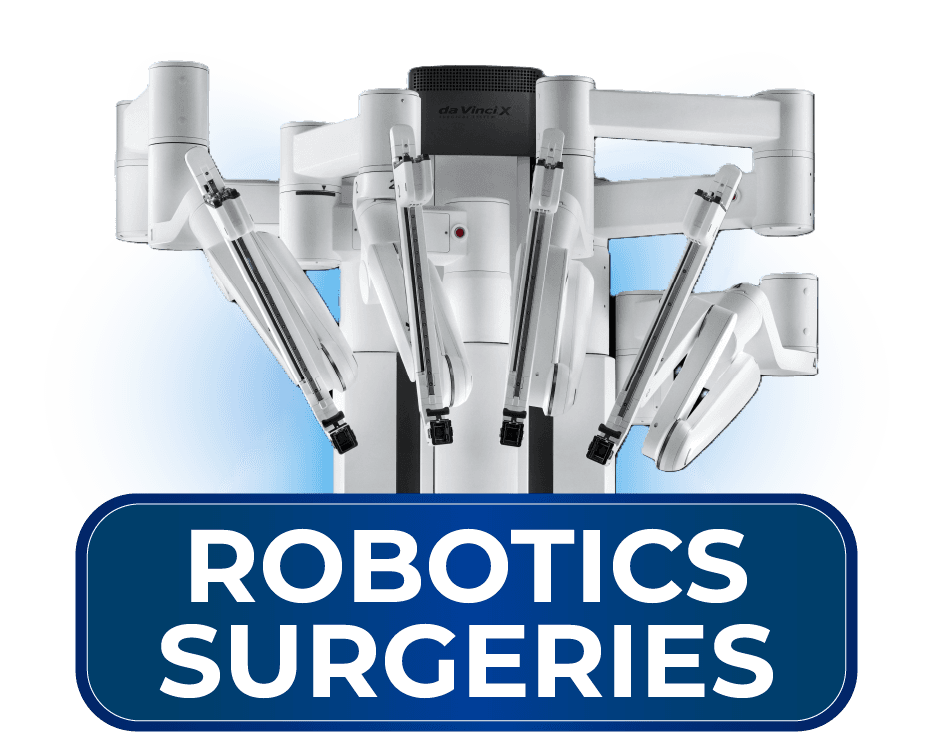

Surgery to remove or disconnect the area of the brain responsible for seizures that don't respond to medicine.
Overview

- Epilepsy surgery aims to reduce seizures and improve quality of life
- It is most effective when seizures originate from a single area of the brain
- Surgery is not usually the first treatment option
- It may be considered if at least two anti-seizure medicines have failed to control seizures
Why is epilepsy surgery done?
Epilepsy surgery may be considered when medicines do not control seizures. This is known as drug-resistant epilepsy. The aim of surgery is to stop seizures or reduce their severity. Most people still need anti-seizure medicines after surgery, usually for at least two years. Some may later reduce the dose or stop treatment altogether.
Controlling seizures is important to lower the risk of complications, including:
- Injuries during a seizure
- Drowning during bathing or swimming
- Depression and anxiety
- Developmental delays in children
- Memory and thinking problems
- Sudden unexpected death in epilepsy (rare)
Symptoms of epilepsy
Symptoms may vary depending on the type of seizure and affected brain area. Common symptoms include:
- Sudden shaking movements
- Loss of awareness or consciousness
- Staring episodes
- Sudden confusion
- Strange smells, tastes or sensations
- Muscle stiffness or jerking
What are the types of epilepsy surgeries?
Epilepsy surgery depends on where seizures start in the brain and the patient’s age.
- Resective surgery – Removes the small area of brain tissue causing seizures. This is the most common type.
- Laser interstitial thermal therapy (LITT) – A minimally invasive procedure that uses a laser to destroy seizure-causing brain tissue under MRI guidance.
- Deep brain stimulation (DBS) – Electrodes are placed deep in the brain and connected to a pacemaker-like device in the chest to help control seizures.
- Corpus callosotomy – Cuts part of the connection between the two sides of the brain to prevent seizures from spreading. Mostly done in children.
- Hemispherectomy – Removes or disconnects one side of the brain (hemisphere). Usually performed in children with severe seizures affecting one hemisphere.
- Functional hemispherectomy – Disconnects the affected side of the brain without removing large areas of brain tissue.
What are the risks of epilepsy surgery?
The risks depend on the type of surgery and the area of the brain involved.
Possible risks include:
- Memory or language difficulties
- Problems with communication or understanding
- Changes in vision
- Depression or mood changes
- Headache
- Stroke
Your surgical team will explain the specific risks and how they work to reduce complications.
How do doctors prepare for epilepsy surgery?
Before surgery, you will be assessed by a specialist epilepsy team. The team performs tests to:
- Check if surgery is suitable for you
- Find the area of the brain causing seizures
- Understand how that part of the brain controls important functions such as speech, memory and movement
Some tests are done as outpatient procedures, while others may require a hospital stay.
What are the tests done before a surgery to find the source of seizures?
- Electroencephalogram (EEG) – Records the brain’s electrical activity to identify areas causing seizures
- Video electroencephalogram (Video EEG) – Combines EEG recording with video monitoring to capture seizures and locate where they start
- Magnetic resonance imaging (MRI) – Creates detailed brain images to detect abnormalities, injuries or tumours linked to seizures
- Invasive EEG monitoring – Uses electrodes placed on or inside the brain to identify seizure activity more accurately
- Positron emission tomography (PET) – Measures brain activity between seizures to help locate the seizure focus
- Single-photon emission computed tomography (SPECT) – Measures blood flow in the brain during seizures to identify the seizure source
- Functional magnetic resonance imaging (fMRI) – Identifies brain areas responsible for speech, movement and other important functions
- Wada test – Helps determine which side of the brain controls language and memory
- Brain mapping – Uses electrodes to identify areas controlling speech, movement and sensation
- Magnetoencephalography (MEG) – Measures magnetic signals from brain activity to help locate seizure areas
- Neuropsychological tests – Assess memory, learning, language and thinking skills before surgery
Preparing for surgery
Before surgery, your healthcare team may advise:
- Blood tests and general health checks
- Review of current medicines
- Stopping certain medicines if advised by your doctor
- Fasting for several hours before surgery
- Informing the doctor about allergies or medical conditions
- Arranging support for recovery after discharge
Procedure overview
Before the procedure
- Hair over the surgical area is clipped or shaved to reduce the risk of infection
- An intravenous (IV) line is inserted to give fluids, anaesthesia and medicines
During the procedure
- Heart rate, blood pressure and oxygen levels are monitored throughout surgery
- An Electroencephalogram (EEG) may be used during surgery to help identify the seizure area
- Surgery is usually performed under general anaesthesia, so you will be asleep
- In some cases, you may be briefly awakened during surgery to help identify areas controlling speech or movement
- Pain medicines are given to keep you comfortable
- The surgeon may temporarily remove a small section of the skull to access the brain
- The bone is replaced after the procedure
- The procedure may take several hours depending on the type and complexity of surgery
After the procedure
- You will be monitored in a recovery area after surgery.
- Most patients spend the first night in the Intensive Care Unit (ICU)
- The usual hospital stay is around 3–4 days.
- Mild swelling and headache are common after surgery
- Pain medicines and ice packs may help
- Most swelling and discomfort improve within a few weeks
- Rest is important during the first few weeks, followed by gradual increase in activity
Recovery after surgery
- Return to normal activities: 4–6 weeks
- Return to work or school: 1–3 months
- Full results of surgery: Up to 2 years
- Anti-seizure medicines: Usually continued for some time after surgery
- Medication reduction: Possible if no seizures occur later
- Supportive therapy: Only needed if speech, memory, or movement are affected
Benefits of epilepsy surgery
Benefits of epilepsy surgery may include:
- Fewer seizures or becoming seizure-free
- Reduced need for anti-seizure medicines
- Better ability to work, drive and do daily activities safely
- Lower risk of serious complications from seizures
- Improved mental and emotional well-being
Complications of epilepsy surgery
Possible complications include:
- Bleeding or infection
- Reaction to anaesthesia
- Weakness, speech problems or stroke
- Fluid build-up in the brain (hydrocephalus)
- Memory, vision or movement problems
- Mood or emotional changes
Detailed testing is done before surgery to reduce these risks.
Warning signs
Seek medical help immediately if you notice:¹-³
- Fever or chills
- Severe headache
- Increasing swelling or redness around the wound
- Weakness or difficulty speaking
- Persistent vomiting
- Seizures worsening after surgery
- Difficulty breathing or chest pain

Myths & Facts
Epilepsy surgery is the first treatment option for seizures.
Surgery is usually considered only after at least two anti-seizure medicines fail to control seizures.
Epilepsy surgery always cures epilepsy completely.
Surgery may stop seizures or reduce their severity, but some people may still need anti-seizure medicines after surgery.
All epilepsy surgeries involve removing part of the brain.
Some procedures, such as deep brain stimulation (DBS) and laser interstitial thermal therapy (LITT), are minimally invasive and may not remove brain tissue.
Recovery after epilepsy surgery takes many years.
Most people return to normal activities within 4–6 weeks and return to work or school within 1–3 months.
Everyone needs rehabilitation therapy after epilepsy surgery.
Supportive therapy is usually needed only if speech, memory, or movement are affected after surgery.
Frequently Asked Questions
Who may need epilepsy surgery?
Epilepsy surgery may be considered for people with drug-resistant epilepsy when medicines do not control seizures.
How long is the hospital stay after epilepsy surgery?
Most patients stay in the hospital for around 3–4 days after surgery.
Will I still need anti-seizure medicines after surgery?
Yes, most people continue anti-seizure medicines for some time after surgery, usually for at least two years.
What tests are done before epilepsy surgery?
Common tests include EEG, Video EEG, MRI, PET scan, SPECT scan, MEG, and neuropsychological testing.
What are the benefits of epilepsy surgery?
Benefits may include fewer seizures, reduced need for medicines, improved quality of life, and lower risk of seizure-related complications.
Speak to a neurology specialist
Get an expert opinion and a personalised treatment plan at Sterling Hospitals.