

A procedure to collect and test cerebrospinal fluid from the lower spine for diagnosis.
Overview of the Condition
What is meningitis?

Meningitis is an infection and swelling of the protective covering around the brain and spinal cord. It is usually caused by a viral or bacterial infection. The condition can become serious quickly, so early diagnosis and treatment are important. Some people may recover completely, while others may need hospital treatment.
Causes / Why It Happens
Meningitis is seen in 12% of the Indian population. it is most often caused by infections from viruses or bacteria. It can spread through close contact, coughing or sneezing. In some cases, it may also occur due to fungal infections, certain illnesses or reactions to medicines.
Signs and Symptoms
- Fever
- Severe headache
- Stiff neck
- Nausea or vomiting
- Sensitivity to bright light
- Sleepiness or confusion
- Difficulty concentrating
Diagnostic tests
Tests used to diagnose meningitis may include:
- Blood tests: To check for infection-causing germs in the blood
- Imaging scans (CT or MRI): To look for swelling or signs of infection around the brain
- Lumbar puncture: A procedure used to collect fluid from around the spine to check for infection and identify the cause of meningitis
Test overview and preparation
What is lumbar puncture?
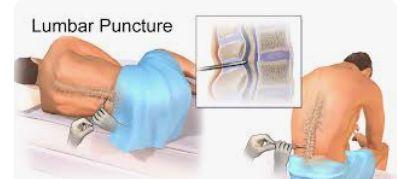
A lumbar puncture, also called a spinal tap, is a procedure used to collect a small sample of fluid from around the brain and spinal cord. The test helps diagnose conditions such as meningitis, infections and certain neurological disorders.
Preparation Guidelines
- Inform your healthcare provider about any medicines you are taking
- Tell your provider if you have bleeding problems or allergies
- You may be advised to stop certain medicines before the procedure
- Follow instructions about eating or drinking before the test
Step-by-step
- You will lie on your side or sit leaning forward
- The lower back area will be cleaned and numbed with local anaesthetic
- A thin needle will be inserted into the lower spine to collect fluid
- The needle will then be removed and a dressing applied
Time required
- 30 to 45 minutes
Risks and benefits
Risks
- Headache after the procedure
- Mild back discomfort or pain
- Rare risk of bleeding or infection
Benefits
- Helps diagnose infections such as meningitis
- Helps detect conditions affecting the brain and spinal cord
- Helps doctors plan appropriate treatment
Myths & Facts
A lumbar puncture is extremely painful.
The procedure is usually done under local anaesthetic, so discomfort is usually mild.
Lumbar puncture can cause paralysis.
The needle is inserted below the spinal cord, making paralysis extremely rare.
Everyone gets severe headache afterwards
Some people may develop headaches, but many recover without major problems.
Lumbar puncture is only used for meningitis.
It is also used to diagnose other neurological conditions and infections.
Frequently Asked Questions
Why is a lumbar puncture done?
It helps diagnose infections, bleeding and conditions affecting the brain and spinal cord.
Will I be awake during the procedure?
Yes, most people remain awake during the procedure.
How long does recovery take?
Most people can return home the same day and recover within a day or two.
Is lumbar puncture safe?
Yes, it is generally a safe procedure when performed by trained healthcare professionals
Speak to a neurology specialist
Get an expert opinion and a personalised treatment plan at Sterling Hospitals.