

Nerve damage outside the brain and spine causing numbness, tingling or weakness, often in the hands and feet.
Overview
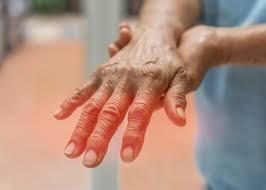
Peripheral neuropathy happens when the peripheral nerves, which are located outside of the brain and spinal cord, are damaged. This condition often causes weakness, numbness and pain, usually in the hands and feet. It also can affect other areas and body functions, including digestion and urination.
Peripheral neuropathy can result from traumatic injuries, infections, metabolic conditions, autoimmune diseases, inherited causes and exposure to toxins. One of the most common causes of neuropathy is diabetes.
----------------------------------------------------------------------------------------------------------------------------------
How common is peripheral neuropathy in India?
- Studies affect upto 24% of people affected by this condition
----------------------------------------------------------------------------------------------------------------------------------
What are some of its causes?
- Diseases which affect the immune system
- Diabetes
- Infections including bacterial, viral, hepatitis, leprosy, diphtheria and HIV
- Certain conditions which are inherited from family members
- Tumours
- Kidney and liver-related diseases
- Alcohol disorder
- Injuries which can pressurise nerves
----------------------------------------------------------------------------------------------------------------------------------
Risk factors
- Diabetes, especially if sugar levels are not well managed
- Obesity
- Metabolic syndrome
- Alcohol misuse
- Low levels of vitamins in the body, especially vitamin B-12
- Infections, such as Lyme disease, shingles, hepatitis B and C, and HIV
- Autoimmune diseases, such as rheumatoid arthritis and lupus, in which the immune system attacks the body's tissues
- Repetitive motion, such as those done in certain jobs
- Family history of neuropathy
Complications of peripheral neuropathy
- You might not feel burns, injuries or wounds properly
- Loss of sensation can make you miss any signs of infection
- Affect your balance and increase your risk of falls
Symptoms of peripheral neuropathy
- Gradual onset of numbness, prickling or tingling in the feet or hands
- Sharp, jabbing, throbbing or burning pain
- Extreme sensitivity to touch.
- Pain during activities that shouldn't cause pain, such as pain in your feet when putting weight on them
- Lack of coordination and falling
- Muscle weakness
- Feeling as if you're wearing gloves or socks when you're not
- Loss of the ability to move if motor nerves are affected
----------------------------------------------------------------------------------------------------------------------------------
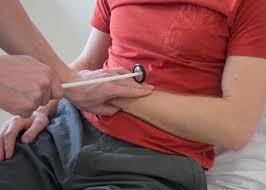
Diagnosis
- Neurological exam to test your behaviour, movement and mental function
- Blood tests
- Reflex tests
- Taking a sample of your nerve or skin
- Magnetic resonance imaging of your brain
----------------------------------------------------------------------------------------------------------------------------------
Treatment
- Pain-relieving medicines
- Topical creams
- Medicines to control your seizures
- Antidepressants
- Spinal cord stimulation
- Physical therapy
- Surgeries
Supportive Care
- Exercises improve strength, balance, and mobility while preventing muscle stiffness and reducing cramps
- Assistive Devices: Using custom orthopaedic shoes, foot/hand braces, canes, or walkers can help prevent falls and reduce daily strain
Lifestyle & Prevention
Recommended diet
- Include good fats like nuts, seeds, cream
- Limit carbohydrate intake like sugar, bread and pasta
- Include protein like eggs, fish, beans, and lentils
- Drink enough water
- Limit caffeine consumption as it can often trigger seizures
Exercise tips
- Exercising can help with decrease muscle pain and nerve tingling and numbness
- Exercises include hamstring and calf stretches, ankle motion routine, toe curls, heel-to-touches, etc.
Prevention
- Manage any underlying conditions which might be causing peripheral neuropathy
- Eat healthy and exercise regularly
- Limit alcohol and smoking
When to contact a doctor?
- Contact immediately if you notice tingling, weakness or pain in your hands or feet
Myths & Facts
Peripheral neuropathy is a single disease with the same course
Peripheral neuropathy is caused by a variety of conditions/issues and can thus present with different symptoms and progress differently in each person
Frequently Asked Questions
Why are my symptoms worse at night?
At night there are fewer distractions, reduced movement, and changes in circulation and nerve signaling that can make tingling, burning, or electric-shock sensations feel stronger.
an peripheral neuropathy affect balance even if I’m not in pain?
Yes. Your nerves help your brain know where your feet are positioned. Loss of sensation can affect stability and increase fall risk.
Is it normal for symptoms to “move” up my legs over time?
Many neuropathies follow a “stocking-glove” pattern, starting in the feet and gradually moving upward as longer nerves are affected first
Speak to a neurology specialist
Get an expert opinion and a personalised treatment plan at Sterling Hospitals.