
An overnight test that records brain activity, breathing and movement to diagnose sleep disorders.
Overview of the Condition
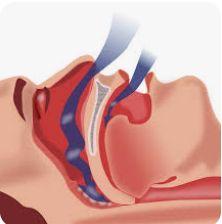
Obstructive sleep apnoea is a common condition in which breathing repeatedly stops and starts during sleep because the airway becomes blocked. This usually happens when the throat muscles relax during sleep. Loud snoring is a common symptom.
Treatment options include devices that keep the airway open during sleep, mouthpieces that move the lower jaw forward, and sometimes surgery. Weight loss may also help in people with obesity.
Causes / Why It Happens
Obstructive sleep apnoea affects around 30% of people in India. It occurs when the muscles at the back of the throat relax too much during sleep, causing the airway to narrow or close. This lowers oxygen levels and briefly wakes the brain so breathing can restart, often with snorting, choking or gasping.
These interruptions may happen many times during the night, preventing deep, restful sleep. As a result, people often feel tired during the day, even if they are unaware their sleep has been disturbed.
Signs and Symptoms
Symptoms of obstructive sleep apnoea may include:
At night
- Loud snoring
- Pauses in breathing during sleep
- Waking up gasping or choking
- Needing to pass urine often at night
During the day
- Excessive daytime sleepiness
- Dry mouth or sore throat on waking
- Morning headaches
- Poor concentration
- Low mood or irritability
- High blood pressure
Diagnostic tests
- Polysomnography (overnight sleep study): monitors breathing, heart rate, brain activity, oxygen levels and body movements during sleep
- Split-night sleep study: The first part of the night is used to diagnose sleep apnoea, and if confirmed, treatment such as continuous positive airway pressure (CPAP) may be started during the second half
- Home sleep apnoea testing: a simplified test done at home that monitors breathing and oxygen levels during sleep
Test overview and preparation
What is polysomnography?
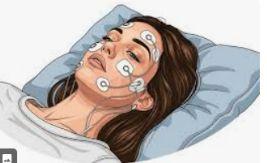
Polysomnography, also known as a sleep study, is a test used to diagnose sleep disorders such as obstructive sleep apnoea. It records brain activity, breathing, heart rate, oxygen levels, and eye and leg movements during sleep.
The test is usually carried out overnight in a hospital or sleep centre, although some people may be able to have a simplified home sleep apnoea test. Home tests monitor breathing, airflow, oxygen levels and heart rate during sleep.
Sleep studies can help diagnose sleep disorders, guide treatment decisions and assess how well treatment is working.
Preparation Guidelines
- Avoid alcohol and caffeine on the afternoon and evening before the sleep study, as they can affect sleep and test results
- Do not nap during the day before the test
- Bathe or shower before the study if advised
- Do not use lotions, gels, perfumes or make-up, as they may interfere with the sensors
- If having a home sleep apnoea test, follow the instructions provided for using the equipment
Step-by-step
- If your sleep study is carried out in a sleep centre, you will usually stay overnight
- You may bring items from your usual bedtime routine and wear your own night clothes
- If you are having a home sleep apnoea test, follow your normal bedtime routine and use the equipment as instructed
- Small sensors will be placed on your scalp, chest, legs and finger or ear to monitor sleep, breathing, heart rate, oxygen levels and body movements
- The test is painless, and staff can assist you during the night if needed
- Even if you do not sleep as well as usual, the test results are usually still accurate
Time required
- 6-8 hours
Risks and benefits
Risks
- Polysomnography is a non-invasive and painless test.
- The most common side effect is mild skin irritation caused by the adhesive used to attach the sensors
Benefits
- Helps diagnose sleep disorders such as obstructive sleep apnoe
- Monitors sleep stages and identifies disruptions in normal sleep patterns
- Helps doctors plan the most suitable treatment
- Can be used to assess and adjust treatment if needed
Myths & Facts
Polysomnography is painful
Polysomnography is a non-invasive and painless test.
You must sleep perfectly for test to work
Even if you do not sleep as well as usual, the results are usually still accurate.
Sleep apnoea can be done only in hospital
Some people can have a simplified home sleep apnoea test.
A sleep study only checks for snoring.
It also monitors brain activity, breathing, heart rate, oxygen levels and body movements to diagnose different sleep disorders.
Frequently Asked Questions
What is polysomnography?It is a sleep study used to diagnose sleep disorders by monitoring sleep, breathing and body functions overnight.
Where is the test done?The test may be carried out in a hospital sleep centre or at home using a home sleep apnoea test kit.
What does the test measure?It records brain waves, breathing, heart rate, oxygen levels, and eye and leg movements during sleep.
Are there any risks?The test is generally safe. The most common side effect is mild skin irritation from the adhesive used for the sensors.
Speak to a neurology specialist
Get an expert opinion and a personalised treatment plan at Sterling Hospitals.