
A sudden interruption of blood flow to the brain — a medical emergency needing immediate treatment.
Overview
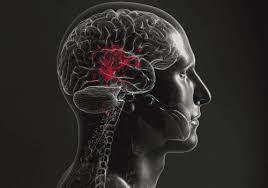
A stroke or an ischaemic stroke occurs when the blood supply to part of the brain is blocked or reduced. This prevents brain tissue from getting oxygen and nutrients. Brain cells begin to die in minutes. Another type of stroke, called a haemorrhagic stroke, occurs when a blood vessel leaks or bursts and causes bleeding in the brain. This increases the pressure on the brain cells and damages them.
A stroke is a medical emergency. It's crucial to get medical treatment right away.
----------------------------------------------------------------------------------------------------------------------------------
How common is stroke in India?
- 119 to 145 per 100,000 cases in India every year
- More common in urban areas
- 20-30% of stroke cases occur in people aged below 50 years
- Ischaemic stroke accounts for 70-80% of all cases
----------------------------------------------------------------------------------------------------------------------------------
What causes a stroke?
Ischaemic stroke
- Hardened arteries due to fat buildup (Atherosclerosis)
- Irregular heartbeat
- Blood clot
- Heart defects
Haemorrhagic stroke
- High, uncontrolled blood pressure
- Overtreatment with blood thinners
- Bulges at weak spots of blood vessels called aneurysms
- Ischaemic stroke
Sometimes, a temporary decrease in blood supply to the brain can also cause a stroke, but might not cause any permanent damage. This is called a transient ischaemic attack.
----------------------------------------------------------------------------------------------------------------------------------
Risk factors
- Overweight/obese
- Physical inactivity
- Heavy drinking
- Use of illegal drugs like cocaine
- High blood pressure
- Smoking
- Aged above 55 years
- High cholesterol
- Suffering from a cardiovascular disease like heart failure, heart infection or irregular heart rhythms
- Personal or family history of stroke
- Previously suffered a COVID-19 infection
Symptoms of stroke
- Speech slurring
- Numbness/paralysis in the arms or legs
- Problems seeing in one or both eyes
- Headache
- Trouble walking
- Dizziness
- Loss of muscle coordination
- Memory loss
To recognize the signs of stroke, remember to BEFASTTo recognize the signs of stroke, remember to BEFAST
To recognize the signs of stroke, remember to BEFAST
To recognize the signs of stroke, remember to BEFAST
----------------------------------------------------------------------------------------------------------------------------------
Diagnosis
- Blood tests
- CT scan – a detailed scan that creates clear pictures inside the body
- A reading of your brain activity, called an electroencephalogram
- Magnetic resonance imaging of your brain
----------------------------------------------------------------------------------------------------------------------------------
Treatment
- Blood thinning medications to dissolve the blood clot- can be given via pills, injection or via a catheter (thin tube)
- Surgery to stop the bleeding in the brain
Supportive Care
- Helps improve
- Memory, concentration and other mental abilities
- Carry out your daily tasks and movements
- Restore strength
- Regain speech
- Helps manage symptoms like pain, breathing difficulties and treatment-related side effects
What are the side effects of treatment?
- Nausea
- Vomiting
- Dizziness
- Increased bleeding risk
Lifestyle & Prevention
Recommended diet
- Eat more fruits and vegetables
- Choose whole grains such as oats and brown rice
- Include protein like eggs, fish, beans, and lentils
- Drink enough water
- Limit processed and fried foods
Exercise tips
- Start with short walks
- Do breathing exercises regularly
- Avoid overexertion
- Increase activity slowly as strength improves
Prevention
- Stop smoking
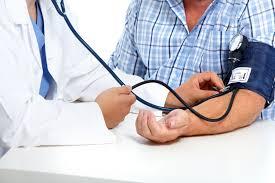
- Control blood pressure
- Eat healthy
- Exercise
- Consume a healthy diet
When to contact a doctor?
Warning signs
- Immediately call or get someone to call emergency services if you notice any symptoms of stroke again
Myths & Facts
Stroke only happens in the older population
Around 25% of stroke cases occur in people aged below 65 years and 30% in those aged below 50
Stroke can be painful
While haemorrhagic strokes can cause headaches, ischaemic strokes (caused by blood clots) do not cause pain
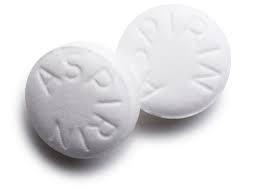
Treat a stroke by taking aspirin
Aspirin does nothing to treat an ischaemic stroke and will make a haemorrhagic stroke worse. Going to the hospital is always the right answer.
Frequently Asked Questions
Do victims of a stroke ever return to normal after suffering a stroke?
The extent of recovery varies. A stroke kills brain cells. The extent of the brain damage and the size of the stroke are directly related to the extent of the impairments. People who suffer a minor stroke may have only slight impairments, such as a weak arm or leg. A massive stroke, however, can cause a person to lose the ability to read, write, or speak. It also can cause paralysis. Fortunately, with rehabilitation therapy, about 25% of victims recover with slight impairments and an additional 10% recover almost completely.
Am I at risk of a stroke?
Smoking, obesity, diabetes, and high blood pressure all can greatly increase your risk for a stroke. Risk for stroke provides one more compelling reason to quit smoking. In addition, diet and exercise can help control cholesterol, which is another risk factor for stroke. And, proper medication management can help control diabetes, and high blood pressure.
What supportive care services are available for stroke victims?
Rehabilitation is a critical aspect of stroke care. This includes ncludes speech therapy, physical therapy, and occupational therapy, with rehabilitative physicians and staff who specialize in helping stroke patients regain their independence
Speak to a neurology specialist
Get an expert opinion and a personalised treatment plan at Sterling Hospitals.