
What is liver cancer?
Overview
What is liver cancer?
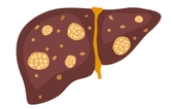
- Liver cancer happens when cells grow abnormally and uncontrollably in the liver to form a lump (tumour)
- The liver is a large organ found on the right side of the tummy (abdomen)
- It helps clean the blood, stores energy and helps digest food
- In some people, cancer may also spread to the liver from another part of the body, such as the bowel (intestine), pancreas or breast
Common symptoms of liver cancer
Symptoms may not appear in the early stages. Some people may notice:
- Pain or discomfort in the upper right side of the tummy
- Loss of appetite
- Weight loss without trying
- Tiredness or weakness
- Swelling of the tummy
- Yellowing of the skin or eyes (jaundice)
- Feeling sick or vomiting
Treatment options for liver cancer
Treatment depends on the type and stage of cancer and how well the liver is working. Treatment options may include:
- Liver resection surgery (removal of the cancerous part of the liver)
- Liver transplant (replacing the diseased liver with a healthy donor liver)
- Chemotherapy (cancer medicines)
- Immunotherapy or targeted medicines (treatments that help the body fight cancer or attack cancer cells directly)
- Radiotherapy (high-energy rays used to treat cancer)
- Ablation therapy (destroying the tumour using heat or cold)
- Supportive or palliative care (treatment to relieve symptoms and improve comfort)
In many patients, surgery offers the best chance of removing the cancer completely.
Liver resection

What Is liver resection surgery?
Liver resection, also called hepatectomy, is an operation to remove the part of the liver affected by cancer.
Types of surgical approaches
Liver resection may be performed using different methods:
- Open surgery – a larger cut is made in the tummy
- Laparoscopic (keyhole) surgery – small cuts (four to six keyhole incisions) and a camera are used
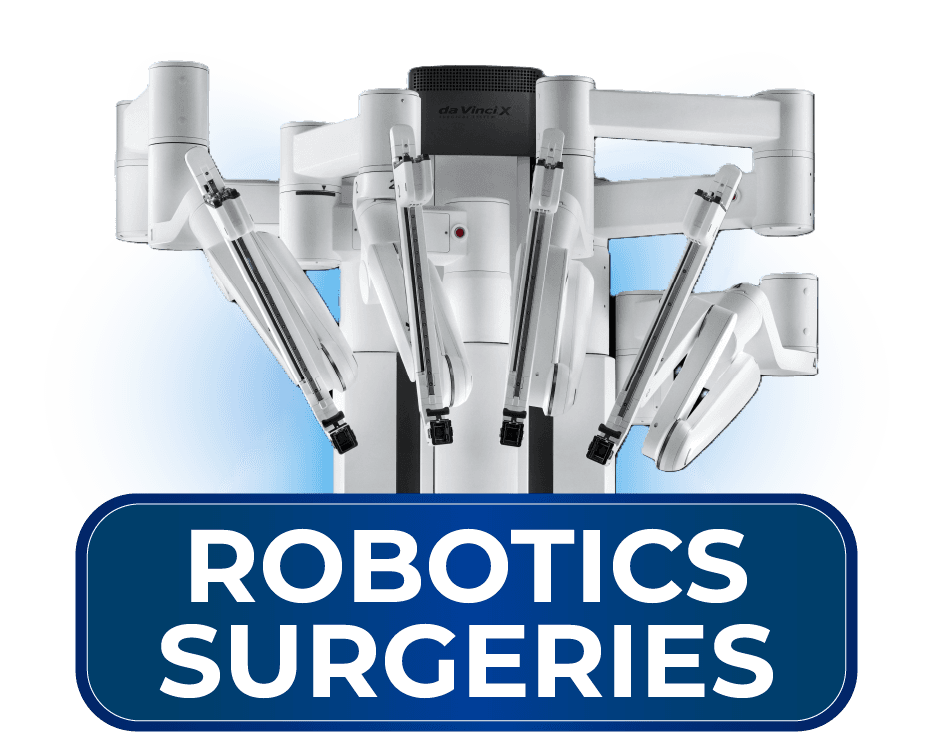
- Robotic surgery – robotic instruments assist the surgeon with precise movements.Usually four to six small incisions, each about a half-inch in size are made for a robotic surgery
Your surgeon will choose the safest and most suitable approach for your condition.
What are the conditions for which liver resection may be done?
Liver resection may be recommended for:
- Primary liver cancer – cancer that starts in the liver, such as hepatocellular carcinoma (HCC)
- Secondary liver cancer – cancer that has spread to the liver from another organ
- Certain non-cancerous liver tumours causing pain or other symptoms
A partial liver resection may also be done in healthy people who donate part of their liver for a liver transplant
Doctors decide if surgery is suitable based on:
- The size and location of the tumour
- The number of tumours present
- The condition of the liver
- The patient’s overall health
What is the benefit of liver resection surgery?
Surgery offers the best chance of removing the cancer completely and improving long-term survival, whether done by open, laparoscopic or robotic method.
What are the possible risks and complications?
Like all major operations, liver resection surgery has some risks. These may include:
- Bleeding
- Infection
- Bile leakage
- Blood clots
- Temporary liver dysfunction
- Breathing problems
- Pain after surgery
The healthcare team will monitor you closely and treat any complications early.
Before surgery
Before the operation, you may need:
- Blood tests
- Computed Tomography (CT) scan or Magnetic Resonance Imaging (MRI) scan to look at the liver and tumour in detail
- Heart tests such as an Electrocardiogram (ECG) to check heart health before surgery
- Tests to check how well your liver is working
- Review of the medicines you are taking
You will also receive instructions about eating and drinking before surgery.
How Is liver resection surgery performed?
- You will be given general anaesthesia so you are asleep during the operation
- The surgeon may perform open surgery (one larger cut) or keyhole surgery (small cuts using a camera and instruments)
- The part of the liver containing the tumour is carefully identified and removed
- Blood vessels and tubes that carry digestive fluid from the liver (bile ducts) are sealed to control bleeding and prevent leakage
- In some cases, the gallbladder may also need to be removed
- The remaining healthy liver is left in place and can gradually grow back over time
- The operation may take two to six hours depending on how much of the liver needs to be removed
After surgery
- After surgery, you will first recover in a recovery room (post-anesthesia unit)
- Most patients are then moved to a hospital room
- Complex cases may require 1–2 days in the ICU for close monitoring
- Tubes may be placed to:
- Drain fluids
- Empty/decompress the stomach
- Provide nutrition and medicines
Doctors closely monitor:
- Fluid and electrolyte balance
- Blood sugar levels
- Blood loss and recovery signs
Recovery and follow-up
Recovery in the hospital usually lasts up to about a week.
During recovery, you will:
- Slowly restart eating solid foods
- Start walking and moving more
- Have tubes gradually removed
- Receive pain medication as needed
After discharge, you’ll usually see your surgeon again in about 2 weeks to:
- Review the final pathology report
- Check healing and overall recovery
Recovery at home may take several weeks. Many patients return gradually to normal activities within 6–8 weeks depending on the type of surgery performed.
Contact your healthcare team if you have:
- Fever
- Increasing pain
- Yellowing of the skin or eyes
- Severe vomiting or diarrhoea
- Shortness of breath
- Redness or discharge from the wound
Myths and facts
Myth 1: The liver cannot recover after surgery. Fact: The liver has a unique ability to regenerate and grow back if enough healthy liver remains.
Myth 2: Liver resection is only done for liver cancer. Fact: Liver resection may also be performed for cancer that has spread to the liver and for some non-cancerous liver tumours.
Myth 3: All liver surgeries require a large cut. Fact: Some liver resections can be done using laparoscopic (keyhole) or robotic techniques with smaller incisions.
Myth 4: Recovery after liver surgery always takes many months. Fact: Many patients gradually return to normal activities within 6–8 weeks, depending on the type of surgery performed.
Myth 5: Pain after liver surgery means something is wrong. Fact: Mild to moderate pain and discomfort are common after surgery and are usually managed with pain medicines during recovery.

FAQs
How long does liver resection surgery take?
The operation may take around 2–6 hours depending on how much of the liver needs to be removed.
Will I need to stay in the ICU after surgery?
Some patients, especially after complex surgery, may need 1–2 days in the ICU for close monitoring.
When can I start eating normally again?
You will gradually restart eating solid foods during recovery in the hospital.
How long is the hospital stay after liver resection?
Recovery in the hospital usually lasts up to about a week, depending on your condition and type of surgery.
When should I contact my healthcare team after surgery?
You should contact your healthcare team if you develop fever, increasing pain, yellowing of the skin or eyes, severe vomiting or diarrhoea, breathing difficulty or wound redness/discharge.
Speak to a cancer care specialist
Get an expert opinion and a personalised treatment plan at Sterling Hospitals.