

What is breast cancer?
Overview of the Condition
What is breast cancer?
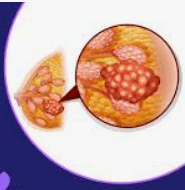
Breast cancer is a disease in which abnormal cells grow uncontrollably in the breast tissue. It is one of the most common cancers and can affect both women and men. Early detection, awareness, and advanced treatments have improved survival and recovery rates.
Why is it important?
Early detection of breast cancer is important because it increases the chances of successful treatment, prevents the cancer from spreading, and helps improve survival and recovery outcomes. Statistics estimate that approximately 29% women may develop breast cancer.
Who is commonly affected?
Causes / Why It Happens
Breast cancer occurs when cells in the breast develop DNA changes and start growing uncontrollably, forming a tumor that may spread to other parts of the body. It is influenced by a combination of genetic, hormonal, lifestyle, and environmental factors.
Risk factors
Common risk factors include:
- Family or personal history of breast cancer
- Increasing age
- Hormonal changes and early periods/late menopause
- Obesity and lack of physical activity
- Alcohol consumption and smoking
- Dense breast tissue
- Late pregnancy or never being pregnant
- Genetic mutations such as BRCA1 and BRCA2
- Previous radiation exposure
- Long-term hormone replacement therapy
Symptoms
Common symptoms include:
- Lump or thickening in the breast
- Change in breast size or shape
- Nipple turning inward
- Redness or changes in breast skin color
- Dimpling or orange peel-like skin
- Peeling or scaling of breast skin
- Pain or unusual changes in the breast or nipple area
- New lump or swelling
- Blood in urine or stool
- Coughing up blood
Treatment Options (Before Procedure)
- Targeted therapy: Targets specific cancer cells while reducing damage to normal cells
- Sentinel lymph node biopsy (SLNB): SLNB is a procedure used to check whether cancer has spread to the first nearby lymph node, helping doctors determine the stage of cancer and plan treatment
- Breast conservation surgery (BCS): A surgery to remove a portion of tissue from a breast. It's most often used to treat breast cancer
- Oncoplastic reconstruction: Combines breast cancer surgery with plastic surgery techniques Improve the breast’s shape and appearance after tumour removal
Procedure Overview and Preparation
What is oncoplastic reconstuction and why is it done?
Oncoplastic lumpectomy combines breast cancer surgery with reconstructive techniques to improve the breast’s appearance after tumour removal. It can help reshape the breast, minimise visible scarring, and improve symmetry during or after lumpectomy and radiotherapy.
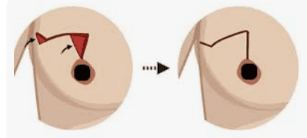
Procedure Overview
Step-by-step
- The surgeon removes the breast cancer along with a margin of healthy tissue
- Nearby breast tissue is rearranged to fill the space left after tumour removal
- Incisions are placed in less visible areas, such as around the areola (dark skin around the nipple) or under the breast
- The breast may be lifted or reduced to improve symmetry and appearance
- The nipple and areola may be repositioned while maintaining blood supply
Time required
- 2-5 hours
Risks, Benefits and Hospital Stay
Risks and Complications
- Infection
- Delayed wound healing
- Fluid build-up in the area where the cancer was removed (seroma)
- Formation of scar tissue or cysts due to damaged fatty tissue (fat necrosis)
Benefits and Expected Outcomes
- Helps maintain the natural shape and appearance of the breast
- Preserves most natural breast tissue and sensation
- Allows removal of more tissue while improving the chance of clear margins
- Can correct sagging, uneven breasts, or excess skin
- May reduce recurrence risk in women with larger breasts
- Makes future breast screening easier
- Often performed as a same-day outpatient procedure
Duration of Hospital Stay
- 1 day
Recovery, Lifestyle and Follow-up
Recovery and Aftercare
- Patients may experience mild pain, swelling, or bruising after surgery
- Proper wound care, rest, supportive bras, and follow-up visits help recovery
Recovery Timeline
- 2-6 weeks
Lifestyle and Prevention
- Long-term care
- Regular breast examinations
- imaging tests when advised
- Scar care and
- Monitoring for recurrence or changes in breast appearance
When to Contact a Doctor
Contact your doctor if you experience:
- Fever or severe pain
- Excessive swelling or redness
- Bleeding or discharge from the wound
- Sudden changes in breast appearance
Follow-up
- Regular follow-up helps monitor healing and detect recurrence early
- Follow-up may include physical examinations, imaging tests, and discussions about ongoing recovery
Myths and Facts
Myth 1: Oncoplastic reconstruction is only cosmetic.
Fact: It combines cancer removal with reconstruction techniques to safely remove the tumor while improving breast shape and symmetry.
Myth 2: It is only for women with large breasts.
Fact: Different oncoplastic techniques can be used for many breast sizes and tumor locations, depending on the amount of tissue removed.
Myth 3: Oncoplastic reconstruction increases cancer recurrence.
Fact: Studies show cancer control and survival outcomes are similar to standard lumpectomy when performed appropriately.
Myth 4: Reconstruction must always be done months later.
Fact: In many cases, reconstruction is done during the same surgery as the BCS.
FAQs
What is an oncoplastic reconstruction?
It is BCS that removes the cancer and reshapes the breast using plastic surgery techniques.
Who is a good candidate?
People with early-stage breast cancer who qualify for lumpectomy may be candidates, especially if tumor removal could change breast shape.
What are the benefits?
Benefits include better cosmetic appearance, improved symmetry and the ability to remove larger amounts of tissue while preserving the breast.
Does recovery take longer?
Recovery may take longer than a standard reconstruction, especially if breast reduction or reconstruction is performed at the same time.
Speak to a cancer care specialist
Get an expert opinion and a personalised treatment plan at Sterling Hospitals.