

What is Skin Cancer?
What is Skin Cancer?
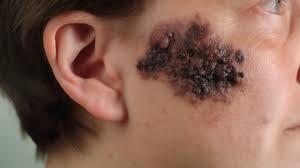
The skin protects the body from the environment. When skin cells are repeatedly damaged — especially by ultraviolet (UV) rays from the sun or tanning devices — abnormal changes can occur. Over time damaged cells grow uncontrollably. A cancerous growth or mole may develop. Some cancers grow slowly, while others spread more quickly
Skin cancer usually develops in areas exposed to sunlight, but it can occur anywhere on the body. The most common types are basal cell carcinoma, squamous cell carcinoma and melanoma.
Why is this condition important?
Skin cancer is one of the most common cancers worldwide. When detected early, many skin cancers can be treated successfully.
However, if left untreated:
- Cancer may grow deeper into the skin
- It may spread to other parts of the body
- Serious complications can occur, especially with melanoma
Early diagnosis and treatment greatly improve outcomes.
Who is commonly affected?
Skin cancer can affect anyone, but the risk is higher in:
- People with fair skin
- Individuals with frequent sun exposure
- People with history of sunburns
- Outdoor workers
- Individuals with family history of skin cancer
According to the World Health Organization (WHO), millions of cases of skin cancer are diagnosed globally each year, and excessive ultraviolet (UV) exposure is a major preventable cause.In India, around 7-8 people suffer from melanoma per million individuals.
Why it Happens
Skin cancer develops mainly because of damage caused by ultraviolet (UV) radiation.
Common causes and risk factors include:
- Excessive sun exposure
- Frequent sunburns
- Tanning beds or sunlamps
- Fair skin or light-colored eyes
- Family history of skin cancer
- Weak immune system
- Increasing age
- Exposure to certain chemicals or radiation
Repeated UV damage over many years increases the risk of abnormal skin cell growth.
Signs and Symptoms
Skin cancer may appear differently in different people.
Common warning signs
- A new mole or skin growth
- A sore that does not heal
- Change in size, color, or shape of a mole
- Bleeding or crusting skin lesion
- Itching or painful skin patch
- Dark or irregular-looking mole
ABCDE warning signs for melanoma
Doctors often use the ABCDE rule:
- A – Asymmetry: One half looks different from the other
- B – Border: Irregular or uneven edges
- C – Color: Multiple or uneven colors
- D – Diameter: Larger than about 6 mm
- E – Evolving: Changing in size, shape, or color
Diagnosis and Investigations
Doctors diagnose skin cancer through skin examination and testing.
Common tests
Physical Skin Examination
The doctor examines suspicious moles or skin changes.
Dermoscopy
A special magnifying tool may be used to look closely at the skin lesion.
Skin Biopsy
A small sample of skin is removed and examined under a microscope. This is the main test used to confirm skin cancer.
Imaging Tests
In some advanced cases, scans such as CT, MRI, or PET scans may be needed to check if cancer has spread.
Treatment Options
Treatment depends on:
- Type of skin cancer
- Size and depth
- Location on the body
- Whether it has spread
Surgery
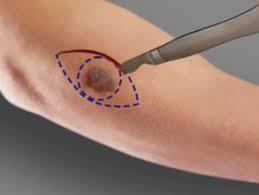
Most skin cancers are treated by removing the abnormal tissue.
Procedures may include:
- Simple surgical removal
- Mohs surgery (special layer-by-layer removal)
- Cryotherapy (freezing treatment)
Other Treatments
Depending on the cancer type, doctors may recommend:
- Radiation therapy
- Chemotherapy
- Immunotherapy
- Targeted therapy
- Topical creams for very early cancers
Lifestyle and Self-care
Patients are advised to:
- Protect skin from sunlight
- Use sunscreen regularly
- Avoid tanning beds
- Perform regular skin self-checks
Myths and Facts
Only fair-skinned people get skin cancer
Skin cancer can affect people of all skin tones
Skin cancer only occurs in older adults
Young adults can also develop skin cancer
A painless mole is harmless
Some dangerous skin cancers may not cause pain
Sunscreen is only needed on sunny days
UV rays can affect skin even on cloudy days
Frequently Asked Questions (FAQs)
Is skin cancer curable?
Many skin cancers can be cured if detected and treated early.
Is melanoma dangerous?
Yes. Melanoma can spread to other organs if not treated promptly.
Can skin cancer return?
Yes. Some patients may develop recurrence or new skin cancers later.
How often should I check my skin?
Monthly self-checks and regular doctor visits are recommended for high-risk individuals.
Does sunscreen completely prevent skin cancer?
Sunscreen reduces risk but should be combined with other sun-protection measures.
Speak to a cancer care specialist
Get an expert opinion and a personalised treatment plan at Sterling Hospitals.