

What is Thyroid Cancer?
What is Thyroid Cancer?
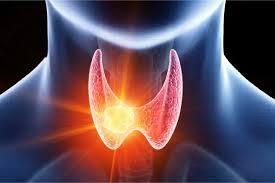
Thyroid cancer develops when abnormal cells grow uncontrollably in the thyroid gland. The thyroid is a small butterfly-shaped gland located in the front of the neck.
The thyroid produces hormones that help control:
- Metabolism
- Energy levels
- Heart rate
- Body temperature
The most common types of thyroid cancer are:
- Papillary thyroid cancer
- Follicular thyroid cancer
- Medullary thyroid cancer
- Anaplastic thyroid cancer (rare and aggressive)
Why is this condition important?
Many thyroid cancers grow slowly and can often be treated successfully, especially when detected early.
However, if untreated:
- Cancer can spread to nearby lymph nodes or other organs
- Breathing or swallowing problems may occur
- Advanced disease may become difficult to treat
Early diagnosis and proper treatment usually lead to very good outcomes in many patients.
Who is commonly affected?
Thyroid cancer is more common in:
- Women
- Adults between 30–60 years
- People with family history of thyroid cancer
- Individuals exposed to radiation, especially during childhood
According to the World Health Organization (WHO), thyroid cancer ranks 7 most common cancers globally. In India, thyroid cancer affects about 4 to 5 people out of every 100,000 people.
Why it Happens
The exact cause of thyroid cancer is not always known, but certain factors can increase risk.
Common risk factors include:
- Exposure to radiation
- Family history of thyroid cancer
- Certain inherited genetic conditions
- Female gender
- Increasing age
- Long-standing thyroid nodules (in some cases)
Most thyroid nodules are non-cancerous, but evaluation is important to rule out cancer.
Signs and Symptoms
The first sign of thyroid cancer is usually a painless lump in your neck. It’s called a thyroid nodule. But don’t panic if you feel one. Most nodules aren’t cancer. Only about 1 out of 10 thyroid nodules turns out to be cancerous. Many thyroid cancers are discovered during routine examinations or scans.
Common symptoms
- Lump or swelling in the neck
- Hoarseness or voice changes
- Difficulty swallowing
- Neck discomfort
- Enlarged lymph nodes in the neck
Warning signs needing medical attention
- Rapidly growing neck swelling
- Difficulty breathing
- Persistent hoarseness
- Pain in the neck or throat
- Trouble swallowing worsening over time
Some patients may have no symptoms initially.
Diagnosis and Investigations
Doctors use physical examination and specialized tests to diagnose thyroid cancer.
Common tests
- Neck Examination: Doctor checks for thyroid swelling or enlarged lymph nodes.
- Ultrasound of the Neck: Uses sound waves to examine thyroid nodules and nearby lymph nodes.
- Fine Needle Aspiration (FNA) Biopsy: A thin needle is used to collect cells from the thyroid nodule for testing.
- Blood Tests: May include thyroid hormone tests and other markers.
- CT Scan / MRI: Sometimes used to evaluate spread of cancer.
- Radioactive Iodine Scan: Used in selected patients to assess thyroid tissue and cancer spread.
What patients should expect
Most thyroid ultrasounds and blood tests are painless. Needle biopsy is usually a quick outpatient procedure performed with minimal discomfort.
These tests help determine:
- Whether the nodule is cancerous
- The type of thyroid cancer
- Whether it has spread Top of Form
Treatment Options
Treatment depends on:
- Type of thyroid cancer
- Cancer stage
- Tumor size
- Patient health
Surgery
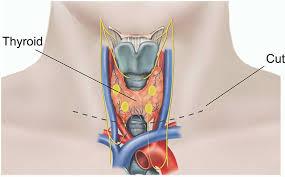
Surgery is the main treatment for many thyroid cancers.
Procedures may include:
- Removal of part of the thyroid (lobectomy)
- Removal of the entire thyroid gland (thyroidectomy)
- Removal of affected lymph nodes
Radioactive Iodine Therapy
Some patients receive radioactive iodine after surgery to destroy remaining thyroid cancer cells.
Thyroid Hormone Therapy
After thyroid removal, patients usually need lifelong thyroid hormone tablets.
These medicines:
- Replace missing thyroid hormones
- Help reduce risk of cancer recurrence
Radiation Therapy and Chemotherapy
Used less commonly, mainly in advanced or aggressive cancers.
Targeted Therapy
Some advanced thyroid cancers may be treated with medicines targeting specific cancer cell changes.
Living with Thyroid Cancer
Long-term Monitoring
Regular follow-up is important to:
- Monitor hormone levels
- Detect recurrence early
- Adjust thyroid medicine doses
Patients may need:
- Blood tests
- Ultrasound scans
- Radioactive iodine monitoring (in selected cases)
Daily Self-care Tips
- Take thyroid medicine regularly
- Attend follow-up appointments
- Maintain healthy diet and activity
- Report new symptoms promptly
Emotional Support
Cancer diagnosis and lifelong medication needs may cause stress or anxiety. Support groups and counseling may help.
Lifestyle & Prevention
There is no guaranteed way to prevent thyroid cancer, but some measures may help reduce risk.
Healthy habits
- Getting preventive screening
- Taking potassium iodide
Early evaluation of thyroid nodules improves chances of early diagnosis and successful treatment.
When to Contact a Doctor
Call your healthcare provider if you notice signs that the cancer has come back after treatment. Usually, blood work detects signs of recurrence. But you may notice new neck swelling or enlarged lymph nodes.
Myths and Facts
Every thyroid lump is cancer
Most thyroid nodules are non-cancerous
Thyroid cancer always causes severe symptoms
Many patients have mild or no symptoms initially
Thyroid cancer is always aggressive
Many thyroid cancers grow slowly and are highly treatable
Surgery always affects speaking permanently
Most patients recover normal speech after treatment
Frequently Asked Questions (FAQs)
Is thyroid cancer curable?
Many thyroid cancers have very high cure rates, especially when diagnosed early.
Will I need lifelong medicines after surgery?
If the entire thyroid is removed, lifelong thyroid hormone tablets are usually needed.
Is thyroid biopsy painful?
Fine needle aspiration biopsy is generally quick and causes minimal discomfort.
Can thyroid cancer spread?
Yes. Some thyroid cancers can spread to lymph nodes or other organs if untreated.
Are all thyroid nodules cancerous?
No. Most thyroid nodules are benign (non-cancerous).
Speak to a cancer care specialist
Get an expert opinion and a personalised treatment plan at Sterling Hospitals.