

A progressive brain condition causing memory loss, confusion and decline in thinking and daily function.
Overview of Alzheimer’s disease
Alzheimer's disease is the most common cause of dementia (a condition where a person's brain slowly stops working properly). It is a brain disease that gradually damages and destroys brain cells over time. Because of this damage, a person slowly loses important brain functions such as memory, thinking ability and language skills.
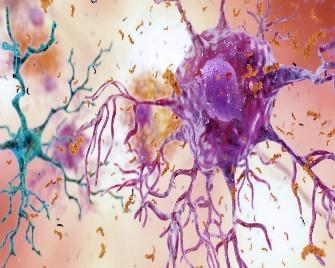
Around 24 million people globally are living with the disease. It is more common in older adults, and about 1 in 10 people above the age of 65 may have it.
Signs and symptoms
Alzheimer's disease affects each person differently, but it mainly causes a gradual decrease in important brain functions such as memory, thinking, language, behaviour and coordination. People may not always notice these changes themselves; family members often observe them first.
Symptoms usually worsen over time and include:
- Memory loss: Difficulty remembering recent events, names, faces or familiar places
- Poor thinking and judgment: Trouble making decisions, planning or following steps in tasks like cooking
- Language problems: Difficulty speaking, understanding, reading or finding the right words
- Behaviour and mood changes: Increased irritability, confusion, suspicion, mood swings or unusual behaviour
- Difficulty with coordination and space awareness: Trouble judging distance, bumping into objects or difficulty doing fine tasks like writing or buttoning clothes
These symptoms are more serious than normal age-related forgetfulness and tend to gradually get worse over time.
Causes of Alzheimer’s disease
The exact cause of Alzheimer's disease is still not fully known, but several factors can increase the risk of developing it:
- Age: It is the biggest risk factor. Risk increases after 65 and doubles every 5 years. A small number of people (about 1 in 20) develop it before 65, known as early-onset Alzheimer’s.
- Family history: Having close relatives with Alzheimer’s may slightly increase risk. In rare cases, it can be strongly inherited due to specific genes.
- Down’s syndrome: People with Down’s syndrome (a genetic condition a person is born with that affects physical and learning development) have a higher risk due to genetic changes that can lead to abnormal protein buildup in the brain.
- Head injury: Severe head injuries can lead to Alzheimer’s disease
- Heart and lifestyle factors: Conditions like high blood pressure, diabetes, obesity, smoking, high cholesterol and an unhealthy lifestyle
- Other possible factors: Hearing loss, long-term depression, loneliness, social isolation and lack of physical activity
Complications of Alzheimer’s disease
The main complication of Alzheimer's disease is progressive brain damage, which can permanently affect memory, thinking, movement and personality. As the disease worsens, it may lead to serious health problems such as:
- General decline in physical health
- Infections like pneumonia or skin infections
- Seizures
- Difficulty breathing or swallowing
Over time, patients may also lose control over body functions, increasing the risk of:
- Bedsores
- Dehydration and poor nutrition
- Falls and fractures
- Urine or bowel leakage
- Dental problems such as tooth decay and cavities
Diagnosis
Healthcare providers diagnose Alzheimer’s disease using several methods. The process usually begins with a discussion about your current health and medical history.
The doctor will speak to family members or caregivers to better understand your symptoms, overall health and daily routine. You should inform your doctor if you are aware of any risk factors linked to Alzheimer’s disease. Family members may also be asked whether they have noticed any changes that you may not recognise yourself. The doctor may ask about:
- Ability to carry out everyday activities
- Changes in mood, behavior or personality
- Medicines you are currently taking
- Medical history
- Overall health
The doctor will also perform a complete physical and neurological examination to rule out other conditions that may cause similar symptoms, such as memory problems or confusion.
Additional tests may include:
- Blood tests
- Brain magnetic resonance imaging (MRI)
- Cognitive or memory tests
- Computed Tomography scan (CT scan)
- Positron emission tomography scan (PET scan)
- Mental health and psychiatric evaluations
After diagnosis
Confirming a diagnosis of Alzheimer's disease may require several doctor visits and tests over a period of weeks or months, although in some cases it can be diagnosed sooner. Adjusting to a diagnosis of dementia can take time for both the patient and their family. Some people prefer to learn more about the condition and plan ahead early, while others may need more time to emotionally process the diagnosis. Talking with family members, friends or support groups can be helpful during this time. Since Alzheimer’s disease gradually worsens over time, it is often important to begin planning future legal, financial and healthcare decisions soon after diagnosis.
Treatment of Alzheimer’s Disease
There is currently no cure for Alzheimer’s disease, but treatments can help manage symptoms and improve quality of life. Support for patients and caregivers is also an important part of care.
Doctors may prescribe medicines to temporarily improve memory, thinking, and daily functioning.
Medicines help brain cells communicate better. Commonly used medicines include:
- Donepezil
- Galantamine
- Rivastigmine
They are mainly used in early to moderate stages of Alzheimer’s disease. Rivastigmine may also be given as a skin patch. Possible side effects can include nausea, vomiting, and loss of appetite, which usually improve after a few weeks.
Memantine is another medicine used for moderate to severe Alzheimer’s disease. It works by regulating certain brain chemicals involved in memory and learning. It may be prescribed alone or along with other medications. Temporary side effects may include headache, dizziness or constipation.
Treatment for behavior and mood changes
In later stages, some patients may develop symptoms such as:
- Anxiety or agitation
- Aggressive behaviour
- Wandering
- Delusions or hallucinations
If supportive approaches are not enough, doctors may prescribe medicines such as antipsychotics or antidepressants for severe symptoms. These medicines are used carefully because they can have side effects.
Therapies and supportive activities
Medicines are only one part of treatment. Activities and therapies can also help patients stay mentally active and improve their well-being. Some of them are as follows:
- Cognitive stimulation therapy: Group activities and exercises designed to support memory, thinking, and problem-solving skills
- Cognitive rehabilitation: Patients work with trained professionals to improve daily living skills and achieve personal goals, such as using a phone or managing simple tasks
- Reminiscence and life story activities: Talking about past memories using photographs, music or personal items can improve mood and emotional well-being
Prevention
Some risk factors for Alzheimer's disease, such as age and genetics, cannot be changed. However, maintaining a healthy lifestyle may help reduce the risk and support brain health.
You can help protect your brain by:
- Eating a healthy and balanced diet
- Staying physically active through activities like walking, gardening, cycling or exercise
- Keeping your mind active with reading, puzzles, games, music or learning new skills
- Staying socially connected by spending time with family, friends, or participating in community activities
If Alzheimer’s disease runs in your family, you can also speak with your doctor about genetic testing and counseling to better understand your risk.
When to contact a doctor?
Consult a doctor if you or a loved one notices problems with memory, thinking or daily activities. A doctor can help identify whether these symptoms are caused by Alzheimer's disease or another medical condition. After diagnosis, regular follow-up visits are important. Your doctor will monitor how the condition is progressing and make changes to the treatment plan when needed.
Frequently Asked Questions
Does Alzheimer's disease occur in younger adults?
Yes, Alzheimer's disease can also occur in younger adults, including people in their 30s, 40s or 50s. However, it is more commonly diagnosed in people over the age of 65.
If a member of my family has Alzheimer's disease, am I at increased risk for developing it?
Having a family member with Alzheimer's disease may slightly increase your risk, but it does not mean you will definitely develop the disease.
There are two main types of Alzheimer’s disease:
Familial Alzheimer’s disease: A rare inherited form that usually develops at a younger age and can affect several family members across generations
Sporadic Alzheimer’s disease: The most common type, which does not follow a clear inheritance pattern and is linked to a combination of age, lifestyle, and other risk factors
Most Alzheimer’s cases are sporadic and increasing age remains the biggest known risk factor.
What is the life expectancy of a patient with Alzheimer's disease?
Alzheimer's disease affects each person differently. Many people over the age of 65 may live for around 4 to 8 years after diagnosis, while some, especially those diagnosed at a younger age, may live much longer. Doctors can help patients and families understand what to expect, set realistic goals and plan future care, including when supportive or hospital care may be needed.
Myths & Facts
1. Memory loss is a natural part of ageing
Occasional forgetfulness can be a normal part of ageing, but Alzheimer's disease is more serious than normal memory loss. It is a brain disease that damages brain cells over time, leading to problems with memory, thinking and daily activities. Some memory problems may also be caused by medicines, vitamin deficiencies or other treatable conditions. Consult a doctor if memory or thinking changes become concerning.
Certain medications cause an increased risk of Alzheimer's disease
There is currently no strong proof that medicines directly cause Alzheimer's disease. Some studies have suggested a possible link between certain medicines and memory problems, but this has not been clearly proven. If you are worried about your medicines or memory changes, speak with your doctor.
Getting diagnosed isn't important because there are no treatments for Alzheimer's disease.
Answer: Current treatments cannot cure Alzheimer's disease, but some newer medicines may help slow the progression of the disease in its early stages. Other medicines can temporarily improve symptoms like memory loss and confusion. Early diagnosis is important because it allows patients to benefit from available treatments, plan for the future and access additional support and care options.
Speak to a neurology specialist
Get an expert opinion and a personalised treatment plan at Sterling Hospitals.
