

A minimally invasive procedure using a small skull opening to drain fluid or blood pressing on the brain.
Overview of the Condition
What is subdural haematoma?
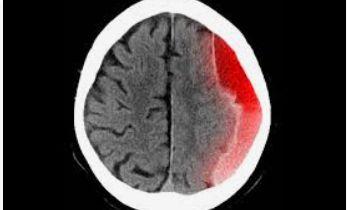
Why is it important?
It is important to identify subdural hematoma is important because bleeding inside the head can increase pressure on the brain and become life-threatening. Early diagnosis and treatment can help prevent serious complications such as brain damage, paralysis, or loss of consciousness. Even mild head injuries, especially in older adults, should not be ignored if symptoms develop later.
Who is commonly affected?
- Older adults and babies are more likely to develop bleeding in the brain after even a minor head injury
- Sports such as football, rugby, or snowboarding increase the chance of head trauma
- Use of blood-thinning medicines can increase bleeding risk after an injury
- Bleeding disorders such as haemophilia make it harder for the blood to clot normally
- Excess alcohol can affect liver function and reduce the body’s ability to stop bleeding
Symptoms
- Headache
- Nausea or vomiting
- Drowsiness or feeling very sleepy
- Confusion or memory problems
- Difficulty speaking or walking
- Weakness or numbness in the arms or legs
- Changes in vision
- Seizures
- Loss of consciousness
Diagnostic tests and Procedures
- Craniotomy: A part of the skull is temporarily removed to remove the blood clot
- Burr hole surgery: Small holes are made in the skull to drain the collected blood
Procedure Overview and Preparation
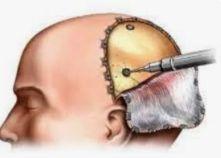
Burr holes are small openings made in the skull to help drain blood or fluid and reduce pressure on the brain. They are commonly used when bleeding inside the head occurs after a head injury. Removing the collected blood helps prevent damage to the brain and can be life-saving.
Procedure Overview
Step-by-step
- Your heart rate and blood pressure will be monitored during the procedure
- Hair in the treatment area may be trimmed
- The scalp is numbed with medicine
- A small cut is made in the scalp
- One or more small holes are made in the skull
- The collected blood or fluid is drained to reduce pressure on the brain
- A temporary drain may be placed before the wound is closed
Time required
- 1-2 hours
Risks, Benefits and Hospital Stay
Risks and Complications
- Bleeding
- Infection
- Blood clots
- Injury to the brain
- Heart attack or stroke
- Problems related to anesthesia
- Symptoms may continue and further surgery may be needed
Benefits
- Helps reduce pressure on the brain caused by bleeding or fluid buildup
- Drains collected blood or fluid to prevent further brain damage
- Can relieve symptoms such as headache, confusion, or weakness
- May be life-saving in emergency situations involving brain swelling or bleeding
Duration of Hospital Stay
- About a week
When to Contact a Doctor
Contact your doctor immediately if you have:
- Fever or signs of infection around the wound
- Severe headache or worsening pain
- Confusion, drowsiness, or changes in behavior
- Weakness, numbness, seizures, or difficulty speaking
- Drainage, swelling, or bleeding from the surgical site
Myths & Facts
Burr hole surgery is the same as major brain surgery.
Burr hole surgery uses small openings in the skull to drain blood or fluid and reduce pressure on the brain.
Burr holes may be used after several accidents.
They may also be used for conditions such as subdural hematoma, hydrocephalus, or brain infections.
Recovery is always very long
Recovery time depends on the patient’s condition, and many patients improve once pressure on the brain is relieved.
Burr hole surgery causes permanent brain damage.
The procedure is done to protect the brain and help prevent further damage from pressure buildup.
Frequently Asked Questions
What is burr hole surgery?
Burr hole surgery involves making small holes in the skull to drain blood or fluid and reduce pressure on the brain.
Why is burr hole surgery done?
It is done to treat conditions such as bleeding in the brain, fluid buildup, or increased pressure inside the skull.
How long does the procedure take?
The surgery usually takes about 1–2 hours, depending on the condition being treated.
How long is the hospital stay after surgery?
Most patients stay in the hospital for about 2–7 days, depending on recovery and overall health.
Speak to a neurology specialist
Get an expert opinion and a personalised treatment plan at Sterling Hospitals.
