

A test that records the brain's electrical activity to help diagnose seizures and other conditions.
Overview of the Condition
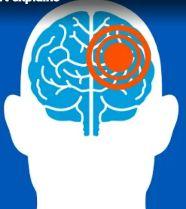
Epilepsy is a condition in which a person experiences repeated seizures due to abnormal electrical activity in the brain. Seizures can present in different ways, such as brief staring spells, jerking movements, or loss of awareness. Treatment usually involves medications and, in some cases, surgery to help control seizures.
Causes / Why It Happens
Epilepsy is a major health issue impacting a considerable population in India. It may be linked to family history or genetic factors. Head injuries, brain tumors, stroke, or brain infections can cause epilepsy. Problems before birth, such as lack of oxygen or infection, may increase the risk Epilepsy may also be seen in people with conditions such as autism or attention difficulties
Signs and Symptoms
- Short-term confusion
- Staring spells
- Stiff muscles
- Jerking movements of the arms and legs
- Loss of consciousness
- Symptoms such as fear, anxiety, or déjà vu
Diagnostic tests
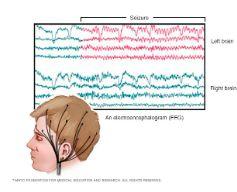
- EEG (Electroencephalogram): Records the electrical activity of the brain and helps identify seizure activity
- CT scan: Uses X-rays to detect brain abnormalities such as tumours, bleeding or cysts
- MRI scan: Provides detailed brain images to identify structural causes of epilepsy
What is EEG?
An EEG is a test that records the electrical activity of the brain using small electrodes placed on the scalp. It is commonly used to help diagnose epilepsy and seizures, and may also be used to evaluate brain injuries, stroke, infections, sleep disorders, and other brain conditions.
Preparation Guidelines
- Take your usual medicines unless advised otherwise by your healthcare team.
- Wash your hair before the test and avoid using hair products such as oils, sprays, or gels
- For a sleep EEG, you may be asked to reduce or avoid sleep before the test
- If a sedative is given, arrange for someone to drive you home after the test
Step-by-step
- A technician places small electrodes on the scalp to record brain activity
- During the test, you will relax comfortably, usually with your eyes closed
- You may be asked to open and close your eyes, breathe deeply, read, or look at flashing lights
- Video recording may also be done to help correlate body movements with brain activity
Time required
- 20-40 minutes
Risks and benefits
Risks
- EEG is a safe and painless test
- In some cases, seizures may be intentionally triggered during the test to help diagnose epilepsy
Benefits
- Helps diagnose epilepsy and other seizure disorders by detecting abnormal brain activity
- Assists in identifying other brain conditions such as brain tumors, stroke, head injury, and sleep disorders
- Helps monitor brain activity in unconscious patients or during anesthesia
Myths & Facts
EEG is painful.
EEG is a safe and painless test.
EEG gives electrical shocks to the brain
EEG only records brain activity; it does not send electricity into the brain.
EEG is only used for epilepsy.
EEG can also help evaluate stroke, brain injury, sleep disorders, infections, and other brain conditions.
A normal EEG always rules out epilepsy.
Some people with epilepsy may still have a normal EEG between seizures.
Frequently Asked Questions
What is an EEG?
It is a test that records the electrical activity of the brain using small electrodes placed on the scalp.
How long does an EEG take?
A routine EEG usually takes about 20–40 minutes, although some tests may take longer.
Do I need to prepare for an EEG?
Yes. Patients are usually advised to wash their hair before the test and avoid using hair products. Some sleep EEGs may require reduced sleep before testing.
Is EEG safe?
Yes. EEG is generally safe and painless, and medical staff are present throughout the procedure.
Speak to a neurology specialist
Get an expert opinion and a personalised treatment plan at Sterling Hospitals.
