

A clot-dissolving medicine given through a vein to restore blood flow during an acute ischaemic stroke.
Overview of the Condition
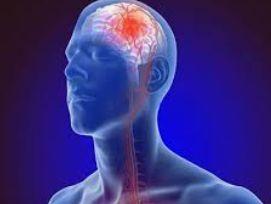
An ischaemic stroke happens when a blood clot blocks the blood supply to part of the brain. Without enough oxygen and nutrients, brain cells can start to die within minutes. It is the most common type of stroke and can affect speech, movement, memory or vision depending on the area of the brain involved. Immediate medical treatment is very important to reduce brain damage and improve recovery.
Why is it important?
The incidence of stroke ranges from 20-60% in Indian population. Early treatment for an ischaemic stroke is important because brain cells can begin to die within minutes when blood flow is blocked. Prompt medical care can help restore blood flow, reduce brain damage and improve recovery.
Who is commonly affected?
Ischaemic stroke commonly affects people with:
- Age >65 years
- Smoking or tobacco/nicotine use
- High blood pressure
- High cholesterol
- Type 2 diabetes
- Alcohol use disorder
- Higher risk in Black individuals
Symptoms
- Weakness or paralysis on one side of the body
- Difficulty speaking or slurred speech
- Sudden vision problems
- Dizziness, loss of balance or coordination
- Confusion or memory problems
- Severe sudden headache
- Nausea or vomiting
- Loss of consciousness or seizures
Treatment Options
IV thrombolysis: Clot-dissolving treatment given through a vein, usually within 4.5 hours of symptom onset
Thrombectomy: A procedure to remove the blood clot from the brain
Procedure Overview and Preparation
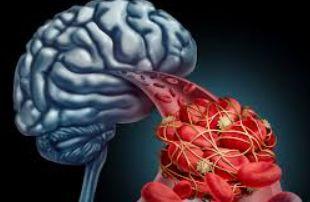
Fibrinolytic therapy is an emergency treatment used to dissolve blood clots that suddenly block blood flow. It helps restore circulation and reduce damage to organs such as the brain or heart. For the best results, treatment should be given as quickly as possible after a stroke.
Procedure Overview
Step-by-step
- A scan such as a CT or MRI is performed to confirm the blood clot
- Thrombolytic medicine is given through a vein or catheter to dissolve the clot and restore blood flow
- Further imaging may be used to check whether the clot is dissolving successfully
- In some cases, a mechanical thrombectomy is performed to physically remove the clot using a thin tube with a small suction device
Time required
- Few hours
Risks, Benefits and Hospital Stay
Risks and Complications
- Bleeding or internal bleeding
- Nose bleeds
- Blood in the urine or stool
- Heavy bleeding Low blood pressure
Benefits and Expected Outcomes
- Dissolves blood clots and restores blood flow
- Helps protect vital organs such as the brain, heart and lungs
- Reduces damage caused by stroke or heart attack
- Can improve recovery and survival when given early
Duration of Hospital Stay
- 1 day
When to Contact a Doctor
Contact your healthcare provider immediately if you develop:
- Excessive bleeding, pain or fever after treatment
Myths & Facts
Intravenous thrombolysis is a surgery
It is usually a medicine given through a vein to dissolve blood clots
It can be given at anytime after a stroke
It works best when given as early as possible
Everyone with a stroke can receive thrombolytic therapy
Eligibility depends on the type of stroke and medical condition
Recovery is immediate after treatment
Recovery time varies and further care or rehabilitation may still be needed
Frequently Asked Questions
What is intravenous thrombolysis therapy?
It is an emergency treatment used to dissolve blood clots and restore blood flow.
When is it used?
It is commonly used for ischaemic stroke, heart attack and some severe blood clots in the lungs.
How is the treatment given?
The medicine is usually given through a vein or catheter.
Are there any risks?
Yes. The main risk is bleeding, including rare but serious bleeding in the brain.
Speak to a neurology specialist
Get an expert opinion and a personalised treatment plan at Sterling Hospitals.
