

A recurring headache disorder causing intense, throbbing pain often with nausea and light sensitivity.
Overview
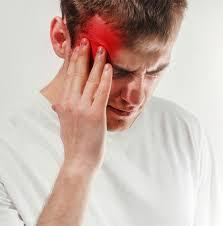
A migraine is a headache that can cause intense throbbing pain or a pulsing feeling, usually on one side of the head. It often happens with nausea, vomiting, and extreme sensitivity to light and sound. The headache phase of a migraine usually lasts at least four hours, but it can also last for days.
For some people, a warning symptom known as an aura occurs before or with a migraine. An aura can include visual changes, such as flashes of light or blind spots. The aura also can cause tingling on one side of the face or in an arm or leg and trouble speaking.
----------------------------------------------------------------------------------------------------------------------------------
How common is migraine in India?
- Affects around 28% of the population
- 213 million cases reported every year
----------------------------------------------------------------------------------------------------------------------------------
What are some of its causes?
- The exact cause is not yet understood
- Environmental factors and genetics thought to play a role
- Changes in the region of the brain that controls consciousness, breathing and sleep are also thought to cause migraines
What are some possible triggers of migraine?
- Hormonal changes
- Alcohol and caffeine
- Stress
- Sensory stimulus
- Sleep changes
- Physical stress
- Weather changes
- Certain medicines
- Food and certain additives in food
----------------------------------------------------------------------------------------------------------------------------------
Risk factors
- Migraines can begin at any age but mostly peak around the age of 30
- Close relative affected by migraine
- Women are 3x more likely to be affected
- Hormone changes (especially during menstrual periods)
Complications of migraines
- Status migrainosus: This is a debilitating migraine attack that lasts more than 72 hours.
- Persistent aura without infarction: This refers to an aura that persists for more than 1 week without causing a stroke
- Migrainous infarction: A rare but serious complication where a migraine headache (typically with aura) triggers an ischemic stroke
- Migraine aura-triggered seizure: This occurs during an attack of migraine with aura, where a seizure is triggered.
Symptoms of a migraine
- A migraine usually progresses through 4 stages. Not everyone who has migraines goes through all stages.
----------------------------------------------------------------------------------------------------------------------------------
Diagnosis
- A thorough review of your symptoms
- Blood tests
- Magnetic resonance imaging of your brain
----------------------------------------------------------------------------------------------------------------------------------
Treatment
- Pain killers
- Medicines to prevent migraine attacks

- Avoiding migraine triggers
What are the side effects of treatment?
- Medicine overuse headaches— often caused by taking painkillers too often
- Seen when painkillers are taken for >14 days/month
- Or when aspirin is taken with caffeine
- Leads to a bad cycle where a medicine causes headache and you take another painkiller
Lifestyle & Prevention
Recommended diet
- Eat more fruits and vegetables
- Choose whole grains such as oats and brown rice
- Include protein like eggs, fish, beans, and lentils
- Drink enough water
- Eat small meals if appetite is poor
- Limit processed and fried foods
Exercise tips
- Exercising can help with
- Reduce the severity and frequency of migraine attacks
- Reduce the duration of migraines
- Exercises that are good for migraine include:
- Aerobic exercises like walking, jogging, running and cycling
- Muscle strengthening exercises like yoga, pilates, weights
- Muscle relaxation and breathing exercises
- Balance training
Prevention
- Identify and prevent triggers
- Exercise regularly
- Get regular checkups
- Manage stress
- Take preventive medicines in cases where it is triggered by stressors like menstrual periods
When to contact a doctor?
- An abrupt, very bad headache like a thunderclap.
- Headache with a fever, stiff neck, confusion, seizures, double vision, or numbness or weakness in any part of the body. These symptoms could be a sign of a stroke.
- Headache after a head injury.
- A chronic headache that is worse after coughing, exertion, straining or sudden movement.
- New headache pain after age 50
Myths & Facts
It’s ok to “ride out” a migraine attack to avoid using medication
Under-treating migraine attacks can also cause symptoms to become more intense and can make things worse in the long run
Headaches without an aura phase are not migraine
You do not need to experience aura in order to get a diagnosis. There is no guarantee that each person will even go through all stages of a migraine attack. Around 25-30% of migraine patients suffer migraine without aura.
Migraine is a mental health disorder
While there are certainly connections between migraine and mental health, migraine is not a mental health disorder. Migraine is a disabling neurological disease that requires its own unique set of preventive and acute treatments to manage effectively
Frequently Asked Questions
Can certain foods be a trigger for migraine attacks?
Certain foods may appear to trigger migraine attacks for some people. Common food triggers people identify include cheese, red wine and chocolate. It can be helpful to keep a note in a headache diary to see if you notice any pattern. It’s also important to note that skipping meals, irregular eating, or a poor diet in general can all have a negative impact on migraine.
Can counselling and mindfulness techniques help with migraines?
Migraine can have a huge impact on wellbeing. Trying to find a treatment that works is very challenging for many people. This can add to feelings of anxiety and stress. Many people with migraine find emotional support helpful. This may include counselling, cognitive behavioural therapy (CBT) or other psychological approaches.
My migraine has got worse, and I am getting new symptoms. Is this normal?
It’s common for migraine to change over time. It often improves as you get older. But many people can experience a worsening of symptoms at some point in their lives, even with no obvious trigger. If you are concerned about changes to your symptoms, it‘s worth speaking to your GP to review your treatment plan.
Speak to a neurology specialist
Get an expert opinion and a personalised treatment plan at Sterling Hospitals.
