

Surgery to place a shunt that drains excess fluid from the brain to relieve pressure from hydrocephalus.
Overview of the Condition
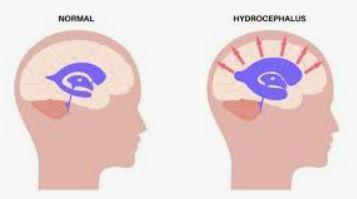
Hydrocephalus is a condition in which extra fluid builds up in the brain, causing increased pressure inside the head. This pressure can affect memory, walking, balance, thinking, and other body functions.
It may occur from birth or develop later due to blockage of fluid flow, head injury, stroke, or other brain conditions.
Why is it important?
Treating hydrocephalus early is important because increased pressure on the brain can damage brain tissue and affect thinking, memory, movement, balance, and vision. Early treatment may help prevent permanent brain damage and improve quality of life.
Who is commonly affected?
Following are commonly affected with hydrocephalus:
- Problems with brain development before birth
- Bleeding in the brain, especially in premature babies
- Infections during pregnancy, such as rubella or syphilis
- Brain or spinal cord tumours
- Brain infections such as meningitis or mumps
- Stroke or head injury causing bleeding in the brain
- Other brain injuries that affect fluid flow in the brain
Symptoms
- Headache
- Nausea or vomiting
- Sleepiness or irritability
- Enlarged head size in infants or young children
- Balance or coordination problems
- Blurred vision or unusual eye movements
- Poor feeding or poor appetite
- Seizures
Diagnostic tests and Procedures
- Endoscopic third ventriculostomy (ETV): A small opening is made in the brain to help fluid flow normally and reduce pressure
- Ventriculoperitoneal (VP) shunt surgery: A tube is placed in the brain to drain extra fluid to another part of the body, usually the abdomen
Procedure Overview and Preparation
What is VP shunt and why is it done?
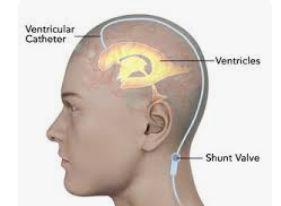
A VP (ventriculoperitoneal) shunt is a treatment used to remove extra fluid from the brain and reduce pressure inside the head. It involves placing a thin tube in the brain that drains the fluid to the abdomen, where the body absorbs it. VP shunts are commonly used to treat hydrocephalus.
Procedure Overview
Step-by-step
- Small cuts are made on the head and abdomen
- A small hole is made in the skull
- A thin tube is placed into the fluid-filled space in the brain
- Another tube is passed under the skin to the abdomen
- The tubes are connected to a small valve that controls fluid flow
- The doctor checks that the fluid drains properly
- The cuts are closed and covered with dressings
Time required
- 1-2 hours
Risks, Benefits and Hospital Stay
Risks and Complications
- Pain or soreness after surgery
- Bleeding in the brain
- Infection of the shunt
- Too little or too much fluid drainage
- Blockage or damage to the shunt tube
- Headaches, nausea, or vomiting
- Rarely, seizures or abdominal problems may occur
Benefits
- Helps drain extra fluid from the brain and reduce pressure inside the head
- May improve symptoms such as headache, walking problems, memory issues, and balance difficulties
- Helps prevent further brain damage caused by fluid buildup
- Can improve daily functioning and quality of life in people with hydrocephalus
Duration of Hospital Stay
- 2-4 days
When to Contact a Doctor
- Fever, chills, or signs of infection around the wound
- Swelling, redness, or fluid coming from the incision site
- Headache or seizures
- Blurred or double vision
- Increased sleepiness, irritability, or behavior changes
- Balance or walking problems
- Nausea, vomiting, or poor feeding
- In infants, enlarged head size or bulging soft spot on the head
Myths & Facts
A VP shunt cures hydrocephalus permanently
A VP shunt helps control excess fluid in the brain but may require lifelong monitoring and care.
VP shunt surgery is only for children.
VP shunts can be used in both children and adults with hydrocephalus.
Patients cannot live normal lives after VP shunt.
Many patients return to daily activities and have improved quality of life after treatment.
The shunt can never fail once placed.
Shunts can sometimes become blocked, infected, or need replacement over time.
Frequently Asked Questions
What is a VP shunt?
A VP shunt is a thin tube placed in the brain to drain extra fluid to the abdomen and reduce pressure in the brain.
Why is a VP shunt done?
It is done to treat hydrocephalus, a condition where extra fluid builds up in the brain.
How long does the surgery take?
VP shunt surgery usually takes about 1–2 hours.
How long is the hospital stay after surgery?
Most patients stay in the hospital for about 2–4 days, depending on recovery.
Speak to a neurology specialist
Get an expert opinion and a personalised treatment plan at Sterling Hospitals.
