

What is Commando surgery?
What is Commando surgery?
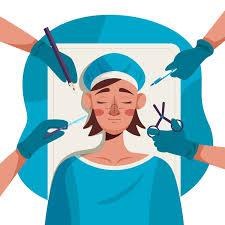
- A major surgery used to treat oral cancer
- Removes the tumor, affected jawbone, and neck lymph nodes
- Commonly done for cancers of the tongue, mouth floor, cheek, and jaw
- Reconstruction is often done after tumor removal
Why is Commando surgery done?
- To remove cancer completely s
- To reduce the chance of cancer spread or recurrence
- To remove affected lymph nodes in the neck
- To improve long-term cancer control
Which cancers may need Commando surgery?
- Oral squamous cell carcinoma (OSCC)
- Tongue cancer
- Floor of mouth cancer
- Buccal mucosa cancer
- Jaw-related oral cancers
What parts are removed during the surgery?
- Cancerous tissue in the mouth
- Part of the jawbone (mandible) if involved
- Neck lymph nodes
- Sometimes part of the tongue or nearby tissues
What is neck dissection?
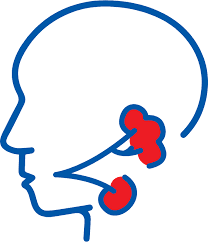
- Removal of lymph nodes from the neck
- Done to remove cancer spread in the neck region
- Helps reduce the risk of further metastasis
What is mandibulectomy?
- Surgical removal of part of the jawbone
- Done when cancer involves the mandible
- Helps achieve complete tumor removal
How is the tumor removed?
- Surgeons may use a “lip split” approach with a jaw cut
- Another method is the “pull-through” technique
- The tumor and lymph nodes are removed together
Will reconstruction be needed after surgery?
- Yes, reconstruction is commonly needed
- Free flaps are often used to rebuild tissues
- Reconstruction helps improve appearance and function
What are free flaps?
- Tissue moved from another body part
- Used to rebuild the mouth, jaw, or face
- Helps with speech, swallowing, and healing
What problems may happen after surgery?
- Difficulty speaking
- Trouble chewing or swallowing
- Loss of taste or appetite
- Dry mouth and tissue stiffness
- Facial disfigurement or scarring
What affects recovery after surgery?
- Size and spread of the cancer
- Structures involved by the tumor
- Type of reconstruction performed
- Overall health and nutrition
Who may need Commando surgery?
- Patients with advanced oral cancer
- Patients with lymph node involvement
- Patients whose tumors have not responded well to other treatments
What tests are done before surgery?
- Physical examination
- CT or MRI scans
- Biopsy
- Blood tests and medical evaluation
Who may not be suitable for surgery?
- Patients with poor overall health
- Severe heart, liver, or kidney disease
- Active infections
- Severe malnutrition
- Heavy smoking or alcohol use may increase risks
How should patients prepare for surgery?
- Follow fasting instructions
- Stop smoking if advised
- Discuss medications with the doctor
- Improve nutrition before surgery
- Attend all pre-surgery evaluations
What is the goal of Commando surgery?
- To remove all visible and microscopic cancer
- To improve survival
- To reduce recurrence risk
- To restore function as much as possible after reconstruction
Myths and facts
Commando surgery only removes the tumor.
The surgery may also remove part of the jawbone and neck lymph nodes if affected by cancer.
Patients cannot speak or swallow again after surgery.
Many patients improve with reconstruction, speech therapy, and rehabilitation.
Reconstruction after surgery is not possible.
Free flap reconstruction is commonly used to restore appearance and function.
Commando surgery is done only when no treatment options are left.
It is often an important curative treatment for selected oral cancer patients.
FAQs
Is Commando surgery a major surgery?
Yes, it is a complex major cancer surgery It may involve tumor removal and reconstruction
Will there be changes in appearance after surgery?
Some facial changes or scarring may occur Reconstruction helps improve appearance
Can patients eat normally after surgery?
Swallowing may be difficult initially Many patients improve with therapy and healing
Why is reconstruction important?
Helps restore speech, swallowing, and facial structure. Improves quality of life after surgery.
Speak to a cancer care specialist
Get an expert opinion and a personalised treatment plan at Sterling Hospitals.


