

“Head and neck cancer” refers to a group of cancers that begin in different areas of the head and neck. Most of these cancers start in squamous cells, which are the moist lining cells found in the mouth, throat (pharynx), voice box or nasal cavity.
Overview of the head and neck cancer
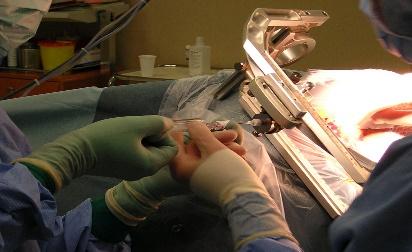
“Head and neck cancer” refers to a group of cancers that begin in different areas of the head and neck. Most of these cancers start in squamous cells, which are the moist lining cells found in the mouth, throat (pharynx), voice box or nasal cavity.
Causes of head and neck cancer
- Tobacco use
- Alcohol consumption
- Human papillomavirus infection
- Ultraviolet (UV) exposure (sun, tanning beds)
- Occupational exposure (wood dust, asbestos, formaldehyde, nickel, chemicals)
- Epstein–Barr virus infection
- Previous radiation therapy to the head or neck
- More common in men
- Higher risk in people over 50 years of age
Symptoms of head and neck cancer
In the mouth:
- Non-healing white or red sore
- Swelling of jaw
- Pain, bleeding or lump/thickening
- Denture problems
In the throat (pharynx):
- Trouble swallowing, chewing, speaking, or breathing
- Persistent throat pain or a feeling of something stuck
- Ear pain, ringing, or hearing issues
- Lump or thickening
In the voice box (larynx):
- Pain while swallowing
- Ear pain
In the sinuses/nasal cavity:
- Blocked sinuses that don’t improve
- Ongoing sinus infections not responding to antibiotics
- Nosebleeds
- Headache
- Pain or swelling around eyes
- Upper tooth pain
Treatment options
- Surgery
- Radiation therapy
- Chemotherapy
- Targeted therapy
- Immunotherapy
Overview of head and neck cancer surgery
Head and neck cancer surgery is done to remove the cancer completely. The type of surgery depends on the size, location and stage of the tumour. It may involve removing the tumour along with any nearby affected tissue and/or removing lymph nodes (small, bean-shaped glands in the body that help fight infection) in the neck.
Which conditions are treated with head and neck cancer surgery?
- Head and neck cancers treated by surgeons include:
- Oral cavity cancer: Affects the lips, tongue, gums, inner cheeks, floor of the mouth and the roof of the mouth
- Oropharyngeal (throat) cancer: Affects the back of the nose, middle and lower throat, tonsils, base of tongue and soft palate
- Laryngeal cancer: Affects the voice box (vocal cords) and epiglottis
- Nasal cavity and sinus cancer: Affects the nose area and air-filled sinuses
- Salivary gland cancer: Affects glands that produce saliva in the mouth and jaw area
- Thyroid cancer: Affects the thyroid gland in the neck, often treated with surgery
Procedure Overview & Preparation
Before procedure
Your care team will check your overall health to make sure you are fit for surgery, including how well your vital organs are working and any existing medical conditions. Imaging tests like magnetic resonance imaging (MRI), computed tomography (CT) or positron emission tomography (PET) scans may be done to locate the tumour and plan the surgery. A biopsy may also be performed to confirm the type and severity of the cancer.
During procedure
Oral resection surgery
These are of two main types and the procedure is as follows:
Transoral robotic surgery (TORS): It is a minimally invasive procedure (medical procedure done using small cuts or through natural openings) used to remove cancers of the throat and head and neck through the mouth, without external cuts or scars. The surgeon uses a robotic system with a camera and tiny instruments, providing a clear 3D view and highly precise movements in small, hard-to-reach areas. It is commonly used for early to intermediate stage cancers that are difficult to access with traditional surgery.
Transoral laser microsurgery (TLM): It is a procedure used to treat some throat and head and neck cancers using a laser to remove cancerous tissue through the mouth, without any external cuts. It is done under general anaesthesia, using a microscope for precise targeting, helping preserve healthy tissue and improving functions like speaking and swallowing. Compared to open surgery, TLM usually causes less pain, fewer scars and faster recovery with a shorter hospital stay. It is mainly used for early-stage cancers and sometimes for more advanced cases, depending on the situation.
Neck dissection
Neck dissection is surgery to remove lymph nodes from one or both sides of the neck. It helps doctors’ stage the cancer, remove any affected nodes and lower the chance of recurrence. Before surgery, tests are done to check if cancer has spread to the lymph nodes. However, even if scans are negative, a neck dissection may still be recommended for larger tumours because small cancer deposits may not always be detected.
It may be done:
- At the same time as surgery for the main tumour
- Before or after chemoradiation or radiotherapy if cancer remains in the nodes
- If cancer persists or returns in the lymph nodes after treatment
After procedure
TORS: After TORS, a short hospital stay is needed. Most people cannot eat by mouth for a few days after the procedure. The treated area usually heals on its own over a few weeks. Pain while swallowing and difficulty swallowing are common, but can be managed with medication. Swallowing problems typically improve within about two weeks.
Neck dissection: Your hospital stay depends on the type of operation you have. You may go home the same day or the next day. If you are discharged the same day, someone should take you home and stay with you for 24 hours due to the effects of general anaesthesia. Sometimes, you may need to stay in the hospital for up to 3 days.
Side effects
After a TORS, possible side effects may include:
- Breathing difficulty
- Bleeding
- Food or liquids entering the lungs
- Swallowing difficulties
After a neck dissection, possible side effects may include:
- Temporary weakness of the lower lip, usually improving in a few months
- Shoulder stiffness or reduced movement due to nerve effects
- Rare changes in tongue or voice due to nerve involvement
- Neck tightness or stiffness, which may worsen after radiotherapy
- Possible change in neck shape
Benefits
The benefits of TORS are as follows:
- Less invasive surgery
- No external scars
- Shorter hospital stay
- Lower risk of infection
- More precise tumour removal
- Fewer swallowing problems
- May reduce the need for chemotherapy or radiation
- Potentially less need for additional radiation therapy
The benefits of neck dissection are as follows:
- It helps doctors understand the stage of the cancer more accurately
- In many cases, this procedure reduces the chance of cancer returning and supports planning of additional treatments
- It may also help relieve symptoms like pain or pressure caused by swollen lymph nodes
Recovery
Recovery time varies from weeks to months, depending on the type of surgery and you may experience different side effects during this period. Some people recover faster than others, so it is important to take things slowly and avoid overexertion. Your healthcare team will guide you on recovery, including eating well, resting and gradually increasing activity with light exercise like walking.
- Driving: Your doctor will advise when it is safe to drive again. After neck surgery, it may take several weeks before you are fit to drive
- Other changes: Support is available for challenges after treatment, including changes in eating and drinking, speech and voice, appearance and sexual health or relationships
FAQs
How long does this procedure TORS, take?
Answer: TORS usually takes about 1.5 to 2 hours. If neck surgery is also done and time is needed to confirm complete removal of the disease, the total operating time is usually around 4 to 5 hours.
Where are the neck dissection incisions and how long is the recovery?
Answer: Cuts are usually made along the natural folds of the neck to help healing and reduce visible scarring. Early recovery generally takes a few weeks, while full improvement in movement and function may continue over several months with rehabilitation and exercises.
Can I eat normally after neck dissection surgery?
Answer: Eating and swallowing recovery is different for each person. After surgery, swallowing may feel difficult at first because the neck can feel tight and swollen. This is common. You will usually begin with clear liquids and slowly move to solid foods as you improve. Some people find it easier to swallow by tucking the chin toward the chest or eating softer, thicker foods like applesauce. It is important to watch for signs of food or liquids going into the airway, as this can lead to serious problems such as pneumonia.
Speak to a cancer care specialist
Get an expert opinion and a personalised treatment plan at Sterling Hospitals.


