

Radiation therapy is a cancer treatment that uses high-energy rays to destroy cancer cells or stop them from growing. It is one of the most commonly used cancer treatments and may be used alone or along with surgery and other cancer treatments, such as…
What is radiation therapy?
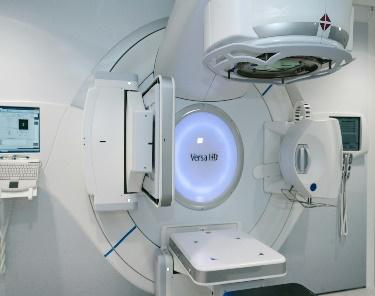
Radiation therapy is a cancer treatment that uses high-energy rays to destroy cancer cells or stop them from growing. It is one of the most commonly used cancer treatments and may be used alone or along with surgery and other cancer treatments, such as medicines that kill cancer cells (Chemotherapy) or help the body fight cancer (Immunotherapy).
Why is it important?
According to the World Health Organization (WHO), cancer is one of the leading causes of death worldwide and 1 in 6 deaths occurs due to cancer.
Radiation therapy is important because it can:
- Cure some cancers
- Shrink tumours before surgery
- Destroy cancer cells left after surgery
- Relieve symptoms in advanced cancer
Why does cancer happen?
Some factors that increase cancer risk include:
- Smoking or tobacco use
- Alcohol consumption
- Obesity
- Lack of physical activity
- Certain infections
- Family history of cancer
- Exposure to harmful chemicals or radiation
- Increasing age
Common signs and symptoms of cancer
- Unexplained weight loss
- Persistent tiredness
- A lump or swelling
- Bleeding that does not stop
- Difficulty swallowing
- Persistent cough
- Changes in bowel or bladder habits
- Severe or long-lasting pain
Treatment options for cancer
Cancer treatment depends on the type and stage of the disease. Common treatments include:
- Surgery
- Radiation therapy
- Chemotherapy
- Immunotherapy
- Hormone therapy
- Targeted therapy
Types of radiation therapy
There are two main types of radiation therapy: External beam radiation therapy (EBRT) and internal radiation therapy.
The type of radiation therapy recommended for you depends on several factors, such as:
- The type of cancer
- The size of the tumour
- The location of the tumour in the body
- How close the tumour is to healthy tissues that may be affected by radiation
- Your overall health and medical history
- Whether you are receiving other cancer treatments
- Other factors, including your age and existing medical conditions
EBRT
It uses a machine to direct radiation exactly at the cancer. It is a local treatment, meaning it targets only a specific area of the body. It is used to treat many types of cancer. There are several types of EBRT, which are as follows:
3-D conformal radiation therapy (3D CRT): This type of treatment uses computed tomography (CT) scans and computer technology to create a 3D image of the tumour. This helps the machine direct radiation accurately to the tumour while reducing damage to nearby healthy tissues.
Intensity-modulated radiation therapy (IMRT): Like 3D CRT, IMRT directs radiation beams toward the tumour from different angles. However, IMRT uses many smaller beams and can adjust the strength of each beam to deliver a higher dose to the tumour while reducing damage to nearby healthy tissues.
Image-guided radiation therapy (IGRT): During IGRT, repeated scans such as CT, magnetic resonance imaging (MRI) or positron emission tomography (PET) scans are performed during treatment to check the tumour’s size and position. These images help doctors adjust your body position or radiation dose if needed, improving treatment accuracy and protecting nearby healthy tissues.
Stereotactic radiosurgery (SRS): It uses highly focused, high-energy radiation beams to treat small tumours in the brain and central nervous system. It may be recommended when surgery is not safe because of a person’s age, other health conditions or when the tumour is difficult to reach with surgery. A highly focused dose of radiation is delivered exactly to the area where all the radiation beams meet.
Stereotactic body radiation therapy (SBRT): It is similar to stereotactic radiosurgery, but it is used to treat small tumours outside the brain and spinal cord, commonly in the lungs or liver. Since these tumours can move with normal body movements such as breathing or digestion, it is more challenging to target the radiation beams as precisely as in brain treatments.
Volumetric modulated arc therapy (VMAT): VMAT is a type of IMRT that delivers a high dose of radiation directly to the tumour while minimising exposure to nearby healthy tissues. During treatment, the machine rotates around the patient and continuously changes the shape and intensity of the radiation beams to precisely target the tumour. The radiation damages the DNA of cancer cells, leading to their destruction.
Internal radiation therapy
Internal radiation therapy is a treatment where a radiation source is placed inside the body. The radiation source may be solid or liquid. When a solid source is used, the treatment is called brachytherapy. In brachytherapy, small seeds, ribbons or capsules containing radiation are placed in or near the tumour. It targets only a specific area of the body. The radiation source remains in the body for a certain period and releases radiation to destroy cancer cells.
There are different types of brachytherapy based on how the radiation source is placed inside the body, which are as follows:
Interstitial brachytherapy: Radioactive needles or wires are placed directly into or near the tumour. The radioactive material may remain in the body permanently, be inserted and removed on the same day or stay in place for several days before removal.
Intracavitary brachytherapy: A special metal or plastic device called an applicator is placed inside body cavities such as the vagina, uterus or larynx (voice box). The radioactive source is inserted into the applicator to treat the tumour and nearby tissues. Once the required dose is delivered, the applicator and radioactive source are removed.
Intraluminal radiation therapy: Radiation is delivered inside hollow organs. For example, a specially designed tube or applicator may be placed inside the oesophagus to treat cancer.
Proton therapy
Proton therapy is an advanced and highly precise form of radiation treatment used for tumours. It delivers more focused radiation to the tumour while reducing damage to nearby healthy tissues. In this therapy, the proton beams damage the DNA of cancer cells, preventing them from repairing or forming new cells. As a result, the tumour stops growing and may gradually shrink.
Adaptive radiation therapy (ART)
It is an advanced type of radiation treatment that adjusts to changes in your body during the course of treatment. Unlike standard radiation therapy, which uses the same treatment plan throughout, adaptive radiotherapy uses imaging at each session to update the plan based on changes inside the body. This helps the care team target the tumour more accurately while reducing radiation exposure to nearby healthy organs.
Total body irradiation (TBI)
Total body irradiation is a type of radiation treatment that delivers low doses of radiation to the entire body. It is commonly used before a bone marrow or stem cell transplant. This treatment helps destroy cancer cells throughout the body, including those in hard-to-reach areas and may reduce the risk of transplant rejection.
Risks and side effects of radiation therapy
- Hair loss
- Appetite changes
- Mouth and throat changes
- Trouble swallowing
- Swelling
- Coughing
- Diarrhoea
- Nausea and vomiting
- Urinary and bladder changes
- Sexual changes
What happens before radiation therapy?
Before treatment, you will have a physical examination and imaging tests such as a CT scan. Your care team will explain how to prepare for the procedure. For EBRT, planning sessions called simulations are done to create the best treatment plan.
During simulation:
- You will lie in the treatment position and supports such as masks or molds may be used to help keep your body still. Small markings may be placed to identify the treatment area
- CT scans or MRI scans will be performed to locate the tumour accurately and guide precise radiation delivery
What happens during radiation therapy?
During EBRT, you will lie on a treatment table in the same position used during the simulation session. The machine will move around you without touching your body. The treatment itself is painless and you will not feel the radiation during the procedure.
In internal radiation therapy, anaesthesia is given to keep you comfortable during the procedure. The doctor places radioactive seeds or implants using a small tube. The radioactive treatment may also be given through an intravenous (IV) or as pills. The radiation targets cancer cells directly and your body may remain radioactive for a short time. Your care team will explain any precautions needed to protect others.
What happens after treatment?
Most people can continue their normal daily activities after EBRT. In internal radiation therapy, small amounts of radiation may leave the body through fluids such as sweat, saliva, blood and urine. You may need to stay in the hospital for 1–2 days until radiation levels decrease. There is also a small chance of exposing others to radiation. Your care team will explain safety precautions to follow.
Recovery
Everyone responds to treatment differently. Some people can continue their daily activities normally, while others may experience side effects such as tiredness or skin changes. Your care team will explain possible side effects and ways to manage them. Tell your care team if you experience severe or unexpected side effects. They may prescribe medicines to relieve symptoms or adjust your treatment plan if needed.
Myths and Facts
Myth 1: Radiotherapy is painful.
Fact: The treatment itself is painless and feels similar to having a CT scan. However, some people may experience side effects afterward, such as fatigue or skin irritation.
Myth 2: Radiotherapy is only for advanced cancer.
Fact: Radiotherapy can be effective in different stages of cancer, including early-stage disease and may be used to cure cancer, support other treatments or help relieve symptoms.
Myth 3: Radiotherapy is dangerous or always causes severe side effects
Fact: Modern radiotherapy is designed to precisely target cancer cells while minimising damage to healthy tissue. The treatment is generally safe and most side effects can be effectively managed.
Myth 4: Radiotherapy treatments are long or disruptive.
Fact: Each treatment session usually takes only a few minutes, although the full course of treatment may continue for several weeks. Many patients are able to continue their daily activities and work during treatment.
FAQs
Does radiation therapy always cause skin burns?
Most radiation treatments target tumours deep inside the body, so the skin receives very little radiation. As a result, most people do not develop skin burns. However, in cancers located closer to the skin, such as breast cancer or head and neck cancer, some people may experience skin changes like redness, darkening, peeling or, in some cases, blistering.
Will radiation therapy make me feel nauseous or sick?
Most radiation treatments do not cause nausea or an upset stomach. However, radiation directed at the abdomen or pelvis may irritate organs such as the stomach, liver, or intestines, which can lead to nausea. In such cases, medicines can help prevent or relieve these symptoms.
Can I take a break from treatment during my course of radiation therapy?
It is generally best not to miss or delay radiation sessions, as breaks may allow cancer cells time to grow again. If you experience severe side effects and feel unable to continue treatment, discuss this with your doctor.
Speak to a cancer care specialist
Get an expert opinion and a personalised treatment plan at Sterling Hospitals.


