

What is prostate and kidney cancer?
Overview of the Condition
What is prostate and kidney cancer?
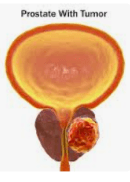
Prostate cancer is one of the most common cancers in men and originates in the prostate gland. It is often detected early and grows slowly, with treatment options including surgery, radiation therapy, or active surveillance. 1Advanced disease may be difficult to cure, but treatment can slow progression and improve survival.
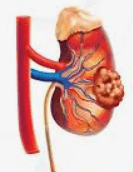
Kidney cancer originates in the kidneys, with renal cell carcinoma being the most common type in adults. It is increasingly detected incidentally through imaging techniques and is often diagnosed at an early, localized stage.
Why is it important?
Prostate cancer is seen in ~12% of patients in India, whereas kidney cancer accounts for ~30% of cases. Early identification is important, as cancer cells can invade surrounding tissues and spread to distant organs, leading to metastatic disease.
Causes / Why It Happens
Prostate and kidney cancers develop due to DNA changes that cause abnormal cell growth and survival, leading to uncontrolled accumulation of cancer cells.
Risk factors
Prostate Cancer Risk Factors
- Age >50 years
- Family history
- Inherited gene changes
- Obesity
- Smoking
- Chemical exposure
Kidney Cancer Risk Factors
- Older age
- Smoking
- Obesity
- Hypertension
- Inherited disorders
- Family history of kidney cancer
Symptoms
Prostate Cancer Symptoms
- Blood in urine or semen
- Increased urinary frequency
- Difficulty initiating urination
- Nocturia
- Urinary incontinence
- Back or bone pain
- Erectile dysfunction
- Fatigue, weight loss, and limb weakness in advanced disease
Kidney Cancer Symptoms
- Blood in urine
- Persistent side or back pain
- Loss of appetite
- Fatigue
- Unexplained weight loss
Treatment Options
Prostate cancer
- Radical prostatectomy: Surgical removal of the prostate gland to treat localized cancer.
- Radiation therapy: Uses high-energy radiation to destroy cancer cells.
- Active surveillance: Regular monitoring of low-risk cancer without immediate treatment.
- Hormone therapy: Reduces male hormones to slow the growth of advanced prostate cancer.
Kidney cancer
- Radical nephrectomy: Surgical removal of the entire kidney and surrounding tissues to treat localized kidney cancer
- Partial nephrectomy: Removal of the tumor while preserving the healthy part of the kidney
- Ablation therapy: Uses heat or cold energy to destroy small kidney tumors
- Targeted therapy/Immunotherapy: Uses medicines to block cancer growth or enhance the immune response against cancer
Tests before the surgery
Prostate cancer
- Prostate cancer screening commonly includes a prostate-specific antigen (PSA) blood test and digital rectal examination. Screening discussions are generally recommended around age 50, or earlier in individuals with higher risk factors such as family history
Kidney cancer
- Kidney cancer diagnosis includes blood and urine tests, imaging studies such as ultrasound, CT or MRI, and occasionally biopsy. Staging ranges from stage 1 (localized disease) to stage 4 disease with spread beyond the kidney or metastasis.
What is radical prostatectomy and radical nephrectomy and why is it done?
- Radical prostatectomy: Performed to remove localized prostate cancer and prevent disease progression or spread
- Radical nephrectomy: Performed to remove kidney cancer involving the entire kidney and surrounding tissues to achieve cancer control
Procedure Overview
Step-by-step
Radical prostatectomy:
- Removes the entire prostate gland and seminal vesicles for prostate cancer treatment
- Surrounding tissues such as lymph nodes and fat may also be removed
- The urethra is reattached to the bladder after prostate removal
- Can be performed as open or robotic-assisted surgery, including single-port approaches
Radical Nephrectomy:
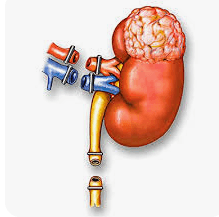
- Surgical access to the kidney through open, laparoscopic, or robotic approach
- Removal of the entire kidney
- Removal of surrounding structures such as the ureter, adrenal gland, or nearby lymph nodes if required
- Closure of the surgical incision after achieving bleeding control
Time required
- 2-4 hours
Risks, Benefits and Hospital Stay
Risks and Complications
Radical Prostatectomy Risks
- Bleeding and possible blood transfusion
- Infection, bruising (hematoma), blood clots, or seroma formation
- Urinary incontinence or urine leakage (urinoma)
- Dry orgasm and erectile dysfunction
- Penile shrinkage or lymphocele formation
Radical nephrectomy risks
- Bleeding
- Infection
- Injury to nearby organs
- Pneumonia after surgery
- Anesthesia-related complications
- Rare risk of kidney failure
Benefits and Expected Outcomes
Radical prostatectomy
- Prostatectomy helps treat prostate cancer and enlarged prostate
- It may improve urinary symptoms and reduce the need for long-term medications for enlarged prostate
Radical nephrectomy
- Removes kidney cancer or severely damaged kidney tissue
- Helps prevent cancer progression or spread
- Relieves pain, bleeding, or other kidney-related symptoms
- May improve overall kidney and urinary health with a healthy remaining kidney
Duration of Hospital Stay
- Radical prostatectomy: 1–3 days
- Radical nephrectomy: 2–5 days
Recovery, Lifestyle and Follow-up
Recovery and Aftercare
Radical prostatectomy:
- Most patients regain good urinary control within 6–12 weeks after prostatectomy
- Recovery may take up to 12–18 months after radical prostatectomy in some patients
- Pelvic floor therapy may be recommended for persistent urinary leakage
Radical nephrectomy:
- Avoid contact sports to reduce the risk of kidney injury
- Maintain a balanced diet with limited salt intake and adequate hydration
- Maintain a healthy weight through proper diet and regular exercise
When to Contact a Doctor
Radical prostatectomy:
- Seek medical attention for heavy bleeding, fever, wound infection, severe pain, urinary problems, or abnormal wound drainage
Radical nephrectomy:
- Fever or signs of infection
- Heavy bleeding or abnormal wound drainage
- Severe pain or swelling
- Difficulty urinating
- Shortness of breath or worsening general condition
Follow-up
Radical prostatectomy:
Radical prostatectomy:
- Schedule regular follow-up visits to monitor recovery and PSA levels after prostatectomy
Radical nephrectomy:
- Attend regular follow-up visits to monitor recovery, kidney function, and overall health
- Imaging tests and blood tests may be performed to assess the remaining kidney and detect recurrence if cancer was present
Myths and Facts
Myth 1: Radical prostatectomy is completely performed by a robot.
Fact: The surgeon performs and controls every step of the robotic-assisted radical prostatectomy procedure.
Myth 2: Radical prostatectomy removes only part of the prostate.
Fact: Radical prostatectomy removes the entire prostate gland and seminal vesicles.
Myth 3: Removing one kidney always causes kidney failure.
Fact: Most people live healthy lives with one functioning kidney.
Myth 4: Radical nephrectomy is always performed as open surgery.
Fact: It can also be performed using laparoscopic or robotic-assisted minimally invasive techniques.
FAQs
Why is radical prostatectomy done?
It is performed to treat prostate cancer by removing the entire prostate gland and surrounding cancerous tissue.
Can radical prostatectomy be performed robotically?
Yes, it can be performed using robotic-assisted minimally invasive surgery through small abdominal incisions.
Why is radical nephrectomy performed?
It is performed to remove kidney cancer or severely diseased kidneys.
Can a person live with one kidney after nephrectomy?
Yes, a single healthy kidney can usually perform normal body functions adequately.
Speak to a cancer care specialist
Get an expert opinion and a personalised treatment plan at Sterling Hospitals.


