

An abnormal growth of cells in or around the brain, which can be non-cancerous or cancerous.
Overview
What is a brain tumour?
A brain tumor is a growth of cells in the brain or near it. Nearby areas where brain tumours can happen include nerves, the glands around the brain, and the membranes that cover the surface of the brain.
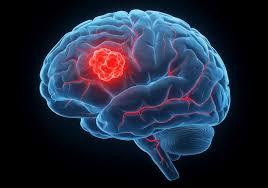
Brain tumours range in size from very small to very large. Some brain tumours are found when they are very small because they cause symptoms that you notice right away. Other brain tumours grow very large before they're found.
----------------------------------------------------------------------------------------------------------------------------------
How common are brain tumours in India?
- Affects around 2% of all Indians
- 12 most common cause of cancer-related deaths
----------------------------------------------------------------------------------------------------------------------------------
What are some types of brain tumours?
- Gliomas: Growth of tumour cells which occur on special cells which support nerve growth. Glioblastoma is the most common type of tumour in this category
- Choroid plexus tumour: These tumours that start in the fluid surrounding the brain and spinal cord
- Embryonal tumours: Most commonly seen in infants and young children. These develop from cells that remain in the brain in the birth
- Meningiomas: These occur in the membrane surrounding the brain. They are mostly non-cancerous
What are some of its causes?
- Tumours beginning in the brain are called primary brain tumours
- These usually occur due to changes in the DNA of the cells in the brain which causes them to grow uncontrollably.
- Why these changes develop is still not understood
----------------------------------------------------------------------------------------------------------------------------------
Risk factors
- Age: Most common in older adults
- Exposure to radiation
- Inherited diseases which can make a person more prone to these tumours
Brain tumours can often cause:
- Personality changes
- Depression
- Memory issues
- Tiredness
- Poor thinking skills
- Seizures
- Learning issues
- Vision problems
Symptoms
- Headache that’s wors in the mornings or happens frequently and severely
- Nausea/vomiting
- Balance problems
- Numbness
- Vision issues
- Speech problems
- Having trouble following simple commands
- Unwanted excessive weight gain
Cancerous brain tumours often worsen quickly while non-cancerous brain tumours develop slowly ---------------------------------------------------------------------------------------------------------------------------------
Diagnosis
- Review of your past health conditions and current symptoms
- Neurological exam to test your coordination, mental status, vision, reflexes and hearing
- Magnetic resonance imaging
- Taking a sample of your spinal fluid
- Sample of tissue of your brain
----------------------------------------------------------------------------------------------------------------------------------
Treatment
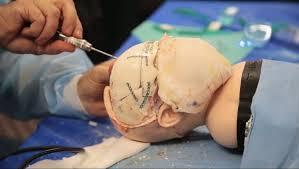
- Brain surgery
- Radiation therapy
- Chemotherapy
- Making your immune system stronger
Supportive Care
- Helps with
- Seizures
- Sleep issues
- Thinking and awareness
- Swallowing difficulties
- Self-esteem and body image issues
- Physical movement restrictions
What are the side effects of treatment?
- Swallowing problems
- Frequent infections
- Wet coughs

- Changes in behaviour
- Problems with balance and thinking
- Fever
- Headache
- Vomiting
- Swelling in certain areas (eg., areas of surgical cuts)
- Nausea or upset stomach
- Diarrhoea or constipation
Lifestyle & Prevention
Recommended diet
- Eat small, frequent meals
- Choose bland foods when coping with nausea or diarrhoea
- Eat more calorie-dense foods when coping with a lack of appetite
- Drink plenty of fluids
- Eat on a schedule
- Incorporate colorful fresh fruits and vegetables daily
- Try swapping foods around if experiencing taste and smell changes
- Add fiber in your diet
- Avoid acidic juices and oily, fried foods if constipated
Exercise tips
- Exercise helps
- Improve balance, flexibility, and strength
- Reduce fatigue during brain tumour treatment and boost mood
- Support better sleep and appetite
- Promote the brain’s ability to form new connections and adapt
- Tips
- Begin with small duration and gradualy increase over time
- Keep water nearby and sip regularly
- Listen to your body. Rest as required or when tired
- Workout with a friend or family member
Prevention
- There is no known way to prevent brain tumour
- If you have any of the risk factors listed above, BE SURE to get yourself checked out regularly
When to contact a doctor?
- New or worsening headaches, especially if they are different from usual
- Increasing nausea or vomiting
- New weakness, numbness, or balance problems
- Changes in vision, speech, memory, concentration, or personality
- Increased fatigue that is significantly worse than expected
- Side effects from treatment that are difficult to manage
- Signs of infection
Myths & Facts
All brain tumours are cancerous
Brain tumours are not always cancerous (also described as malignant). They can also be non-cancerous (also described as benign). Cancerous brain tumours are more likely to grow quickly and spread to other parts of the body, and so require urgent treatment. However, it’s also important to be aware of the next point.
Benign brain tumours are not serious
Brain tumours that are non-cancerous (benign) can still cause serious symptoms, depending on the location in the brain. If the tumour is pressing on certain nerve cells or fibres, it can disrupt the messaging between the brain and the body, causing a range of symptoms. These can be serious, including seizures, paralysis, vision disturbances, or cognitive issues.
Using mobile phones can cause brain tumours
Since the advent of widespread mobile phone use over 20 years ago, there has been persistent rumours about the link between brain tumours and mobile phone use. However, there is no convincing evidence that mobile phone use causes brain tumours, or any type of cancer. Although high doses of electromagnetic waves can be dangerous for human health, the doses emitted by mobile phones are very weak and present no risk
Frequently Asked Questions
What is the difference between malignant and non-malignant brain tumours?
A brain tumour is a growth of abnormal cells that have formed in the brain. Some brain tumours are malignant (cancerous), while others are not (non-malignant, non-cancerous or benign). A brain tumour can form in the brain or other parts of the central nervous system (CNS), such as the spine or cranial nerves. The brain plays a central role in the control of most bodily functions, including awareness, movements, sensations, thoughts, speech, and memory. A tumour can affect the brain’s ability to work properly and adequately perform such functions.
Could i be living with a benign brain tumour & not know it?
Yes. Not everyone living with a benign brain tumour has symptoms. Benign brain tumours can be tiny, the size of a seed or a pea.
Speak to a neurology specialist
Get an expert opinion and a personalised treatment plan at Sterling Hospitals.


