

A neurological condition causing recurrent seizures due to abnormal electrical activity in the brain.
Overview
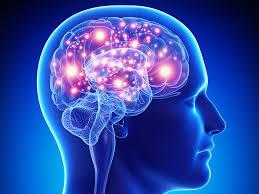
Epilepsy is a long-term brain condition that causes repeated seizures. Seizures happen when there’s abnormal electrical activity in your brain. Depending upon the area of the brain affected, epilepsy can be classified as generalised (affecting both sides of the brain), focal (affecting a specific region of the brain) or unknown.
----------------------------------------------------------------------------------------------------------------------------------
How common is epilepsy in India?
- Affects 12 million people
----------------------------------------------------------------------------------------------------------------------------------
What are some of its causes?
- Mainly caused by abnormal activity in the nerves of your brain
- An exact cause is not yet clear as to why this happens. But possible causes include:
- Damage to the brain including stroke or bleeding
- Genetics
- Brain-related infections
- Immune-related conditions
What can trigger these seizures?
- Alcohol use or its withdrawal
- Illness
- Lack of sleep
- Missed dose of any anti-seizure medicines
- Stress
----------------------------------------------------------------------------------------------------------------------------------
Risk factors
- Alcohol use disorder
- Alzheimer’s disease
- Close relative affected by epilepsy
- Brain infection
- Brain tumour
- Problems before or during birth, like being born early, having a low birth weight or not getting enough oxygen during delivery
- Seizures at a young age (febrile seizures)
- Stroke
- Structural brain defects present at birth or bleeding in your brain
- Traumatic brain injuries
Complications of epileptic seizures
- Injuries due to falls, cuts or burns suffered during a seizures
- Anxiety or depression
- Problems with memory, attention and understanding
Symptoms of epileptic seizure
- Automatic movements like lip-smacking, chewing or rubbing your hands

- Confusion or trouble thinking, speaking or understanding others
- Fast heartbeat or rapid breathing
- Staring spells or a blank look
- Stomach discomfort, chills, warmth or goosebumps
- Strong emotions, like fear, anxiety or déjà vu
- Uncontrolled movements, like jerking, twitching or sudden loss of muscle control
- Unusual sensations, like changes in vision, hearing, smell, taste, or feelings of tingling or numbness
- Memory loss
----------------------------------------------------------------------------------------------------------------------------------
Diagnosis
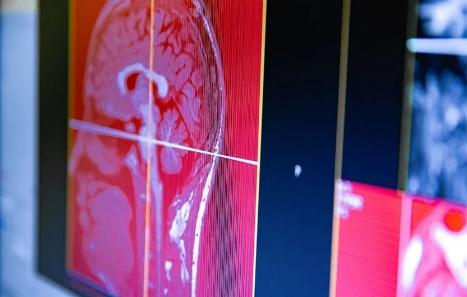
- Neurological exam to test your behaviour, movement and mental function
- Blood tests
- A reading of your brain activity, called an electroencephalogram
- Magnetic resonance imaging of your brain
----------------------------------------------------------------------------------------------------------------------------------
Treatment
- Medicines to control your seizures
- Surgery to treat the part of your brain causing seizures
- Placing small electrical devices that send small electrical signals to reduce the seizures
- Changes to the diet and managing triggers
Supportive Care
- Helps
- Track your seizures to understand patterns.
- Pay attention to the things that can trigger your seizures so you can avoid them if possible.
What are the side effects of treatment?
- Fatigue.
- Dizziness.
- Weight gain.

- Loss of bone density.
- Skin rashes.
- Loss of coordination.
- Speech problems.
- Memory and thinking problems.
- Depression.
- Suicidal thoughts and behaviors.
- Severe rash.
- Inflammation of certain organs, such as the liver.
Lifestyle & Prevention
Recommended diet

- Include good fats like nuts, seeds, cream
- Limit carbohydrate intake like sugar, bread and pasta
- Include protein like eggs, fish, beans, and lentils
- Drink enough water
- Limit caffeine consumption as it can often trigger seizures
Exercise tips
- Exercising can help with
- Seizure control
- Side effects of medicines
- Mood control
- Sleep
- Overall quality of life
- Do breathing exercises regularly
- Avoid overexertion
Prevention
- Manage fevers in young children (to reduce risk of febrile seizures)
- Protect your head from falls, accidents and sports injuries
- Reduce stroke risk (manage blood pressure, diabetes and avoid smoking)
- Take care of yourself during pregnancy and birth
When to contact a doctor?
- If you have a seizure for the first time
- If you notice someone/others notice that you have zoned out or briefly lost awareness of your surroundings
- If someone’s seizure lasts longer than 5 minutes
Myths & Facts
Anyone who has one seizure has epilepsy
Epilepsy is diagnosed after two seizures, occuring at least a day apart
If a person suffers an epileptic seizure, it is advised to physically restrain them
Do not restrain someone having a seizure — it can cause harm and won't stop the seizure
Individuals with epilepsy always lose consciousness and suffer convulsions
This type of seizure is one of many types of seizures. Other seizures may cause confusion or disorientation
Frequently Asked Questions
At what age does epilepsy usually start?
Across a person’s life span, there are two times when the chances of developing epilepsy are the highest: in children in their first year of life, and in adults aged 55 and up, as people develop strokes, brain tumours or Alzheimer's disease, which all can cause epilepsy.
What is a seizure emergency?
It’s when there’s a long convulsive seizure (called a “grand mal,” a "tonic-clonic” or “convulsive status epilepticus") that lasts more than five minutes, or when there are many back-to-back seizures without the patient recovering in between to their normal self. It requires immediate attention.
Can a person with epilepsy have a healthy baby?
Yes, but for the best possible chance at seizure freedom and a healthy future family, it’s important to see a specialist who can identify the cause of your seizures and determine the safest medications to treat them before and during pregnancy.
Speak to a neurology specialist
Get an expert opinion and a personalised treatment plan at Sterling Hospitals.


