

An infusion of antibodies used to treat autoimmune nerve conditions such as Guillain-Barré syndrome.
Overview of the Condition
What is Gullian-Barre syndrome?
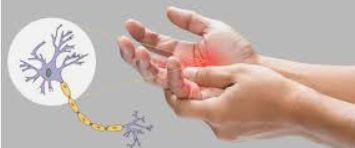
Guillain–Barré syndrome (GBS) is a rare condition in which the body's immune system attacks the nerves. It can cause weakness, tingling, numbness and, in severe cases, paralysis. Symptoms usually begin in the hands and feet and can spread quickly. Most people need hospital treatment.
GBS often develops after an infection such as a cold, stomach infection. Although there is no cure, treatment can help reduce symptoms and support recovery. Most people recover well, though some may continue to experience weakness, numbness or tiredness.
Why is it important?
Guillain–Barré syndrome is important because symptoms can worsen quickly and may affect breathing, movement and other vital body functions. Early diagnosis and hospital treatment can help reduce complications and support recovery.
Who is commonly affected?
GBS can affect anyone, but it often develops after:
- A chest or stomach infection
- Influenza (flu)
- Viral infections such as Epstein–Barr virus or hepatitis
- Certain bacterial infections, especially from undercooked poultry
- Surgery or physical trauma
- Rarely, after vaccination
Symptoms
- Tingling or pins-and-needles sensation in the hands and feet
- Weakness starting in the legs and spreading upwards
- Difficulty walking, climbing stairs or maintaining balance
- Problems with speaking, chewing or swallowing
- Double vision or difficulty moving the eyes
- Severe nerve pain or cramps
- Bladder or bowel problems
- Changes in heart rate or blood pressure
- Difficulty breathing
Treatment Options
- Plasma exchange (plasmapheresis): A treatment that removes harmful antibodies from the blood to help reduce nerve damage
- Intravenous immunoglobulin therapy (IVIG): Healthy antibodies are given through a vein to help block the harmful immune response causing nerve damage
Procedure Overview and Preparation
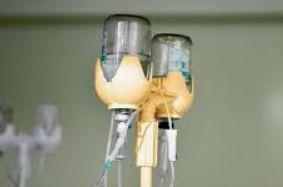
Intravenous immunoglobulin (IVIG) is a treatment in which healthy antibodies from donors are given through a vein to help support the immune system. It is used in people with weakened immunity to help reduce infections and lessen the severity of illness.
Procedure Overview
Step-by-step
- Healthy antibodies are collected from donated blood
- The antibodies are prepared as IVIG treatment
- IVIG is given through a vein as an infusion
- The donated antibodies help support and strengthen the immune system to fight infections
Time required
- Several hours
Risks, Benefits and Hospital Stay
Risks and Complications
- Most people tolerate IVIG well
- Mild side effects may include headache, fever, nausea, chest or back pain, and muscle aches
- Rare complications include allergic reactions, blood pressure changes, breathing difficulties, meningitis and reduced kidney function
Benefits and Expected Outcomes
- Safe and effective treatment for immunodeficiencies
- Can be used alongside other treatments or medicines
- Helps strengthen the immune system
- Reduces the risk and severity of infections
Duration of Hospital Stay
- 1 day
When to Contact a Doctor
Myths & Facts
IVIG is only for people with weak immunity
IVIG is also used to treat some autoimmune and neurological conditions
IVIG cures the condition completely
IVIG helps control symptoms and support the immune system
Everyone responds to IVIG in the same way
Treatment response can vary from person to person
IVIG is one time treatment
Some people may need repeated treatments depending on their condition
Frequently Asked Questions
What is IVIG?
IVIG is a treatment in which healthy antibodies are given through a vein to help the immune system.
Why might I need IVIG?
It may be used for immune deficiencies, autoimmune diseases or certain nerve and muscle conditions.
How is IVIG given?
It is given as an infusion through a vein in a hospital or clinic.
What are the common side effects?
Some people may experience headache, fever, chills, tiredness or mild infusion reactions.
Speak to a neurology specialist
Get an expert opinion and a personalised treatment plan at Sterling Hospitals.


