

Inflammation of the membranes covering the brain and spinal cord, usually caused by infection.
Overview of meningitis
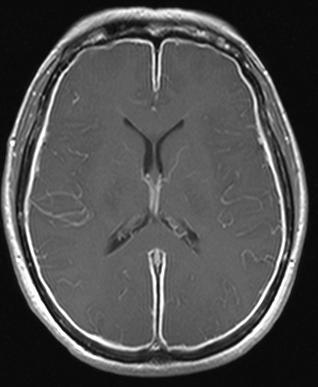
Meningitis is a condition in which the protective layers surrounding the brain and spinal cord, called the meninges, become swollen. It is also known as spinal meningitis and can sometimes become life-threatening. Normally, these protective layers help cushion and protect the brain and spinal cord. They contain nerves, blood vessels and cerebrospinal fluid (CSF). When the meninges become swollen, swelling can develop and place pressure on the brain and spinal cord.
Causes of meningitis
- Bacterial meningitis: Caused by bacteria such as Streptococcus pneumoniae, Group B Streptococcus, and Neisseria meningitidis. This type is usually serious and needs urgent treatment. Bacterial meningitis is the most severe form of meningitis. According to the World Health Organization (WHO), about 1 in 6 people affected may die, and around 1 in 5 may develop serious complications
- Viral meningitis: Caused by viruses and is often milder than bacterial meningitis
- Fungal meningitis: Caused by fungi like Cryptococcus, Coccidioides, and Candida. It is more common in people with weak immune systems
- Parasitic meningitis: Rarely, parasites such as rat lungworm can cause meningitis
- Drug-induced meningitis: Certain medicines, especially some painkillers and antibiotics, can rarely trigger inflammation of the meninges
- Cancer-related meningitis: In advanced cancer, cancer cells may spread to the meninges and cause swelling
- Post-traumatic meningitis: Can develop after a serious head or brain injury.
- Autoimmune meningitis: Conditions such as lupus or rheumatoid arthritis may sometimes lead to meningitis
Symptoms of meningitis
Early symptoms of meningitis may feel similar to the flu and can develop within a few hours or over several days.
Symptoms in adults and children older than 2 years
- Sudden high fever
- Stiff neck
- Severe headache
- Nausea or vomiting
- Confusion or difficulty concentrating
- Seizures
- Excessive sleepiness or trouble waking up
- Sensitivity to light
- Loss of appetite or reduced thirst
- Skin rash in some cases, especially meningococcal meningitis
Symptoms in newborns and infants
- High fever
- Constant crying
- Excessive sleepiness or irritability
- Difficulty waking up
- Reduced activity or sluggishness
- Poor feeding
- Vomiting
- Bulging soft spot on the head
- Stiffness in the neck or body
Risk factors
- Not being vaccinated: Missing mandatory childhood or adult vaccines can increase the risk of meningitis
- Age: Viral meningitis is more common in children under 5 years, while bacterial meningitis is more common in people under 20 years
- Living in crowded settings: People living in dormitories, military camps, boarding schools, or childcare facilities have a higher risk because infections spread more easily in groups
- Pregnancy: Pregnant women have a higher risk of listeria infection, which can sometimes lead to meningitis
- Weak immune system: Conditions such as acquired immunodeficiency syndrome (AIDS), diabetes, alcohol misuse, certain medicines or removal of the spleen can increase the risk of meningitis
Complications caused by meningitis
Meningitis can lead to serious complications, especially if treatment is delayed. The longer the infection remains untreated, the higher the risk of long-term damage to the nervous system. Possible complications include:
- Hearing loss
- Vision problems
- Memory difficulties
- Learning problems
- Brain damage
- Difficulty walking or balance problems
- Seizures
- Kidney failure
- Shock
- Death
Diagnosis
Doctors diagnose meningitis by reviewing symptoms, medical history, recent travel and performing a physical examination. Tests are then done to confirm the diagnosis and identify the cause of the infection.
Common performed are as follows:
- Nasal or throat swab: A sample is collected from the nose or throat using a soft swab to check for infection-causing germs
- Brain computed tomography (CT) scan or magnetic resonance imaging (MRI): These imaging tests help detect swelling around the brain.
- Blood tests: Blood samples are tested for signs of infection and swelling
- Lumbar puncture (spinal tap): A small sample of cerebrospinal fluid (CSF) is collected from the lower back and tested for infection
Treatment
Treatment depends on the cause of meningitis.
Bacterial meningitis
Bacterial meningitis requires urgent treatment with intravenous (IV) antibiotics. Corticosteroids may also be used to reduce brain swelling and lower the risk of complications such as seizures.
Viral meningitis
Antiviral medicines may be given if a herpes virus is the cause.
Viral meningitis often improves within a few weeks and is usually treated with:
- Rest
- Plenty of fluids
- Medicines to reduce fever and body pain
Other types of meningitis
- Fungal meningitis: Treated with antifungal medicines
- Tuberculous meningitis: Treated with a combination of antibiotics
- Autoimmune or allergy-related meningitis: May be treated with corticosteroids
- Cancer-related meningitis: Requires treatment for the underlying cancer
Sometimes, treatment may begin after tests confirm the exact cause of meningitis.
Recovery
The recovery for meningitis depends on the cause, severity of the illness and how quickly treatment is started. With early treatment, many people recover fully, although complete recovery may take time. Some patients may need to stay in the hospital for several days, and treatment may continue after discharge. Regular follow-up visits may be needed to monitor for any long-term health problems.
Prevention
Meningitis cannot always be prevented, but certain steps can help lower the risk of infections that may cause it:
- Get recommended vaccines against bacterial and viral infections linked to meningitis
- Wash hands regularly with soap and water
- Avoid close contact with people who have contagious illnesses. Cover your mouth and nose while coughing or sneezing
- Keep frequently touched surfaces clean and disinfected
- Avoid swimming in or drinking contaminated water. Use clean or treated water for nasal rinsing
- Practice safe food handling and avoid unpasteurized milk or dairy products
- Protect yourself from mosquito and tick bites.
In some high-risk situations, doctors may prescribe preventive antibiotics, especially after close contact with someone who has meningococcal meningitis.
Frequently Asked Questions
How long can a person with meningitis infection spread it to others?
A person can spread the infection from the time they are infected until the bacteria are no longer present in the nose and throat secretions. The contagious period varies depending on treatment, and a person may spread the infection even before symptoms appear.
How easy is it to catch meningitis?
The bacteria that cause meningitis can spread between people. Close contact or living in shared spaces increases the risk, mainly through droplets released when an infected person coughs or sneezes. People exposed to the bacteria may or may not develop illness.
How long does it take to show signs of meningococcal disease after being exposed?
The incubation period for meningococcal disease is usually 3–4 days, but it can range from 2–10 days. The bacteria can cause severe illness by infecting the blood (septicemia) or the fluid around the brain and spinal cord (meningitis). Since the disease can progress rapidly, early diagnosis and prompt treatment are very important.
Myths & Facts
1. Only babies get meningitis
Meningitis can affect people of all ages, but it is most common in infants, young children, teenagers and young adults. It can spread quickly in crowded settings such as universities and colleges.
2. Meningitis is a mild illness. People recover from easily.
Meningitis is a serious infection that can spread through droplets from coughing, sneezing or kissing. About 1 in 2 survivors may experience long-term complications, including hearing loss, repeated seizures, memory and concentration problems, difficulty with movement and balance, learning and behavioural issues, vision loss, limb loss and bone, joint or kidney problems.
Meningitis is easy to recognise and diagnose. I would know immediately if my child is infected.
Meningitis can be difficult to diagnose because its early signs, such as fever and headache, often resemble those of flu or other common infections. Symptoms in children may differ slightly from those seen in adults. The condition can progress rapidly within hours or develop gradually over a few days.
Speak to a neurology specialist
Get an expert opinion and a personalised treatment plan at Sterling Hospitals.


