

Surgery that joins two or more vertebrae together to stabilise the spine and reduce pain.
Overview of the Condition
What is degenerative disc disease?
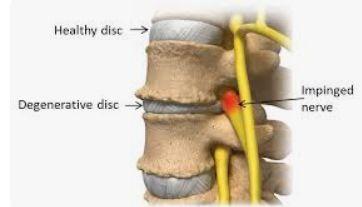
Degenerative disc disease is a condition in which the discs between the bones of the spine gradually wear down with age. These discs normally act as cushions and help the back move comfortably. As they wear out, the bones may rub against each other, causing back or neck pain and problems such as slipped discs, spinal narrowing, abnormal spine curvature, or movement of the spinal bones out of place.
Why is it important?
Treating degenerative disc disease early may help reduce pain and prevent worsening spine problems. Early treatment can improve movement, daily activities, and quality of life. It may also help prevent complications such as nerve damage, weakness, or long-term spinal changes.
Who is commonly affected?
People at risk include the following:
- Age above 40 years
- Falls or spine injuries
- Obesity
- Women may be more likely to have symptoms
- Smoking
- Physically demanding work or heavy lifting
Symptoms
- Neck pain or back pain
- Pain that comes and goes over time
- Pain spreading to the lower back or buttocks
- Pain that worsens with sitting, bending, or lifting objects
Diagnostic tests and Procedures
- X-ray: Helps doctors check the bones and alignment of the spine
- MRI scan: Shows discs, nerves, and soft tissues to identify damage or pressure on nerves
- Spinal fusion surgery: A procedure that joins two or more spinal bones together to reduce pain and improve stability
Procedure Overview and Preparation
What is spinal fusion surgery and why is it done?
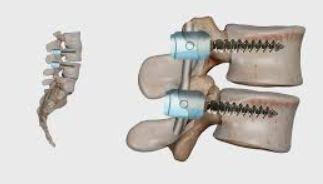
Spinal fusion surgery is a procedure in which two or more bones in the spine are permanently joined together to improve stability and reduce pain. It is done to treat conditions such as degenerative disc disease, spinal weakness or instability, fractures, scoliosis, or other spine problems that cause pain or difficulty in movement.
Procedure Overview
Step-by-step
- You are given anesthesia so you do not feel pain during surgery
- The surgeon makes a cut in the back, neck, or abdomen to reach the spine
- The damaged disc or problem area in the spine is identified
- Bone graft material is placed between the spinal bones to help them join together
- Metal screws, rods, or plates may be used to keep the spine stable while it heals
- The incision is closed, and you are monitored during recover
Time required
- 3-6 hours
Risks, Benefits and Hospital Stay
Risks and Complications
- Infection
- Bleeding
- Blood clots
- Nerve injury
- Pain at the bone graft site
- Failure of the bones to fuse properly
- Damage to nearby spinal structures
- Continued pain or reduced movement after surgery
Benefits
- Helps reduce back or neck pain caused by spinal instability or movement between bones
- Improves stability of the spine by permanently joining affected spinal bones
- May relieve pressure on spinal nerves and improve movement or daily activities
- Can help correct spine problems
Duration of Hospital Stay
- 2-4 days
When to Contact a Doctor
- Redness or color changes around the wound
- Pain or swelling near the wound
- Fluid or discharge from the wound
- Chills or shivering
- Fever above 100.4°F (38°C)
Myths & Facts
Spinal fusion completely cures all back pain.
Spinal fusion helps reduce pain caused by movement between unstable spinal bones, but it may not remove all pain.
You will not be able to move after spinal fusion surgery.
The surgery joins only specific bones in the spine, and most people can still move and perform daily activities.
Spinal fusion is only done for severe injuries.
It may also be used for conditions such as degenerative disc disease, scoliosis, spinal weakness, or fractures.
Recovery after spinal fusion is very long.
Recovery time varies, and many patients gradually return to normal activities with rehabilitation.
Frequently Asked Questions
What is spinal fusion surgery?
Spinal fusion is a surgery that permanently joins two or more bones in the spine to improve stability and reduce pain.
Why is spinal fusion done?
It is done to treat spine problems such as degenerative disc disease, scoliosis, spinal fractures, or instability.
How is the spine fused?
Surgeons use bone grafts and sometimes metal screws, rods, or plates to join the spinal bones together.
How long does recovery take?
Recovery varies by patient, but healing and return to normal activities may take several weeks to months.
Speak to a neurology specialist
Get an expert opinion and a personalised treatment plan at Sterling Hospitals.


