

Gynaecological cancers can affect the uterus (womb), ovaries, cervix, fallopian tubes, vulva or vagina.
Overview
What is gynaecological cancer?
- Gynaecological cancer occurs when abnormal cells grow uncontrollably in a woman’s reproductive organs
What are the types of gynaecological cancers?
Gynaecological cancers can affect the uterus (womb), ovaries, cervix, fallopian tubes, vulva or vagina.
- Cervical cancer starts in the cervix, the lower part of the womb (uterus)
- Ovarian cancer starts in the ovaries, which are located on either side of the womb. Some cancers may also begin in the fallopian tubes.
- Uterine cancer starts in the uterus (womb), where a baby grows during pregnancy
- Vaginal cancer starts in the vagina, the passage connecting the womb to the outside of the body
- Vulval cancer starts in the vulva, the outer part of the female genital area
Each type of gynaecological cancer is different. They may have different symptoms, risk factors and treatment options.
What are the symptoms of gynaecological cancers?
Signs and symptoms can vary from person to person. Each type of gynaecological cancer may have different warning signs.
Common symptoms may include:
- Unusual vaginal bleeding or discharge
- Feeling full quickly while eating
- Bloating or swelling in the abdomen
- Pain in the lower abdomen, pelvis (lower tummy, between the hip bones) or back
- Frequent or urgent need to pass urine
- Constipation
- Itching, burning, pain or tenderness in the vulval area
- Changes in the skin or colour of the vulva, such as sores, rashes or warts
It is important to speak to your doctor if symptoms are unusual, persistent or do not go away.
How common are these cancers in India?
Every year, around five lakh women worldwide are diagnosed with gynaecological cancers and more than one lakh cases are reported in India.In India, cervical cancer accounts for about 12.3% of cancers in women, ovarian cancer around 6.5%, and uterine (endometrial) cancer around 3.7%.
Endometrial cancer is the third most common cancer in India.
Which factors increase the risk of uterine and ovarian cancer?
Some factors may increase the chance of developing ovarian cancer:
- Increasing age, especially after menopause
- Family history of ovarian or breast cancer
- Personal history of breast cancer
- Difficulty becoming pregnant or not having children
- Certain inherited gene changes
Factors that may increase the risk of uterine (endometrial) cancer include:
- Taking certain hormone medicines
- Being overweight
- Late menopause (after age 52)
- Diabetes or high blood sugar
- High blood pressure
- Not having children
- Family history of uterine or bowel cancer
- Long-term use of Tamoxifen, a medicine used for breast cancer
What are the treatment options for gynaecological cancer?
Treatment depends on the type of cancer and how far it has spread. Some women may need more than one type of treatment.
Common treatment options include:
- Surgery: Removal of the cancer through an operation
- Chemotherapy: Medicines used to destroy or shrink cancer cells. These may be given as tablets or through a drip into the vein
- Radiation therapy: Use of high-energy rays to destroy cancer cells
Hysterectomy
What Is a hysterectomy?
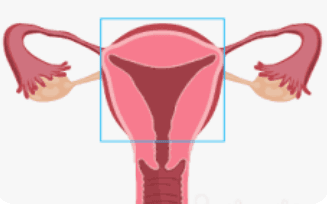
A hysterectomy is a surgery to remove the womb (uterus). Depending on the cancer type and stage, the cervix, ovaries, fallopian tubes, lymph nodes or nearby tissues may also be removed.
Why is it done?
It may be done to treat conditions affecting the female reproductive organs, including:
- Heavy bleeding
- Long-term pelvic pain
- Fibroids (non-cancerous growths)
- Cancer of the uterus, ovaries, cervix or fallopian tubes
A hysterectomy is a major surgery and is usually considered when other treatment options may not be suitable or effective.
What are the types of hysterectomy
The main types of hysterectomy are:
- Total hysterectomy: Removal of the uterus (womb) and cervix
- Subtotal hysterectomy: Removal of the uterus while keeping the cervix in place
- Hysterectomy with removal of ovaries and fallopian tubes: Removal of the uterus, cervix, ovaries and fallopian tubes
- Radical hysterectomy: Removal of the uterus along with nearby tissues affected by cancer
Surgical approaches
There are 3 ways to carry out a hysterectomy:
- Laparoscopic (keyhole) surgery: Small cuts are made in the tummy to remove the uterus
- Vaginal hysterectomy: The uterus is removed through the vagina
- Abdominal hysterectomy: The uterus is removed through a cut in the lower tummy
Possible risks and complications
Possible risks of hysterectomy include:
- Bleeding
- Infection
- Damage to nearby organs such as the bladder or bowel
- Reaction to anaesthesia
Recovery after surgery
Recovery may take around 6–8 weeks, depending on the type of surgery.
During recovery:
- Rest well
- Avoid heavy lifting
- Follow your doctor’s advice
- Attend follow-up visits
Surgical menopause
- If the ovaries are removed during surgery, menopause may happen immediately. This is called surgical menopause
- Symptoms may include hot flushes, mood changes and night sweats. Your doctor may discuss treatment options if needed
Ovarian tumour debulking
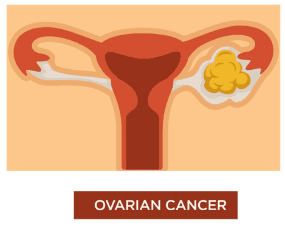
What is ovarian tumour debulking surgery?
- Ovarian tumour debulking surgery may be recommended if ovarian cancer has spread within the pelvis or belly
- During the surgery, the doctor removes as much of the cancer as possible. This may include the ovaries, fallopian tubes, womb and nearby affected tissues
- Chemotherapy is usually given after surgery to destroy any remaining cancer cells. Some patients may receive chemotherapy both before and after surgery
Before surgery
You may need:
- Blood tests to check your overall health i
- Computed Tomography (CT) or MRI (Magnetic resonance imaging) scans to look at the cancer in detail
- Electrocardiogram (ECG) to check your heart health
- Review of your regular medicines
- Fasting before surgery
What to expect after surgery?
Hospital stay
Most patients stay in the hospital for 7 days after the surgery
You may receive:
- Pain medications
- IV fluids
- A urinary catheter for a short period
- Leg exercises to prevent blood clots
Recovery at home
Recovery may take about 6 weeks
During recovery:
- Avoid heavy lifting
- Eat a healthy balanced diet
- Walk regularly as advised
- Take medicines as prescribed
- Attend follow-up appointments
You will usually see your surgeon a few weeks after surgery. Your doctor will check your recovery and wound healing, discuss the surgery results, and explain if any further treatment is needed.
Follow-up care
Regular follow-up visits are important after surgery. These visits may include:
- Physical examination
- Blood tests
- Imaging scans
- Discussion of symptoms or treatment side effects
Follow-up care helps monitor recovery and detect recurrence if it occurs

Myths and facts
Myth 1: A hysterectomy is only done for cancer. Fact: A hysterectomy may also be done for conditions such as heavy bleeding, fibroids or long-term pelvic pain.
Myth 2: Cancer surgery spreads cancer. Fact: Cancer surgery is carefully planned and does not usually spread cancer.
Myth 3: All patients with ovarian cancer need the same treatment. Fact: Treatment depends on the type and stage of cancer and may include surgery, chemotherapy or both.
Myth 4: Recovery means complete bed rest. Fact: Gentle movement and walking are encouraged during recovery.
Myth 5: Menopause only happens with age. Fact: Surgical menopause can happen immediately if the ovaries are removed during surgery.

FAQs
Will I be able to have children after a hysterectomy?
No. Pregnancy is not possible after the uterus (womb) is removed.
Will I need chemotherapy after surgery?
Some patients may need chemotherapy after surgery to help destroy any remaining cancer cells.
How long does recovery take after surgery?
Recovery usually takes around 6–8 weeks, depending on the type of surgery and overall health.
Will I go through menopause after surgery?
If both ovaries are removed, menopause may happen immediately after surgery.
When should I contact my doctor after surgery?
Contact your doctor if you have fever, heavy bleeding, severe pain, breathing difficulty or problems with the wound healing.
Speak to a cancer care specialist
Get an expert opinion and a personalised treatment plan at Sterling Hospitals.

