

Surgical removal of a brain tumour to relieve pressure and reduce or remove abnormal tissue.
Overview of the Condition
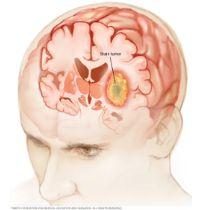
A brain tumor is an abnormal growth in or near the brain. It may be benign (noncancerous) or malignant (cancerous), and can either start in the brain or spread from another part of the body. Symptoms vary depending on the tumor’s size and location. Treatment commonly includes surgery and radiation therapy.
Causes / Why It Happens
Brain tumour constitutes about 2% of all types of cancer. Brain tumors occur when abnormal cells grow uncontrollably in or around the brain. The exact cause is often unknown, but some tumors may be linked to genetic conditions, radiation exposure, or cancer spreading from other parts of the body. As the tumor grows, it can press on brain tissue and affect normal brain function.
Signs and Symptoms
- Brain tumor symptoms depend on where the tumor is in the brain and how fast it grows
- Common symptoms include headaches, nausea, vision problems, dizziness, balance issues, and seizures
- Some people may also notice weakness, memory problems, speech difficulties, or changes in behavior
- Noncancerous tumors usually grow slowly and symptoms appear gradually, while cancerous tumors can grow quickly and symptoms may worsen rapidly
Diagnostic tests and Procedures
- Computed Tomography (CT) scan uses X-rays to create pictures of the brain and helps detect abnormalities quickly
- Magnetic Resonance Imaging (MRI) scan provides detailed images of the brain and is commonly used to identify brain tumors
- Positron Emission Tomography (PET) scan may also be used to detect active tumor cells and understand how the tumor is growing
- Brain tumour surgery: Removes as much of the tumor as possible to relieve symptoms, improve brain function
Test overview and preparation
What is brain tumour surgery?
Brain tumor surgery is a procedure to remove all or part of a tumor from the brain. It is done to help reduce symptoms, relieve pressure on the brain, confirm the diagnosis, and improve treatment outcomes. Surgery may also help improve the effectiveness of other treatments such as radiation therapy or chemotherapy.
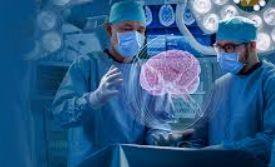
Preparation Guidelines
- Before brain tumor surgery, doctors may perform tests to assess your brain function and overall health
- Brain imaging tests such as Magnetic Resonance Imaging (MRI) or Computed Tomography (CT) scans help identify the tumor’s size and location
- Functional MRI (fMRI) may be done to protect important brain functions such as speech and movement during surgery
- Blood tests are commonly done to check your general health before the procedure.
- Your healthcare team will advise you about medicines, allergies, eating, and drinking before surgery
Step-by-step
- Before surgery, you will be given medicines so you sleep comfortably and do not feel pain
- MRI or CT scans help the surgeon find the exact location of the tumor
- In some surgeries, a small part of the skull is opened to remove the tumor and then put back in place
- Some tumors can be removed using tiny instruments and a small camera through a small opening
- Laser treatment may sometimes be used to destroy tumor cells
- During certain surgeries, patients may be asked simple questions to help protect speech and movement functions
- Some tumors can also be treated using focused radiation without making any cuts
Time required
- 2 to 6 hours
Risks and benefits
Risks
- Bleeding or infection after surgery
- Swelling in the brain
- Weakness, speech problems, or changes in memory or movement depending on the tumor location
- Reactions to anesthesia or medicines used during surgery
- In some cases, the entire tumor may not be removable safely
Benefits
- Helps remove all or part of the brain tumor.
- Relieves pressure on the brain and may reduce symptoms such as headaches or seizures.
- Helps doctors confirm the type of tumor through testing.
- May improve the effectiveness of other treatments such as radiation therapy or chemotherapy.
- Can help improve quality of life and overall outcomes in some patients
Myths & Facts
Brain tumour surgery causes permanent brain damage
Modern surgical techniques and imaging help surgeons remove tumors while protecting healthy brain tissue
All brain tumours require open brain surgery
Some tumors can be treated with minimally invasive surgery, radiation therapy, or other targeted treatment
Brain surgery is extremely risky
While every surgery has risks, advances in technology and experienced surgical teams have improved safety and outcomes
Recovery after brain tumour surgery takes a long time
Recovery varies depending on the tumor type, location, and overall health, and many patients recover well with proper care.
Frequently Asked Questions
Why is brain tumor surgery done?
Surgery may help remove the tumor, relieve symptoms, confirm the diagnosis, or reduce pressure on the brain.
Will all of the tumor be removed?
It depends on the tumor’s size and location. Sometimes only part of the tumor can be safely removed.
How long does recovery take after surgery?
Recovery time varies from person to person and depends on the complexity of the surgery and the patient’s health.
What are the possible risks of brain tumor surgery?
Risks may include infection, bleeding, seizures, weakness, speech problems, or changes in brain function, depending on the tumor location.
Speak to a neurology specialist
Get an expert opinion and a personalised treatment plan at Sterling Hospitals.


