

A surgical treatment that uses electrical stimulation to control symptoms of movement disorders.
Overview of the Condition
What is Parkinson’s disease?
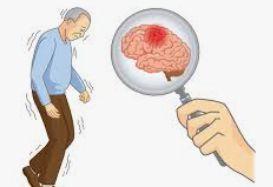
Parkinson’s disease (PD) is a progressive disorder of the nervous system that affects movement. Symptoms usually develop slowly and may include tremors, stiffness, slow movement, balance problems, and changes in speech or facial expression. Symptoms may worsen over time and increase the risk of falls. Although there is no cure, medicines and sometimes surgery can help control symptoms and improve quality of life.
Why is it important?
PD affects about 17% of men in their old age. is important to recognise early because symptoms can gradually affect movement, balance, speech, and daily activities. Early diagnosis and treatment can help control symptoms, improve quality of life, maintain independence, and reduce the risk of falls and complications.
Who is commonly affected?
Following people are at risk of PD:
- Age: More common with increasing age, usually after 50 years
- Family history: Having a close family member with Parkinson’s disease may slightly increase risk
- Male sex: Men are more likely to develop Parkinson’s disease than women
- Toxin exposure: Long-term exposure to pesticides or herbicides may increase risk
Symptoms
- Shaking, usually starting in the hands, fingers, foot, or jaw
- Everyday activities may become slower and more difficult
- Muscles may feel rigid, tight, or painful
- Stooped posture, unsteadiness, or falls may occur
- Less blinking, smiling, or arm swinging while walking
- Soft, fast, slurred, or monotone speech
- Handwriting may become small or cramped
- Depression, anxiety, constipation, sleep problems, loss of smell, memory or thinking difficulties, frequent urination, and fatigue
Diagnostics tests and Procedures
- Physical and nerve examination: The doctor checks your symptoms, movement, balance, reflexes and memory
- Blood tests: Help rule out other causes of symptoms
- Brain scans (MRI, ultrasound, PET scan): Used to check for other brain conditions
- DAT scan: A special scan that may help confirm PD in some people
- Deep brain stimulation (DBS): Uses electrical signals in the brain to help control symptoms of certain neurological conditions
Procedure Overview and Preparation
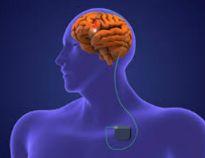
DBS is a treatment that uses small electrodes placed in certain areas of the brain to send electrical signals that help control abnormal brain activity. The electrodes are connected to a small battery device placed under the skin in the chest. It is done to help reduce symptoms and improve quality of life in conditions such as PD.
Procedure Overview
Step-by-step
- A special frame is placed on the head to keep it still during surgery
- Brain scans are used to identify the exact area for electrode placement
- Thin wires with small electrodes are placed into specific areas of the brain
- The electrodes are connected by wires under the skin to a small battery device placed near the chest
- Doctors carefully monitor the brain during the procedure to ensure the electrodes are placed correctly
Time required
- 4-8 hours
Risks, Benefits and Hospital Stay
Risks and Complications
- Possible complications include bleeding in the brain, stroke, or infection
- The electrodes or wires may occasionally move out of place
- Some patients may experience breathing problems, nausea, or heart-related problems after surgery
- Seizures can rarely occur after the procedure
Benefits
- Helps reduce symptoms such as tremors, stiffness, and slowed movements in Parkinson’s disease
- May improve quality of life and help patients perform daily activities more easily
- Can reduce uncontrolled movements and fluctuations caused by long-term medication use
Duration of Hospital Stay
- 2-5 days
When to Contact a Doctor
Contact your doctor after deep brain stimulation (DBS) if you have:
- Fever, redness, swelling, or discharge near the surgical wound
- Severe headache, confusion, or sudden weakness
- Trouble breathing, chest pain, or seizures
- Worsening symptoms, unusual movements, or problems with the DBS device
Myths & Facts
DBS cures PD
DBS helps control symptoms such as tremor and stiffness, but it does not cure Parkinson’s disease.
DBS surgery damages the brain
DBS uses carefully placed electrodes to send controlled electrical signals to specific brain areas.
Only people with severe PD can have DBS
DBS may be considered when symptoms are not well controlled with medicines.
DBS completely replaces PD
Many patients still need medicines after DBS, although doses may sometimes be reduced.
Frequently Asked Questions
What is DBS?
DBS is a procedure in which electrodes are placed in the brain to help control abnormal brain activity.
Which conditions can DBS treat?
DBS is commonly used for P, essential tremor, dystonia, epilepsy, and some other neurological conditions.
Is DBS surgery safe?
DBS is generally considered low risk, but like any surgery, it may have complications such as infection, bleeding, or stroke.
Will I be awake during DBS surgery?
Many patients are awake during part of the procedure so doctors can check that the electrodes are placed correctly.
Speak to a neurology specialist
Get an expert opinion and a personalised treatment plan at Sterling Hospitals.


