

Conditions affecting the speed, fluency or control of voluntary and involuntary movement.
Overview
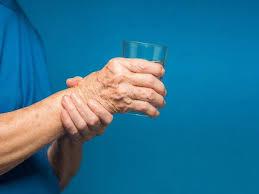
Movement disorders are a group of nervous system conditions that affect movement. They can cause either increased movements or reduced or slow movements. These movements may be under the person's control, known as voluntary. Or the movements may not be under the person's control, known as involuntary.
There are many types of movement disorders that can cause different symptoms. For example, dystonia causes muscle contractions that lead to twisting of the body. Another movement disorder called chorea causes brief periods of quick involuntary movements that happen over and over. Parkinsonism causes slowness of movement with stiffness, tremors or loss of balance.
----------------------------------------------------------------------------------------------------------------------------------
How common are movement disorders in India?
- Movement disorders account for 3-8% of all nerve—related conditions in India
- 31-45 per 100,000 people aged above 60 years
----------------------------------------------------------------------------------------------------------------------------------
Risk factors
- Having a parent affected by them
- Certain medical conditions
- Taking certain medicines
- Excessive alcohol drinking
- Consuming illegal drugs
----------------------------------------------------------------------------------------------------------------------------------
Symptoms
- Clumsy movements
- Making brief, irregular, somewhat rapid, involuntary movements that happen over and over
- Having involuntary muscle contractions that cause twisting, irregular postures, or movements that occur again and again
- Very quick jerks of muscles
- Slowness of movement along with stiffness, tremors or loss of balance
- Rhythmic shaking of parts of the body, such as the hands, head or other body parts
----------------------------------------------------------------------------------------------------------------------------------
Diagnosis
- Blood tests
- Genetic tests
- MRI and CT scans – a detailed scan that creates clear pictures inside the body
----------------------------------------------------------------------------------------------------------------------------------
Treatment
- Medicines to manage the symptoms
- Treating any conditions that might be causing the symptoms
Supportive Care

- Physical therapy: Helps improve strength, balance, coordination, and mobility to make movement safer and easier
- Occupational therapy: Helps people perform daily activities such as dressing, eating, writing, and personal care more independently
- Speech therapy: Helps improve speech, communication, and swallowing difficulties that can occur with movement disorders
Lifestyle & Prevention
Recommended diet
- Eat more fruits and vegetables
- Choose whole grains such as oats and brown rice
- Include protein like eggs, fish, beans, and lentils
- Drink enough water
- Limit processed and fried foods

- Aerobic activities, strength training, balance, agility & multi-tasking and flexibility exercises are recommended
- 2.5 hrs/week of exercises
Prevention
- Following a healthy diet and regularly exercising are the best ways to prevent movement disorder
When to contact a doctor?
- You should see a healthcare provider any time you have changes in how you usually move or issues that affect your routine and activities
Myths & Facts
Everyone with Parkinson’s disease has tremors.
It’s easy to connect tremor to Parkinson’s disease because it’s a prominent and recognizable symptom. But some people with Parkinson’s never have a tremor, and even those who do may not have it at the start of the condition.
Everyone with Parkinson’s disease has tremors.
It’s easy to connect tremor to Parkinson’s disease because it’s a prominent and recognizable symptom. But some people with Parkinson’s never have a tremor, and even those who do may not have it at the start of the condition.
Frequently Asked Questions
How can I explain my movement disorder to family, friends, or coworkers?
Movement disorders can affect how a person moves, speaks, or performs everyday activities, but symptoms are not always visible or well understood. Sharing information about your condition and how it affects you can help others provide appropriate support and reduce misunderstandings.
Will my symptoms change from day to day?
Yes, symptoms may vary depending on factors such as stress, fatigue, sleep quality, illness, and medication timing. Keeping track of symptom patterns can help you and your healthcare team identify triggers and make adjustments to your care plan if needed.
What changes can I make at home to stay safe and independent?
Simple modifications can help reduce the risk of falls and make daily activities easier: Remove tripping hazards such as loose rugs and clutter. Install grab bars, handrails, or other assistive devices where needed. Ensure rooms and walkways are well lit.
Speak to a neurology specialist
Get an expert opinion and a personalised treatment plan at Sterling Hospitals.


