

An autoimmune condition affecting the brain and spinal cord, causing a wide range of neurological symptoms.
Overview
What is Multiple Sclerosis (MS)?
Multiple sclerosis (MS) is an autoimmune condition that affects your brain and spinal cord. With MS, your immune system mistakenly attacks myelin sheath, which is the protective insulating covering of your nerves that surround your brain and spinal cord. Myelin sheath damage interrupts messages (signals) that your nerves send throughout your body to perform functions like vision, sensation and movement.
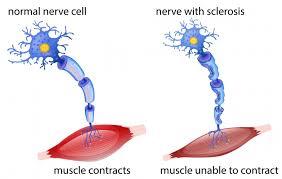
Myelin damage can occur in your brain, spinal cord and nerves that supply your eyes. There’s no cure for MS, but treatment is available to help minimize ongoing damage and help you manage symptoms.
----------------------------------------------------------------------------------------------------------------------------------
How common is MS in India?
- Affects around 110,000 people
- More common among people aged between 25 to 35
- More commonly affects females
----------------------------------------------------------------------------------------------------------------------------------
What are some of its causes?
- Mainly caused by your body’s immune cells attacking your own nerves instead of protecting them
----------------------------------------------------------------------------------------------------------------------------------
Risk factors
- Smoking
- Toxin exposure, like secondhand smoke and pesticides
- Low levels of vitamin D
- Certain viral infections (Epstein-Barr virus or mononucleosis)
- Obesity during childhood
- Family history or inherited genes may increase disease risk
- Aged between 20 and 40 years
- Female
MS can often cause:
- Difficulty walking without assistance
- Loss of bowel or bladder control
- Memory loss
- Sexual issues
- Depression and anxiety
Symptoms
- Early symptoms
- Vision changes including vision loss
- Muscle weakness
- Numbness, pain or tingling (usually on one side of your face, body or below the waist)
- Other symptoms
- Tiredness
- Clumsiness
- Dizziness
- Difficulty with bladder contol
- Loss of balance and coordination
- Difficulty with cognitive function (thinking, memory, concentration, learning and judgment)
- Mood changes
- Muscle stiffness and muscle tremors
- Loss of awareness or consciousness
---------------------------------------------------------------------------------------------------------------------------------
Diagnosis
- Blood tests
- Testing how your nerves react to any changes or physical signals
- Magnetic resonance imaging of your brain and spinal cord
- Taking a sample of your spinal fluid
- Looking for changes in your retina (eye)
----------------------------------------------------------------------------------------------------------------------------------
Treatment
- Steroids to control your immune system and reduce any swelling
- Corrective glasses
- Medicines to stop any seizures or sudden tremors
- Medicines to control or slow down the disease from worsening
- Muscle relaxants
Supportive Care
- Physical therapy to improve strength, balance, mobility, and reduce tiredness through safe, tailored aerobic and stretching exercises.
- Occupational therapy: Helps patients adapt their homes and daily routines to safely perform tasks, conserve energy, and maintain independence.
- Speech-language therapy: Addresses difficulties with swallowing or speech
What are the side effects of treatment?
- Injection-site pain, redness, or swelling
- Increased risk of infections
- Skin rash or itching
- Hair thinning
- Changes in mood or sleep
- Liver problems (sometimes shown by yellow eyes/skin or dark urine)
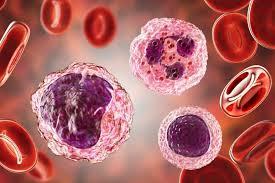
- Low white blood cell count
- Rare allergic reactions
- Flu-like symptoms (fever, chills, body aches)
- Tiredness or weakness
- Headache
- Nausea or upset stomach
- Diarrhoea or constipation
Lifestyle & Prevention
Recommended diet
- Prepare meals at home as much as possible
- Incorporate colorful fresh fruits and vegetables daily
- Choose lean proteins and healthy fats
- If you eat grains, choose whole grains over refined grains
- Avoid or limit processed foods and added sugars as much as possible
Exercise tips
- 150 minutes of moderate-intensity aerobic exercise per week
- Try short bursts of quick walking (20 secs) followed by slow walking for 20 secs

- Stretching exercises
- Strength training
- Balance and agility exercises (eg. standing on 1 foot for 30 secs)
Prevention
- There is no known way to prevent MS
- Strictly following your medicine schedule can decrease the chances of the condition flaring up
- Healthy habits like getting proper sleep, eating healthy, regular physical activity and not smoking can also help a lot
When to contact a doctor?
- Feeling overly sensitive to heat
- Feeling unsteady or off balance
- Difficulty remembering things
- Numbness or tingling, especially in your arms or legs
- Sudden vision changes
- Weakness in your arms or legs
Myths & Facts
MS is contagious
MS is not contagious. What is contagious are certain viral infections that can increase the risk of getting MS like the Epstein-Barr virus
An MS patient will always eventually end up in a wheelchair
Many MS patients do not use a wheelchair. Though most will require assistance such as a cane or a walker, having to use a wheelchair is not a certainty
If you have MS, don’t be physically active
Being active is now known to be one of the best ways to stay healthy and delay disability. And while exercising can make you more tired initially, you’ll actually increase your energy if you stick with it
Frequently Asked Questions
Can women with MS have children?
Definitely! Most women with MS experience fewer relapses during pregnancy and MS does not affect fertility or childbirth.
Is MS fatal?
MS is not generally considered to be a fatal disease. Most persons with MS have a normal life expectancy.
Speak to a neurology specialist
Get an expert opinion and a personalised treatment plan at Sterling Hospitals.


