

A test that measures how well and how fast electrical signals travel through the nerves.
Overview of the Condition
What is carpal tunnel syndrome?
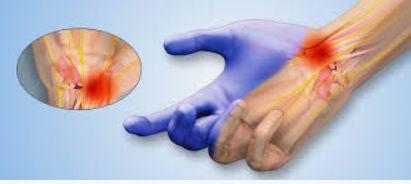
Carpal tunnel syndrome is a common condition caused by pressure on a nerve in the wrist. It can lead to numbness, tingling, pain or weakness in the thumb and fingers. It may be related to repeated hand movements, wrist structure or certain medical conditions. Treatment usually helps relieve symptoms and improve hand function.
Causes / Why It Happens
Carpal tunnel syndrome occurs when pressure is placed on the median nerve as it passes through a narrow space in the wrist called the carpal tunnel. This nerve helps provide feeling and movement to parts of the hand and fingers. Swelling, inflammation, wrist injuries, arthritis or repeated strain on the hand and wrist can irritate or compress the nerve. In many people, there may not be a single clear cause.
Signs and Symptoms
- Tingling in the thumb and fingers
- Numbness in the hand or fingers
- Shock-like sensation in the hand or wrist
- Pain or sensation spreading up the arm
- Symptoms worsening at night
- Symptoms while holding objects such as a phone or steering wheel
- Weakness in the hand
- Difficulty gripping objects
- Dropping objects more easily
Diagnostic tests
- Ultrasound: A scan that shows pictures of the wrist to check if the nerve is being squeezed
- EMG (Electromyography): A test that checks how well the muscles and nerves are working
- Nerve conduction study (NCS): A test that uses small electrical impulses to see how well signals travel through the nerve in the wrist
Test overview and preparation
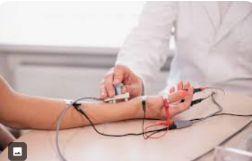
NCS is a test used to check how well the nerves outside the brain and spinal cord are working. It measures how quickly electrical signals travel through the nerves that control movement and sensation. The test may be recommended if you have symptoms such as tingling, numbness or weakness in the arms, legs, hands or feet. NCS is often performed together with an EMG test to help identify nerve damage or compression.
Preparation Guidelines
- Bathe or shower before the test
- Wear loose, comfortable clothing
- Avoid using creams, lotions or perfumes on the skin
- Inform your healthcare provider if you have a pacemaker or any implanted electrical medical device
Step-by-step
- You will sit or lie down comfortably
- Small electrodes will be placed on the skin over the nerves being tested
- A mild electrical impulse will be given to the nerve
- You may feel a brief tingling sensation
- The test measures how quickly the nerve sends signals
- The process may be repeated on different nerves
- An EMG test is often performed afterwards
Time required
- About 60 minutes
Risks and benefits
Risks
Nerve conduction studies are generally safe. You may feel brief mild discomfort or tingling during the electrical impulses, but the test is usually not painful
Benefits
- Helps find nerve problems or damage
- Helps diagnose conditions such as carpal tunnel syndrome
- Helps doctors decide the best treatment plan
Myths & Facts
NCS is very painful
The test may cause brief mild discomfort or tingling, but it is usually not painful
NCS and EMG are same tests
NCS checks how nerves carry signals, while EMG checks muscle activity.
NCS can diagnose every problem on its own
Doctors usually combine NCS results with symptoms, medical history and other tests
NCS is unsafe
Nerve conduction studies are generally safe
Frequently Asked Questions
Why is an NCS done?
It helps detect nerve damage and diagnose conditions such as carpal tunnel syndrome and peripheral neuropathy.
How long does the test take?
The test usually takes about 15 to 60 minutes, depending on the number of nerves being tested.
Is any preparation needed before the test?
Yes. Bathe beforehand, wear loose clothing and avoid applying creams or lotions to the skin.
When will I get the results?
Results are usually available within 24 to 48 hours after the test.
Speak to a neurology specialist
Get an expert opinion and a personalised treatment plan at Sterling Hospitals.


