

What is gastrointestinal (GI) cancer?
Overview
What is gastrointestinal (GI) cancer?
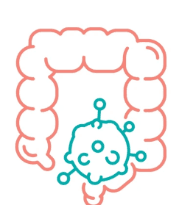
Gastrointestinal (GI) cancer refers to cancers affecting the digestive system. Two common types are:
- Colon cancer: The colon is the first and longest part of the large bowel (large intestine). Colon cancer happens when cells in the colon grow and divide in an uncontrolled wayIt is sometimes called colorectal cancer when the rectum is also involvedThe colon is about 5 feet long and has 4 main parts: Ascending colon Transverse colon Descending colon Sigmoid colon Cancer can develop in any part of the colon.
- Colon cancer happens when cells in the colon grow and divide in an uncontrolled way
- It is sometimes called colorectal cancer when the rectum is also involved
- The colon is about 5 feet long and has 4 main parts:
- Ascending colon
- Transverse colon
- Descending colon
- Sigmoid colon
- Cancer can develop in any part of the colon.
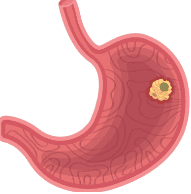
- Stomach cancer (gastric cancer): Stomach cancer is when cells in the stomach start to grow and divide in an uncontrolled way. It is also called gastric cancerThese abnormal cells may form a lump (tumour) and can spread to nearby tissues or other parts of the body if not treated early
- These abnormal cells may form a lump (tumour) and can spread to nearby tissues or other parts of the body if not treated early
Common symptoms
Symptoms of colon cancer may include:
- Changes in stool habits, such as diarrhoea or constipation
- Passing stools more or less often than usual
- Blood in the stools
- Bleeding from the back passage
- Feeling that the colon does not empty completely
- Tummy pain or discomfort
- Bloating or swelling in the tummy
- Unexplained weight loss
- Feeling very tired or short of breath due to anaemia
Symptoms of stomach cancer may include:
- Acidity
- Persistent indigestion
- Excessive burping
- Feeling full quickly
- Difficulty eating
- Weight loss
- Nausea or vomiting
- Pain at the top of your tummy
- Feeling tired
Which factors increase the risk of colon or stomach cancer?
Factors that may increase the risk of colon cancer include:
- Increasing age (over 50 years)
- Family history of bowel cancer
- Small growths in the bowel (polyps)
- Smoking and alcohol use
- Overweight
- Low-fibre diet
- Long-term conditions that cause swelling or irritation in the colon (Inflammatory bowel disease)
Factors that may increase the risk of stomach cancer include:
- Increasing age (over 50 years)
- Male gender
- Long-term Helicobacter pylori (H. pylori) infection (a bacterial infection in the stomach)
- Long-term stomach problems such as frequent acidity or swelling of the stomach lining (gastritis)
- Family history of stomach cancer
- Smoking
- High-salt diet
- Low- fibre diet
What are the treatment options for GI cancer?
Treatment depends on the type of cancer and how far it has spread. Some patients may need more than one type of treatment.
Common treatments include:
- Surgery: Removal of the cancer through an operation
- Chemotherapy: Medicines used to destroy cancer cells
- Targeted therapy: Targeted medicines kill cancer cells or stop them growing as quickly
- Immunotherapy: Medicines used to assist immune system to kill cancer cells
Colectomy
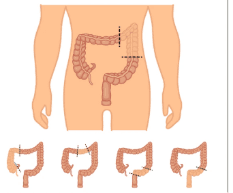
What is colectomy?
- A colectomy is an operation to remove part or all of the colon (large intestine)
- It is commonly performed to treat colon cancer
Types of colectomy are:
- Total colectomy: Removal of the entire colon
- Partial colectomy: Removal of the affected part of the colon
- Hemicolectomy: Removal of one side of the colon
- Proctocolectomy: Removal of the colon and the back passage
- Proctosigmoidectomy: Removal of the lower part of the colon and sometimes part of the back passage (rectum)
- Sigmoid colectomy (sigmoidectomy): Removal of the lower curved part of the colon (sigmoid colon)
How is colectomy performed?
Colectomy is done in the following manner:
- You will be given general anaesthesia so you will be asleep during the surgery
- The surgery may be performed using: Open surgery: One large cut is made in the tummy Laparoscopic (keyhole) surgery: A few small cuts are made in the tummy
- Open surgery: One large cut is made in the tummy
- Laparoscopic (keyhole) surgery: A few small cuts are made in the tummy
- The affected part of the colon is removed
- The healthy ends of the colon are usually joined together
- Some patients may need a temporary or permanent opening on the tummy (stoma) connected to a bag to collect waste if the colon cannot be rejoined
- The cuts are closed with stitches or staples
- The surgery may take one to four hours depending on the type of procedure
Gastrectomy
What is gastrectomy?
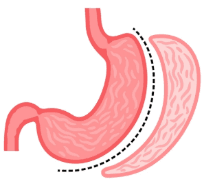
- Gastrectomy is an operation to remove a part or all of the stomach
- It is commonly performed to treat stomach cancer
- The remaining stomach or food pipe (oesophagus) is joined to the small intestine so food can continue to pass through the digestive system
Types of gastrectomy are:
- Partial gastrectomy: Removal of part of the stomach
- Total gastrectomy – removal of the whole stomach
Nearby small structures that help fight infection and filter harmful cells (lymph nodes) may also be removed to reduce the risk of cancer spread
How is gastrectomy performed?
Gastrectomy is performed in the following manner:
- You will be given general anaesthesia so you will be asleep during the surgery
- The surgery may be performed using: Open surgery: One large cut is made in the tummy Laparoscopic (keyhole) surgery: A few small cuts are made in the tummy
- Open surgery: One large cut is made in the tummy
- Laparoscopic (keyhole) surgery: A few small cuts are made in the tummy
- The surgeon removes part or all of the stomach
- Nearby glands may also be removed to check if the cancer has spread
- The remaining stomach or food pipe (oesophagus) is joined to the small intestine so food can continue to pass through the digestive system
- Some patients may need a feeding tube for a short time during recovery
- The cuts are closed with stitches or staples
- The surgery may take around 3–5 hours depending on the type of procedure
Before colectomy and gastrectomy
You may need:
- Blood tests –to check your overall health
- Computed tomography (CT) or Magnetic resonance imaging (MRI) scans – to look at the cancer in detail
- Endoscopy or colonoscopy – to examine the stomach or colon using a thin flexible tube with a camera
- Heart assessment tests – to check if your heart is fit for surgery
- Review of regular medicines – to check which medicines should be continued or stopped before surgery
- Fasting before surgery – you may be asked not to eat or drink for a few hours before the operation
Your doctor will explain the procedure and ask for consent before surgery
Possible risks and complications
Possible complications post colectomy may include:
- Leakage from the area where the colon is rejoined
- Bleeding
- Infection
- Injury to nearby organs
Complications unique to gastrectomy include:
- Leakage from the area where the stomach is rejoined
- Acid or digestive juices flowing back into the food pipe
- Food moving too quickly into the intestine, causing nausea, bloating or diarrhoea
- Difficulty getting enough nutrition or weight loss
- Slow digestion causing bloating, nausea or vomiting
- Narrowing where the digestive system is reconnected
- Pain or blockage in the intestine due to internal swelling or twisting
Most patients recover well with proper treatment and follow-up care.
After surgery
Hospital stay
After surgery, you may stay in hospital for up to 2 weeks.
You may receive:
- Pain relief medicines
- IV fluids
- A urinary catheter for a short time
- Soft or liquid diet through an IV or catheter
- Support to start walking early
Recovery at home
Recovery may take around 8 weeks depending on the surgery and overall health.
During recovery:
- Avoid heavy lifting
- Eat small healthy meals
- Walk regularly as advised
- Take medicines as prescribed
- Attend follow-up appointments
- Patients after gastrectomy may need nutritional supplements or vitamin B12 injections
Follow-up care
Regular follow-up visits are important after surgery. These visits may include:
Physical examination
Blood tests
Imaging scans
Review of symptoms and nutrition
Follow-up helps monitor recovery and detect recurrence if it occurs.

Myths and facts
Myth 1: Colon or stomach cancer only affects older people.
Fact: Although the risk increases with age, younger adults can also develop these cancers.
Myth 2: Colon surgery always means a permanent bag on the tummy.
Fact: Many patients do not need a permanent stoma. Some may only need it for a short time during healing.
Myth 3: Stomach cancer always causes severe symptoms early.
Fact: Early stomach cancer may cause mild symptoms such as acidity or indigestion, which can get ignored.
Myth 4: You cannot eat normally after gastrectomy.
Fact: Most patients gradually return to eating small regular meals after recovery.
Myth 5: Complete bed rest is needed after surgery.
Fact: Gentle walking and movement are encouraged to support recovery and reduce complications.

FAQs
How long does recovery take after colectomy or gastrectomy?
Recovery may take around 6–8 weeks depending on the type of surgery and overall health.
Will I need chemotherapy after surgery?
Some patients may need chemotherapy after surgery to help destroy remaining cancer cells or reduce the risk of cancer returning.
Will I be able to eat normally after surgery?
Most patients can eat normally over time, although smaller and more frequent meals may be needed initially.
What is a stoma?
A stoma is an opening on the tummy connected to a bag to collect waste when the colon cannot be rejoined immediately.
When should I contact my doctor after surgery?
Contact your doctor if you develop fever, severe pain, vomiting, bleeding, breathing difficulty or problems with wound healing.
Speak to a cancer care specialist
Get an expert opinion and a personalised treatment plan at Sterling Hospitals.


