

What is Ovarian Cancer?
What is Ovarian Cancer?
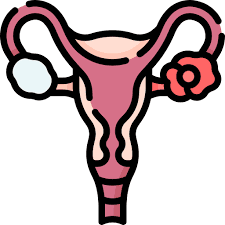
Ovarian cancer is a disease where abnormal cells grow in one or both ovaries in an uncontrolled way. The ovaries are part of the female reproductive system and are responsible for producing eggs and hormones. It is the fifth most common cancer among women. Ovarian cancer is often called a “silent disease” because symptoms may be mild or unclear in early stages.
Who is commonly affected?
Ovarian cancer can affect women of any age, but it is more common in:
- Women over 50 years
- Post-menopausal women
- Women with family history of ovarian or breast cancer
- Women with genetic mutations (BRCA1 or BRCA2)
According to the World Health Organization (WHO), ovarian cancer is one of the most common gynecological cancers worldwide, with hundreds of thousands of new cases each year.About 18 out of every 100,000 people in India have ovarian cancer.
Why it Happens
The exact cause of ovarian cancer is not always known. It develops when genetic changes cause normal cells to grow uncontrollably.
Common risk factors include:
- Increasing age
- Family history of ovarian or breast cancer
- Genetic mutations (BRCA1, BRCA2)
- Hormonal factors (long-term hormone exposure)
- Never being pregnant
- Endometriosis
- Obesity
Some protective factors may include pregnancy, breastfeeding, and use of certain hormonal contraceptives.
Signs and Symptoms
Because ovaries are located deep inside the body, early tumors may not cause obvious symptoms. Ovarian cancer symptoms are often vague and may be mistaken for digestive or common health problems.
Common symptoms
- Bloating or swelling in abdomen
- Feeling full quickly while eating
- Abdominal or pelvic pain
- Frequent urination
- Fatigue
- Indigestion or upset stomach
- Changes in bowel habits
Warning signs needing medical attention
- Persistent bloating lasting weeks
- Unexplained weight loss
- Severe abdominal pain
- Difficulty eating or feeling full very quickly
- Abnormal vaginal bleeding (less common but important)
If symptoms are new, persistent, and worsening, they should be evaluated by a doctor.
Diagnosis and Investigations
Doctors use a combination of examination, blood tests, and imaging to diagnose ovarian cancer.
Common tests
- Pelvic Examination: Doctor checks for swelling or lumps in the pelvic area.
- Ultrasound (Pelvic / Transvaginal): Uses sound waves to look at the ovaries and detect masses.
- Blood Test (CA-125): Measures a protein that may be higher in ovarian cancer.
- CT Scan / MRI: Helps see size, spread, and location of tumor.
- Biopsy / Surgery: A small tissue sample is examined under a microscope to confirm cancer.
Treatment Options
Treatment depends on cancer type, stage, and patient health.
Surgery
Surgery is often the first treatment and may include:

- Removal of one or both ovaries
- Removal of uterus and nearby tissues (in advanced cases)
- Tumor removal to reduce cancer load
Chemotherapy
Uses medicines to kill cancer cells and may be given:
- After surgery
- Before surgery (to shrink tumor)
- In advanced disease
Targeted Therapy
Medicines that specifically attack cancer cell changes, such as:
- PARP inhibitors (used in BRCA-related cancers)
Hormone and Other Therapies
Used in selected cases depending on tumor type.
Supportive Care
Helps manage symptoms like pain, nausea, and fatigue.
Treatment goal
- Early stage: Cure is possible
- Advanced stage: Control disease, improve survival and quality of life
Living with Ovarian Cancer
Daily Self-care Tips
- Eat balanced nutritious meals
- Stay hydrated
- Manage fatigue with rest and activity balance
- Take medicines as prescribed
- Attend all follow-up visits
Emotional Support
A cancer diagnosis can be emotionally challenging. Support from:
- Family
- Counseling services
- Support groups can help improve mental well-being.
Long-term Care
Patients need regular follow-up to:
- Monitor recurrence
- Track CA-125 levels (if applicable)
- Check imaging reports
Myths and Facts
Ovarian cancer always causes early symptoms
Early symptoms are often vague or absent
Only older women get ovarian cancer
Risk increases with age but younger women can also be affected
A normal Pap smear detects ovarian cancer
Pap smear does not screen for ovarian cancer
Family history always means you will get it
It increases risk but does not guarantee disease
Frequently Asked Questions (FAQs)
Can ovarian cancer be cured?
Yes, especially if detected early. Advanced stages can still be treated effectively.
Is ovarian cancer hereditary?
Some cases are linked to genetic mutations like BRCA1 and BRCA2.
Is CA-125 test enough for diagnosis?
No. It is used along with imaging and biopsy.
Does removing ovaries prevent cancer?
In high-risk women, preventive surgery may reduce risk significantly.
Can ovarian cancer come back?
Yes, in some cases it may recur and require further treatment.
Speak to a cancer care specialist
Get an expert opinion and a personalised treatment plan at Sterling Hospitals.


