

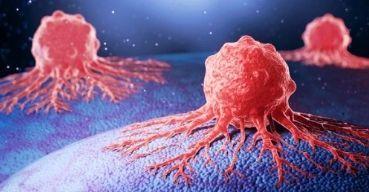
Cancer is a disease in which some body cells grow abnormally and do not stop growing when they should. These cells can spread to other parts of the body if not treated. Early detection and advanced treatments can help cure many cancers and improve survival.
Overview of the Condition
Explain cancer and its types?
Cancer is a disease in which some body cells grow abnormally and do not stop growing when they should. These cells can spread to other parts of the body if not treated. Early detection and advanced treatments can help cure many cancers and improve survival.
- Prostate cancer: Cancer that develops in the prostate gland in men and may affect urination and reproductive health
- Gynecologic cancer: Cancers that affect the female reproductive organs such as the uterus, ovaries, cervix, or endometrium
- Colorectal cancer: Cancer that starts in the colon or rectum, usually affecting the digestive system and bowel movements
- Kidney cancers: Cancers that affect the urinary system, including the kidneys that filter blood and the bladder that stores urine
- Lung cancers: Cancers that develop in the lungs or chest area and can affect breathing and overall lung function
Why is it important?
Early detection of cancer is important because it increases the chances of successful treatment, prevents the cancer from spreading, and helps improve survival and recovery outcomes. Statistics estimate that approximately 1 in every 9 people may develop cancer during their lifetime, considering all cancer types in both men and women.
Who is commonly affected?
- Slightly more common in men than women
- Most commonly affects people above 60 years of age
Causes / Why It Happens
Cancer occurs when certain body cells develop genetic changes and start growing uncontrollably. These abnormal cells can form tumors and may spread to other parts of the body. While some cancers are inherited, most develop over time due to age, lifestyle, environmental factors, or other risk factors.
Risk factors
Common risk factors include:
- Family history of cancer
- Smoking or tobacco use
- Exposure to harmful chemicals or radiation
- Unhealthy diet and lack of exercise
- Obesity
- Excessive alcohol consumption
- Certain infections and hormonal changes
- Long-term sun/UV exposure
Symptoms
Common symptoms include:
- Unexplained weight loss
- Tiredness or weakness
- Fever or night sweats
- Loss of appetite
- Persistent pain
- Changes in skin or moles
- New lump or swelling
- Blood in urine or stool
- Coughing up blood
Treatment Options (Before Procedure)
- Chemotherapy: Uses medicines to destroy cancer cells
- Radiation therapy: Uses high-energy rays to kill cancer cells
- Immunotherapy: Helps the body’s immune system fight cancer
- Targeted therapy: Targets specific cancer cells while reducing damage to normal cells
Procedures
Robotic onco surgery: Uses advanced robotic technology to remove tumors with greater precision through small cuts, helping patients recover faster with less pain and fewer complications.
Different types of robotic surgeries include:
- Robotic Prostatectomy: Robotic surgery to remove the prostate gland affected by cancer
- Robotic Hysterectomy: Robotic surgery to remove the uterus and related organs affected by cancer
- Robotic Head and Neck Resections: Robotic surgery to remove cancer from the mouth, throat, or neck area
- Robotic GI Resections: Robotic surgery to remove cancer from the digestive system such as the stomach, colon, or rectum
Procedure Overview and Preparation
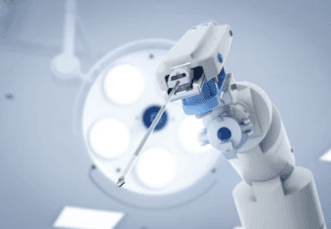
What is robotic onco surgery and why is it done?
It helps reduce pain, blood loss, scars, and recovery time compared to traditional open surgery.
Before the Procedure
Preparation guidelines
- Complete all required tests before surgery
- Stop blood thinners or certain medicines as advised by your doctor
- Follow bowel preparation instructions if needed
- Do not eat or drink for 6–8 hours before surgery
- Wear loose, comfortable clothes and avoid bringing valuables
- Arrive at the hospital on time as instructed by your healthcare team
Procedure Overview
Step-by-step
- You will be prepared for surgery and given anesthesia so you do not feel pain
- Small instruments and a camera are inserted through tiny cuts
- The surgeon controls robotic arms from a computer console with a clear 3D view of the surgical area
- The robotic system helps perform the surgery with high precision and accuracy
Time required
- 2-6 hours
Risks, Benefits and Hospital Stay
Risks and Complications
- In some cases, the surgeon may need to switch to open surgery during the procedure
- Possible risks include bleeding, infection, blood clots, or anesthesia-related complications
- Some procedures may take slightly longer due to robotic system setup
Benefits and Expected Outcomes
- Robotic surgery is safe and highly precise for many cancer procedures
- It uses smaller cuts, causing less pain, blood loss, and scarring
- Patients usually recover faster and may have a shorter hospital stay
- The surgeon gets a better 3D view and improved control during surgery
Duration of Hospital Stay
- 2-5 days depending on the surgery and procedure
Recovery, Lifestyle and Follow-up
Recovery and Aftercare
- Patients are encouraged to walk early, maintain hydration, and follow wound-care instructions
Recovery Timeline
- 4-8 weeks
Lifestyle and Prevention
Long-term care
- Recovery after robotic surgery is usually faster and less painful
- Patients may need rest, diet changes, and to avoid heavy lifting for some time
- Regular follow-up visits help monitor healing and recovery progress
When to Contact a Doctor
Seek immediate medical attention if you experience:
- High fever
- Excessive bleeding
- Severe pain
- Difficulty breathing
- Persistent vomiting
- Redness or discharge from wounds
Follow-up
Regular follow-up appointments are important to monitor recovery and detect recurrence early
Typical follow-up includes:
- Physical examination
- Blood investigations
- Imaging scans
- Cancer marker monitoring
Myths and Facts
Myth 1: Robots perform the surgery on their own.
Fact: The surgeon controls the robotic system throughout the procedure.
Myth 2: Robotic surgery is unsafe or experimental.
Fact: Robotic surgery is a safe and widely used technique when performed by trained surgeons.
Myth 3: Robotic surgery is only done for complex cancers.
Fact: Robotic surgery can be used for both simple and complex cancer procedures.
Myth 4: The only benefit of robotic surgery is smaller scars.
Fact: Robotic surgery also offers less pain, reduced blood loss, faster recovery, and shorter hospital stay.
FAQs
Is robotic surgery safe?
Yes, robotic surgery is generally safe and highly precise when performed by experienced surgeons.
Will I have large scars after robotic surgery?
No, robotic surgery uses very small cuts, which usually result in minimal scarring.
Is recovery faster after robotic surgery?
Yes, most patients recover faster with less pain and shorter hospital stays compared to open surgery.
Can all cancers be treated with robotic surgery?
No, suitability depends on the type, stage, and location of the cancer, as decided by the surgeon.
Speak to a cancer care specialist
Get an expert opinion and a personalised treatment plan at Sterling Hospitals.


