

What is Esophageal Cancer?
What is Esophageal Cancer?
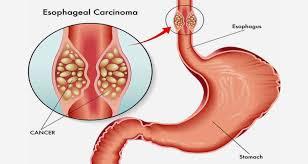
Esophageal cancer is a disease in which abnormal cells grow in the esophagus (food pipe). The esophagus is the tube that carries food and liquids from the mouth to the stomach.
The two main types are:
- Squamous cell carcinoma
- Adenocarcinoma
Why is this condition important?
Esophageal cancer can affect swallowing, nutrition, and overall health. If not diagnosed early, the cancer may grow deeper into the food pipe or spread to other parts of the body.
Early diagnosis and treatment can cure the disease.
Who is commonly affected?
Esophageal cancer is more common in:
- Adults over 50 years
- Men
- Smokers
- People who consume alcohol heavily
- Individuals with long-term acid reflux
- People with obesity
According to the World Health Organization (WHO), esophageal cancer is among the common cancers globally and remains a major cause of cancer-related deaths in many countries.It is the 5 most common cancers in India with around 5% of the population affected by it.
Why it Happens
Esophageal cancer develops due to long-term damage to the cells lining the food pipe.
Common risk factors include:
- Tobacco use
- Heavy alcohol consumption
- Long-standing acid reflux (GERD)
- Barrett’s esophagus
- Obesity
- Increasing age
Signs and Symptoms
Symptoms often develop gradually and may become more noticeable over time.
Common symptoms
- Difficulty swallowing
- Unintentional weight loss
- Chest discomfort or pain
- Heartburn or acid reflux
- Hoarseness
Warning signs needing medical attention
- Progressive difficulty swallowing
- Vomiting blood
- Black stools
- Severe weight loss
- Persistent chest pain
These symptoms should not be ignored, especially if they continue for several weeks.
Diagnosis and Investigations
Doctors use several tests to diagnose esophageal cancer and determine its stage.
Common tests
- Endoscopy: A thin flexible tube with a camera is passed through the mouth to examine the food pipe.
- Biopsy: A small tissue sample is taken during endoscopy and checked under a microscope to confirm cancer.
- CT Scan: Helps determine whether cancer has spread to nearby organs or lymph nodes.
- PET Scan: May help detect cancer spread in other parts of the body.
- Endoscopic Ultrasound (EUS): Uses ultrasound during endoscopy to assess tumor depth and nearby lymph nodes.
What patients should expect
Most tests are performed as outpatient procedures. Sedation may be used during endoscopy to improve comfort.
The results help doctors plan the best treatment approach.
Treatment Options
Treatment depends on cancer stage, tumor location and overall patient health.
- Surgery: Surgery may involve removing part or most of the affected esophagus. This procedure is called esophagectomy. The stomach may be reshaped to help swallowing after surgery.
- Chemotherapy: Uses medicines to kill cancer cells and may be given before surgery, after surgery or along with radiation therapy.
- Radiation Therapy: Uses high-energy rays to destroy cancer cells and shrink tumors.
- Targeted Therapy and Immunotherapy: Some patients may benefit from advanced medicines that target cancer cells or help the immune system fight cancer.
- Supportive Care: Treatment may also focus on improving swallowing, pain control and nutritional support
Living with Esophageal Cancer
Nutrition and Eating Support
Patients may need:
- Soft or semi-solid foods
- Small frequent meals
- High-protein nutritional support
- Dietitian guidance
Maintaining nutrition is very important during treatment.
Emotional and Mental Health
Cancer diagnosis and treatment can cause stress and anxiety. Emotional support and counseling may help patients and families cope better.
Long-term Follow-up
Regular follow-up visits help:
- Monitor recovery
- Detect recurrence early
- Manage treatment side effects
Myths and Facts
Acid reflux is always harmless
Long-term reflux can increase risk of esophageal cancer
Difficulty swallowing is normal with age
Persistent swallowing difficulty needs medical evaluation
Esophageal cancer only affects smokers
Non-smokers can also develop the disease
Surgery is the only treatment
Treatment may include chemotherapy, radiation, targeted therapy, or surgery
Frequently Asked Questions (FAQs)
Is esophageal cancer curable?
Early-stage esophageal cancer may be treated successfully, especially when diagnosed early.
Does acid reflux always lead to cancer?
No. Most people with acid reflux do not develop cancer, but long-term uncontrolled reflux may increase risk.
Will I be able to eat normally after treatment?
Many patients gradually return to eating with dietary adjustments and medical support.
Is surgery always required?
Not always. Treatment depends on cancer stage and patient condition.
Can esophageal cancer spread?
Yes. If untreated, it can spread to nearby organs or distant parts of the body.
Speak to a cancer care specialist
Get an expert opinion and a personalised treatment plan at Sterling Hospitals.


