

Immunotherapy is a treatment for cancer that helps the immune system recognise and fight cancer more effectively. Cancer cells can sometimes hide from the body’s natural defenses. Immunotherapy helps the body find, attack and destroy more cancer cells by…
What is immunotherapy?
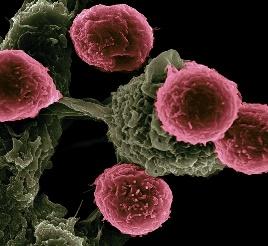
Immunotherapy is a treatment for cancer that helps the immune system recognise and fight cancer more effectively. Cancer cells can sometimes hide from the body’s natural defenses. Immunotherapy helps the body find, attack and destroy more cancer cells by strengthening the immune response.
Why is it important?
According to the World Health Organization (WHO), cancer is one of the leading causes of death worldwide and 1 in 6 deaths occurs due to cancer.
Immunotherapy is one of the most promising cancer treatments because it uses the body’s own immune system to fight cancer more effectively. By targeting cancer cells more precisely, it may help destroy tumours while causing less damage to healthy cells.
Why does cancer happen?
Some factors that increase cancer risk include:
- Smoking or tobacco use
- Alcohol consumption
- Obesity
- Lack of physical activity
- Certain infections
- Family history of cancer
- Exposure to harmful chemicals or radiation
- Increasing age
Common signs and symptoms of cancer
- Unexplained weight loss
- Persistent tiredness
- A lump or swelling
- Bleeding that does not stop
- Difficulty swallowing
- Persistent cough
- Changes in bowel or bladder habits
- Severe or long-lasting pain
Treatment options for cancer
Cancer treatment depends on the type and stage of the disease. Common treatments include:
- Surgery
- Radiation therapy
- Chemotherapy
- Immunotherapy
- Hormone therapy
- Targeted therapy
Who can receive immunotherapy?
- It is often recommended that when your cancer has certain features that are likely to respond well to immunotherapy, your doctor can identify them through testing
- Your doctor will also assess whether your immune system is strong enough to safely manage the treatment
Types of cancer immunotherapy
There are several types of immunotherapy used to treat cancer, which are as follows
- Monoclonal antibodies (mAbs): These are laboratory-made proteins that target specific parts of cancer cells
- CAR T-cell therapy: It changes certain immune cells in your blood so they can better find and attack cancer cells
- Tumor infiltrating lymphocytes (TILs): In this special white blood cells taken from a tumor are grown in a laboratory and returned to the body to help destroy cancer
- Immune checkpoint inhibitors: They help remove the “brakes” on the immune system so it can recognise and fight cancer more effectively
- Cancer vaccines: These stimulate the immune system to attack certain cancers
- Cytokines: These are proteins that signal immune cells to help fight cancer
- Oncolytic virus therapy: It uses specially modified viruses to infect and kill cancer cells
- Immunomodulators: These strengthen parts of the immune system to help treat some cancers
Choosing the right immunotherapy
Choosing the most suitable immunotherapy, dose and treatment schedule is an important part of your care. Immunotherapy is sometimes called personalised medicine because people with the same type of cancer may respond differently depending on their biomarkers. Tests can help identify which treatment may work best for you.
In some cases, treatment plans are well established through research. In others, especially with certain cancer types or stages, there may be less information available.
Your cancer care team will consider many factors before recommending treatment, including:
- The type and subtype of cancer
- The stage of cancer, including its size and whether it has spread
- Biomarker and other test results
- Your age and overall health
- Current medications
- Other health conditions, such as heart, liver, kidney or autoimmune diseases
- Your treatment goals
Procedure overview and preparation
What to do before immunotherapy?
Before beginning immunotherapy, tell your doctor if you:
- Have an autoimmune condition
- Have had an organ or stem cell transplant
- Have breathing or lung problems
- Have liver disease
- Are you pregnant or planning to become pregnant
- Are you breastfeeding or planning to breastfeed
It is also important to share your full medical history, including any medicines you are taking or any recent changes to your medications.
What happens during immunotherapy?
Immunotherapy may be given by itself or together with other cancer treatments. It can be given daily, weekly, monthly or in treatment cycles. Treatment cycles include rest periods to help your body recover.
Immunotherapy may be given in different ways, such as:
- Intravenous (IV) infusion: Through a vein
- Oral treatment: As tablets or capsules taken by mouth
- Topical treatment: As a cream applied to the skin
- Injection: As an injection into the tumour or affected area
- Intravesical therapy: Given directly into the bladder for some bladder cancers
Potential benefits of immunotherapy
Immunotherapy may not cure all cancers, but it can help some people live longer and improve disease control. Doctors often recommend it for cancers that have spread, returned after treatment or not responded to other therapies. Unlike chemotherapy, immunotherapy works by helping the body’s own immune system recognise and attack cancer cells, rather than directly using toxic drugs to destroy them. Because of this, it may cause less damage to healthy cells and fewer side effects in some patients.
Side effects of immunotherapy
Immunotherapy can cause side effects that are different from other cancer treatments because it works by activating the body’s immune system to fight cancer.
Side effects vary from person to person and depend on the type and dose of immunotherapy, the type and location of the cancer and your overall health.
Most side effects are mild, but some can be serious. Common side effects may include:
- Skin changes, such as a rash
- Tiredness
- Nausea, vomiting, or diarrhoea
- Hormone or thyroid changes
- Flu-like symptoms, including fever, chills and muscle aches
- Cytokine release syndrome (a strong immune reaction that can cause fever and flu-like symptoms)
- Nervous system side effects
- Colitis (Swelling of the bowel)
Sometimes, immunotherapy can cause the immune system to attack healthy parts of the body, leading to immune-related side effects.
RecoveryTop of Form
Recovery after immunotherapy requires close monitoring by your healthcare team. Your doctors will regularly check for side effects and see how well the treatment is working. This is important because the immune system can react differently in each person and side effects may range from mild to serious. Your treatment may need to be adjusted depending on how your body responds. Recovery can take weeks or months as your immune system adapts and the effects of treatment become clearer. Regular follow-up visits and tests help ensure the best possible results and allow any complications to be managed early.
FAQs
What is the difference between immunotherapy and chemotherapy?
Answer: The main difference between immunotherapy and chemotherapy is how they fight cancer. Immunotherapy helps the body’s immune system recognise and attack cancer cells more effectively. Different types of immunotherapy work in different ways to strengthen the immune response. Chemotherapy, on the other hand, uses drugs that directly destroy fast-growing cancer cells. Because chemotherapy can also affect healthy cells, it may cause more widespread side effects.
At what stage of cancer is immunotherapy typically administered?
Answer: Immunotherapy can be used at different stages of cancer treatment, but it is often most helpful in advanced cancers or when other treatments have not worked well. It is now also being used earlier in the treatment of some cancers, such as melanoma and lung cancer, where it has shown good results.
Am I more at risk of getting infections while I’m having this treatment?
Answer: Immunotherapy does not usually increase your risk of infections . Instead of weakening the immune system, immunotherapy works by activating and strengthening your body’s natural defenses to help fight cancer. Bottom of Form
Speak to a cancer care specialist
Get an expert opinion and a personalised treatment plan at Sterling Hospitals.


