

A range of surgical procedures to treat conditions affecting the vertebrae, discs and spinal nerves.
What is spine surgery?
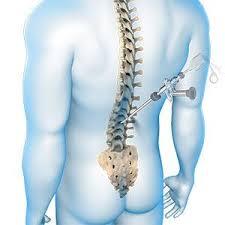
- Spine surgery is a procedure used to treat problems affecting the spine, spinal cord, or nerves
- It may help reduce pain, improve movement, restore stability, and improve quality of life.
- Surgery is usually considered only after non-surgical treatments have not provided enough relief
When might I need spine surgery?
- Spine surgery may be recommended if you have:
- Severe or long-lasting back or neck pain
- Pain spreading to the arms or legs
- Numbness, tingling, or weakness
- Difficulty walking or balancing
- Loss of bladder or bowel control
- Your doctor may suggest surgery if medicines, physiotherapy, or exercise are not helping enough
What conditions can spine surgery treat?
- Spine surgery may help treat:
- Slipped or herniated disc
- Spinal stenosis
- Spine fractures
- Scoliosis or abnormal spinal curvature
- Spinal instability
- Degenerative spine conditions
- Your surgeon will recommend the most suitable treatment based on your condition
What are the different types of spine surgeries?
- The type of spine surgery depends on your condition, symptoms, and overall spine health
- Common spine surgeries include:
- Discectomy: Removes part of a slipped or damaged disc pressing on nerves
- Laminectomy: Removes a small portion of bone to reduce pressure on nerves or the spinal cord
- Spinal Fusion: Joins two or more vertebrae to improve stability
- Kyphoplasty/Vertebroplasty: Treats certain spinal fractures
- Cervical Spine Surgery: Treats problems in the neck region of the spine
- Scoliosis Surgery: Corrects abnormal spinal curvature
- Tumor Surgery: Removes tumors affecting the spine
- Minimally Invasive Spine Surgery: Uses smaller incisions for faster recovery
- Your spine specialist will recommend the most suitable procedure based on your diagnosis and symptoms
What is minimally invasive spine surgery?

- Minimally invasive surgery uses smaller incisions than traditional surgery
- It may lead to:
- Less pain after surgery
- Reduced blood loss
- Smaller scars
- Faster recovery
- Shorter hospital stay
- Not every patient is suitable for this type of surgery
How should I prepare before surgery?
- Follow all instructions given by your healthcare team
- You may need:
- Medical tests and physical examination
- Blood tests or scans
- Changes to your medications
- Help arranged at home after surgery
- Stop smoking and alcohol if advised by your doctor
- Eat a healthy, protein-rich diet before surgery to support healing
Why is nutrition important before spine surgery?
- Good nutrition helps your body heal and recover better after surgery
- Protein-rich foods may help improve wound healing and muscle strength
- Examples include:
- Eggs
- Milk or yogurt
- Chicken or fish
- Beans and lentils
- Tofu and dairy products
- Tell your doctor if you are losing weight or eating less than usual
Can I eat or drink before surgery?
- Your doctor will give specific instructions about eating and drinking
- In most cases:
- No solid food after midnight before surgery
- Clear liquids may be allowed up to a few hours before surgery
- Follow your doctor’s advice carefully to reduce complications during anesthesia
Why is early walking important after surgery?
- Walking early after surgery helps:
- Improve blood circulation
- Reduce the risk of blood clots
- Improve muscle strength
- Support faster recovery
- Your nurse or therapist will help you walk safely after surgery
What are the risks of spine surgery?
- Like all surgeries, spine surgery may have some risks and complications
- Possible risks may include:
- Infection
- Bleeding
- Nerve injury
- Blood clots
- Ongoing pain or stiffness
- In rare cases, paralysis may occur because the surgery is performed close to the spinal cord and nerves
- Your surgeon will discuss the benefits and risks before surgery
How long does recovery take after spine surgery?
- Recovery time varies depending on:
- Type of surgery
- Your age and overall health
- Your activity level before surgery
- Some patients recover within a few weeks, while others may need several months
- Following rehabilitation and exercise advice is important for recovery
Will I need physiotherapy after surgery?
- Some patients may need physiotherapy to:
- Improve flexibility and strength
- Learn safe movement techniques
- Improve balance and walking
- Your healthcare team will guide you on the exercises that are safe for you
What should I avoid after spine surgery?
- Avoid:
- Heavy lifting
- Sudden twisting or bending
- Smoking and alcohol
- Skipping medicines or exercises advised by your doctor
- Follow all wound care and activity instructions carefully
When should I contact my doctor after surgery?
- Contact your healthcare provider if you notice:
- Fever
- Increased pain
- Redness or swelling around the wound
- Drainage from the surgical area
- Difficulty walking
- New numbness or weakness
- Early medical attention can help prevent complications
Myths & Facts
All back pain requires surgery
Most back pain improves with medicines, exercise, and physiotherapy
Spine surgery is always risky and unsafe
Modern spine surgery is generally safe when performed by experienced specialists
Recovery after spine surgery takes years
Many patients begin walking within a day after surgery and recover gradually over weeks to months
You cannot return to normal activities after spine surgery
Many patients return to work and daily activities with proper rehabilitation and recovery
Frequently Asked Questions
How long does recovery take after spine surgery?
Recovery time depends on the type of surgery and your overall health. Minimally invasive procedures may allow faster recovery, while traditional surgeries may require several weeks or months of healing and rehabilitation.
Is spine surgery painful?
Some discomfort after surgery is normal. Pain is usually managed with medications and gradually improves as healing progresses.
How will I know if I need spine surgery?
Your doctor may recommend surgery if treatments such as medicines, physiotherapy, exercise, or injections do not provide enough relief. Surgery may also be advised if symptoms affect movement, strength, or daily activities.
Will I need to stay in the hospital after spine surgery?
Hospital stay depends on the type of surgery and your recovery progress. Minimally invasive surgeries often require a shorter stay, while more complex procedures may need longer monitoring and care.
Speak to a neurology specialist
Get an expert opinion and a personalised treatment plan at Sterling Hospitals.